
What really happened at Voltaire’s estate in Ferney during the morning hours of 7 December 1765, and why was the Scottish philosopher Adam Smith notified of this incident just a few days later? Among Smith’s surviving correspondence from his grand tour years is a legal memorandum from Voltaire’s mistress, Madame Denis, dated 10-11 December 1765, and the first paragraph of her legal memo reports that five men were hunting on Voltaire’s private property a few days earlier:
Samedy 7e du mois, vers les onze heures du matin, les gardes chasses de Madame Denis, Dame de ferney, vinrent avertir que des gens du Village de Saconnex chassaient au nombre de cinq dans les allées du bois de ferney qui est fermé de trois portes, et qui fait partie des jardins du château de ferney.
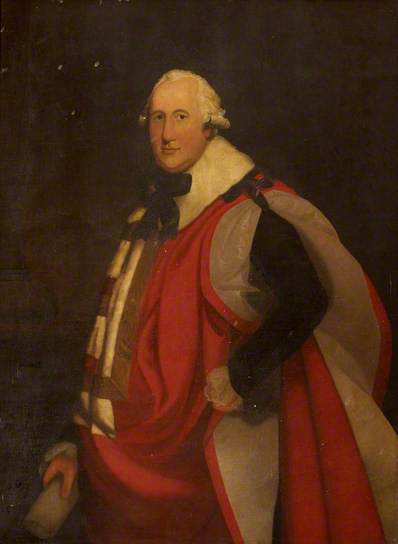
Next, Madame Denis identifies two of the five members of this Saturday-morning hunting party: Joseph Fillon, a carpenter who lived in a nearby village, and Charles Dillon (pictured below), who at the time was a young English aristocrat residing in Geneva as part of his Grand Tour and who later in life would become the 12th Viscount Dillon:
Joseph Fillon, charpentier, demeurant à Saconnez, a déposé aujourd’hui 10 Decembré devant le procureur fiscal, que c’était Monsieur Dillon qui était venu le prendre à Saconney, avec un soldat de la garnison de genêve pour le mener chasser avec lui à ferney. Que lui, Joseph Fillon, lui avait réprésenté que celà n’était pas permis; que Monsieur Dillon lui répondit que Madame Denis lui avait donné la permission et qu’il lui répondait de tout.
Furthermore, according to no less than four witnesses who overheard him, Mr Dillon was not only trespassing; he also threatened to burn down Voltaire’s house(!): “Quatre personnes ont déposés que Monsieur Dillon a dit en leur présence, qu’il mettrait le feu au château“. In addition, Madame Denis reports that Mr Dillon returned to the village of Ferney at midday two days later (9 Dec.) with four armed men carrying rifles and pistols, who then stormed Voltaire’s estate in search of one of his gamekeepers and threatened to capture him dead or alive:
Trois personnes ont déposé que Monsieur Dillon était venu à midy dans le village de fernex hier 9e du présent mois avec quatre personnes armées de fusils et de pistolets, qu’ils sont entrés chez le garde, qu’ils l’ont cherché chez lui et dans les maisons voisines et que Monsieur Dillon a dit en jurant qu’il l’aurait mort ou vif. Madame Denis fait juges de ces procédés tous les gentils hommes anglais qui sont à genêve.
But why did Charles Dillon threaten to set Voltaire’s house on fire in the first place (Saturday, Dec. 7), and why did he then round up the local carpenter (Joseph Fillon) as well as a guard from the Geneva barracks and return to Ferney two days later (Monday, Dec. 9)? What Madame Denis’s legal memorandum fails to disclose is Mr Dillon’s side of the story. She waits until almost the end of her memo to reveal the inciting incident, so to speak, the event that must have ignited Charles Dillon’s initial outburst of anger: someone had killed one of his hunting dogs.
More to the point, it appears Dillon had reason to believe that it was Voltaire’s hired gamekeeper who had killed his dog while he was out hunting on the morning of Saturday, Dec. 7. Although Madame Denis attempts to shift the blame for this canine crime from the gamekeeper to the local townspeople (“mais ce ne sont pas les gardes qui l’ont tué puisqu’il fut tué pendant que les gardes faisaient leur raport juridique, et qu’il le fut par les gens du village de ferney“), the killing of the bloodhound is not in dispute.
Either way, this act of aggression — the killing of one of Dillon’s hunting dogs on Saturday, 7 December — explains why the young English aristocrat decided to round up a local resident (the carpenter, Joseph Fillon) as well as a guard from the Geneva garrison (“un soldat de la garnison de genêve“) and return to Ferney on Monday, the 9th. But the $64 is, What does Adam Smith have to do with any of these events? Why did Madame Denis send him a copy of her legal memorandum? Rest assured, Alain Alcouffe and I will address these questions in our next post …







 prior probability
Pingback: Fracas at Ferney, part 3: the Adam Smith connection | prior probability
Pingback: Adam Smith and the Voltaire-Needham Affair | prior probability
Pingback: Adam Smith in Geneva: arrival | prior probability
Pingback: Adam Smith in Switzerland | prior probability