
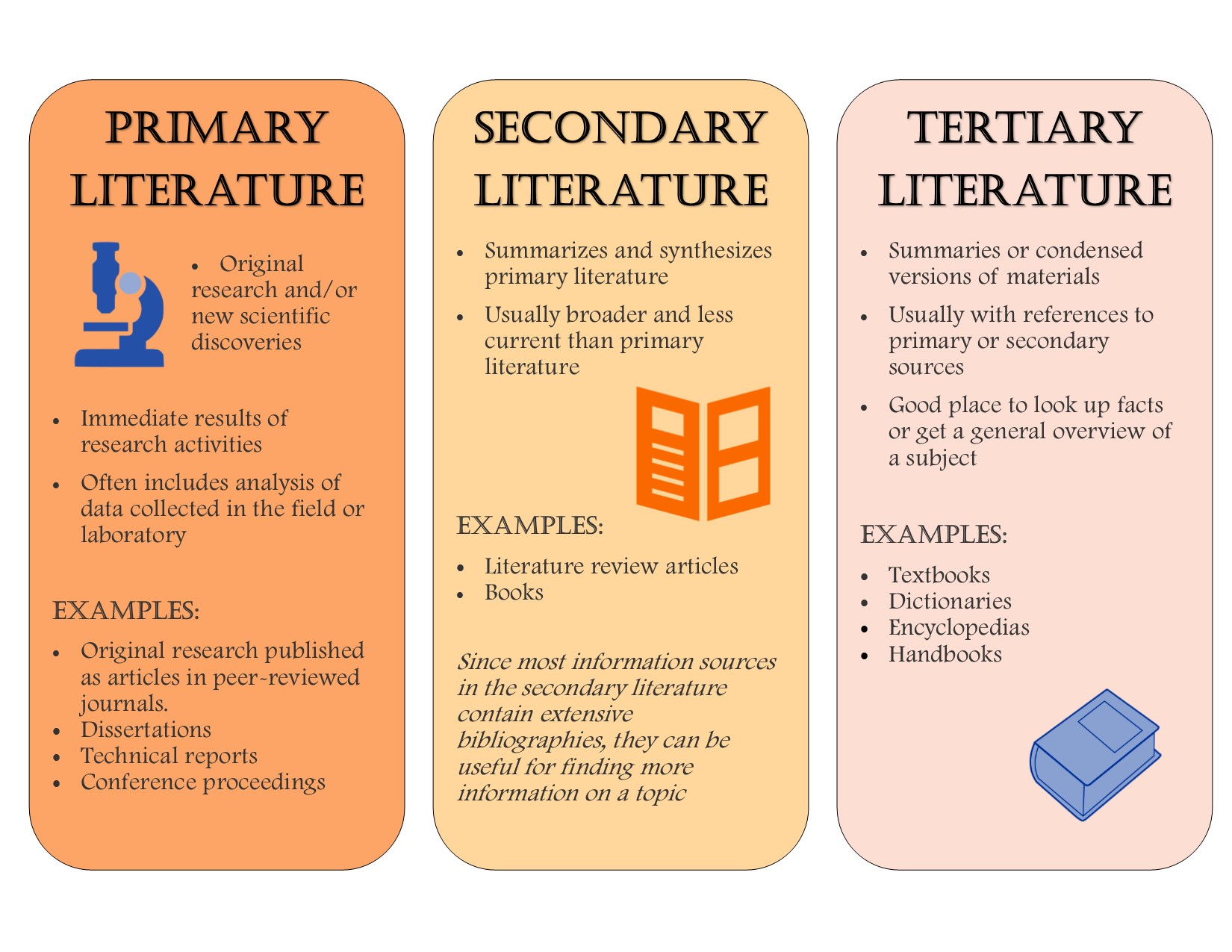
Last week, we surveyed David Hume’s influential argument against the possibility of miracles. (See here, here, and here.) This week, I want to offer my own take on Hume’s argument — the good, the bad, and the ugly — but before I do, I want to begin by making a full disclosure: I will for the most part avoid consulting or mentioning (except in today’s introductory post) any of secondary and even tertiary literature that already exists on this topic.
For starters, the scholarly literature is massive. A quick search for “Hume on miracles” in Google Scholar, for example, generates over 67,000 discrete entries! (Here, for example, is an early response to Hume by one William Adams.) So, what can I contribute to the problem of miracles? In a word, I will use my background knowledge and experience as a law professor — one with a deep interest in economics, history, and probability theory — to offer my own “legal proof” perspective on Hume’s argument.
In the meantime, below are some fairly recent scholarly works that students of Hume and the problem of miracles may wish to consult for future reference:
- ANTI-HUME: John Earman, Hume’s Abject Failure: The Argument Against Miracles, Oxford University Press (2000).
- PRO-HUME: Robert J. Fogelin, A Defense of Hume on Miracles, Princeton University Press (2003).
- FURTHER READING (HONORABLE MENTIONS): William L. Vanderburgh, David Hume on Miracles, Evidence, and Probability, Lexington Books (2019) and Peter Millican, Twenty Questions about Hume’s “Of Miracles”, Royal Institute of Philosophy Supplements, Vol. 68 (2011), pp. 151-192.










 prior probability
Pingback: Hume on miracles: the good | prior probability