
Act II, scene iii of David Hume in the Library of Babel
My previous post was about Borges’ paradox: although the Universal Library contains all possible books, including those books that have not yet been written, the probability of finding any particular book is close to zero.
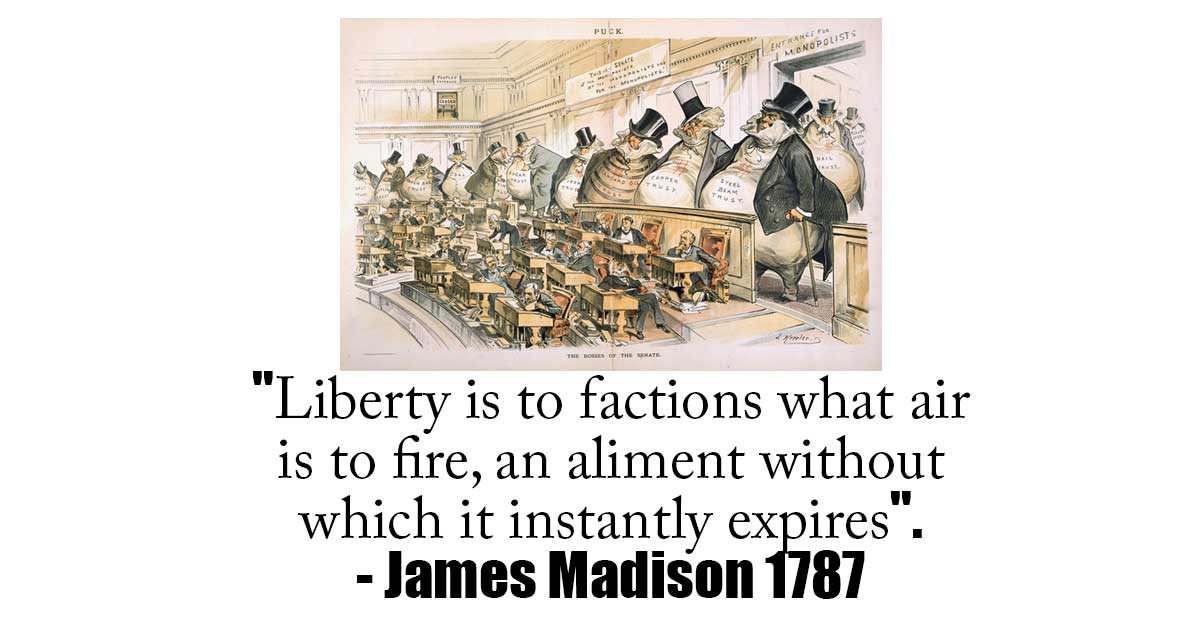
This cruel paradox, in turn, gives rise to three different literary factions in the imaginary world of The Library of Babel. One is the “inquisitors” or “official searchers” whose job it is to comb through the hexagons full of books with random combinations of letters and symbols in order to find those books that might have some meaning (Para. 9). But according to our unnamed narrator, the inquisitors have given up even the pretense of searching for the truth. Instead, they limit their investigations to detecting “disgraceful or dishonorable words” (ibid.).
Another faction consists of a now-defunct “blasphemous sect” whose members abandoned the search for those “precious books” altogether and instead tried to generate or recreate those mysterious texts for themselves using elaborate games of chance (Para. 10). But by trying to create their own holy grail, so to speak, these literary heretics were “feebly mimicking the divine disorder” (ibid.), i.e. committing the sin of blasphemy. Yet another faction was the so-called “Purifiers” (Para. 11). The Purifiers’ reaction to this general despair was “hygienic, ascetic rage” and “holy zeal.” In short, they “condemn[ed] entire walls of books,” thus causing the “senseless loss of millions of volumes” (ibid.).
Now, what about David Hume? What if Hume found himself in Borges’ Universal Library? Which of these three factions would he belong to? Wouldn’t Hume reject the excessive formality of the inquisitors, the pointless games of chance of defunct blasphemous sects, and the “hygienic, ascetic rage” and “holy zeal” of the Purifiers? Assuming, then, Hume that would rejects all three factions, what would Hume’s response to Borges’ paradox be? Stay tuned. I will turn to the last part of Borges’ “Library of Babel” in my next post …










 prior probability