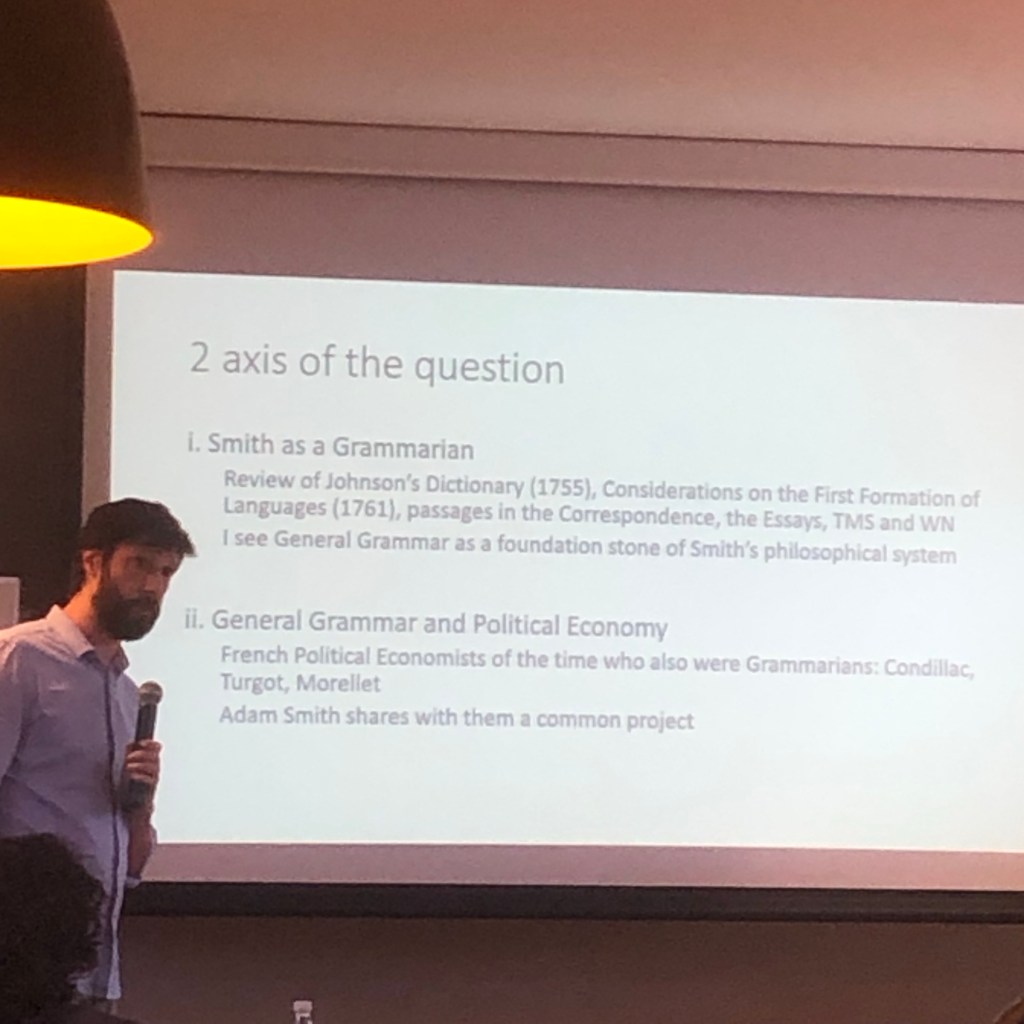
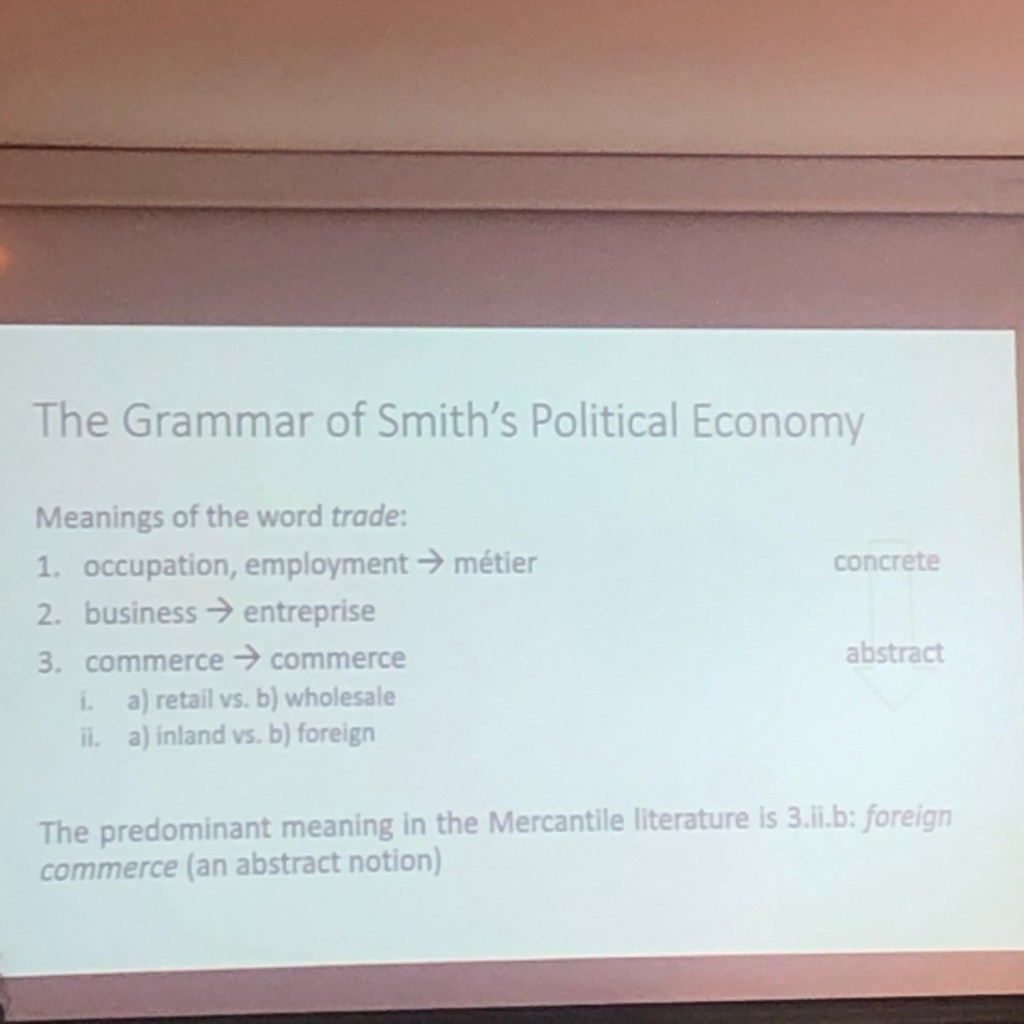
Hola! I am attending a workshop on Adam Smith for young Latin American scholars, and my favorite paper by far was one on “The Meanings of the Word ‘Trade'” by Leonardo André Paes Müller. His paper brought back memories of my favorite paper at the Adam Smith conference in Madison, Wisconsin in 2021: Sarah Skwire’s paper “As If: Clueless about the Invisible Hand.” (See here and here.) Below are two slides from Paes Müller’s talk:
This Chilean band combines rock music with traditional Chilean folk songs. Their name “Los Bunkers” pays tribute to their musical idols: The Beatles, The Kinks, Los Jokers, and Los Sonnys. (For an overview of the Chilean rock scene, see here.)
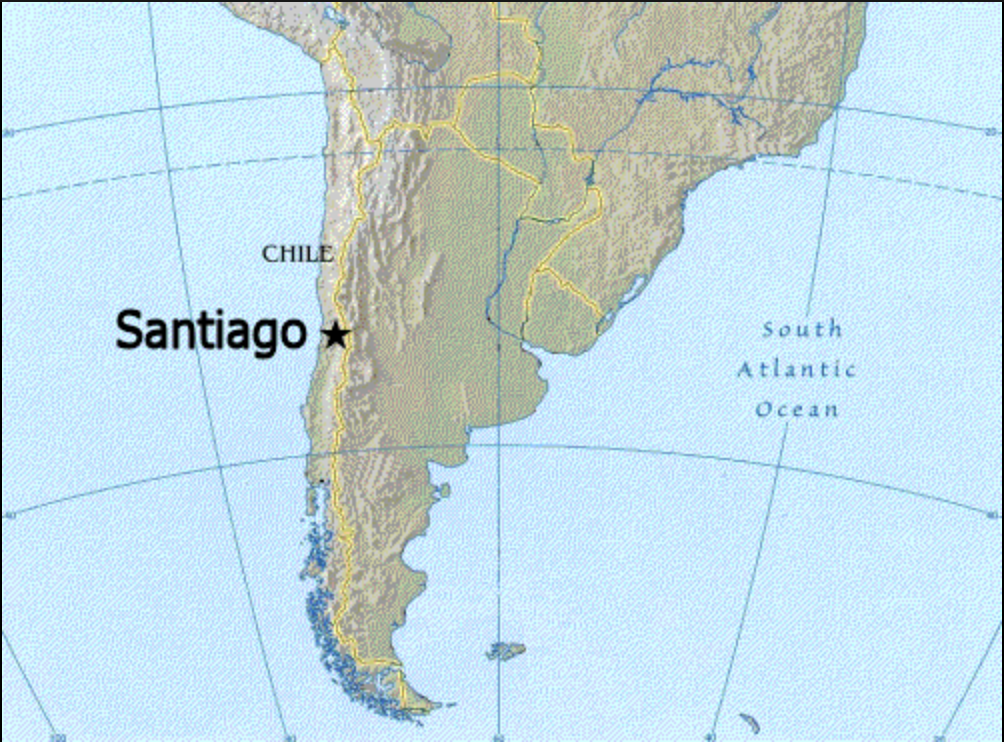
I will be travelling “down under” to Santiago de Chile later today to attend a “Young Latin American Scholars Workshop on Adam Smith” (see here), so I will be blogging more sporadically, if at all, in the days ahead.
Following up on my previous post, I want to explain as succinctly and cogently as possible why the so-called “effective altruism” movement is the biggest con since the Chicago Black Sox scandal of 1919. Put aside the fact that this movement cult has become the 21st-century equivalent of Rudyard Kipling’s “White Man’s Burden.” Even if we define “effective altruism” in the vaguest and most favorable light as “applying evidence and reason to finding the best ways to improve the world” (see here, for example), the reason why effective altruism is bullshit is because we already know–at least since the publication of The Wealth of Nations in 1776–what are the most effective ways of reducing poverty and improving living standards: the classical liberal principles of property rights and individual liberty, or in the immortal words of Adam Smith: “Little else is required to carry a state to the highest degree of opulence from the lowest barbarism, but peace, easy taxes, and a tolerable administration of justice; all the rest being brought about by the natural course of things.” Change my mind.
I just finished reading David Edmonds’s excellent biography of Derek Parfit (pictured below). My general takeaway from Edmonds is that Parfit’s willingness to embrace “effective altruism” (an intellectually bankrupt movement led by naïve or corrupt do-gooders of which I shall have more to say soon) will end up tarnishing the Oxford philosopher’s legacy. Be that as it may, two of my favorite sentences in the book appear on the bottom of page 328. The first sentence states: “Parfit, helpfully, had a folder on his computer in which he dropped all the files that could be useful for posthumous publications.”
The second sentence, however, reads: “Less helpfully, it is empty.”




























 prior probability