
Check out the beautiful song “Bobo” by Aya Nakamura (en français). Prendre plaisir!

Creative Commons
Blogs I Follow








Check out the beautiful song “Bobo” by Aya Nakamura (en français). Prendre plaisir!
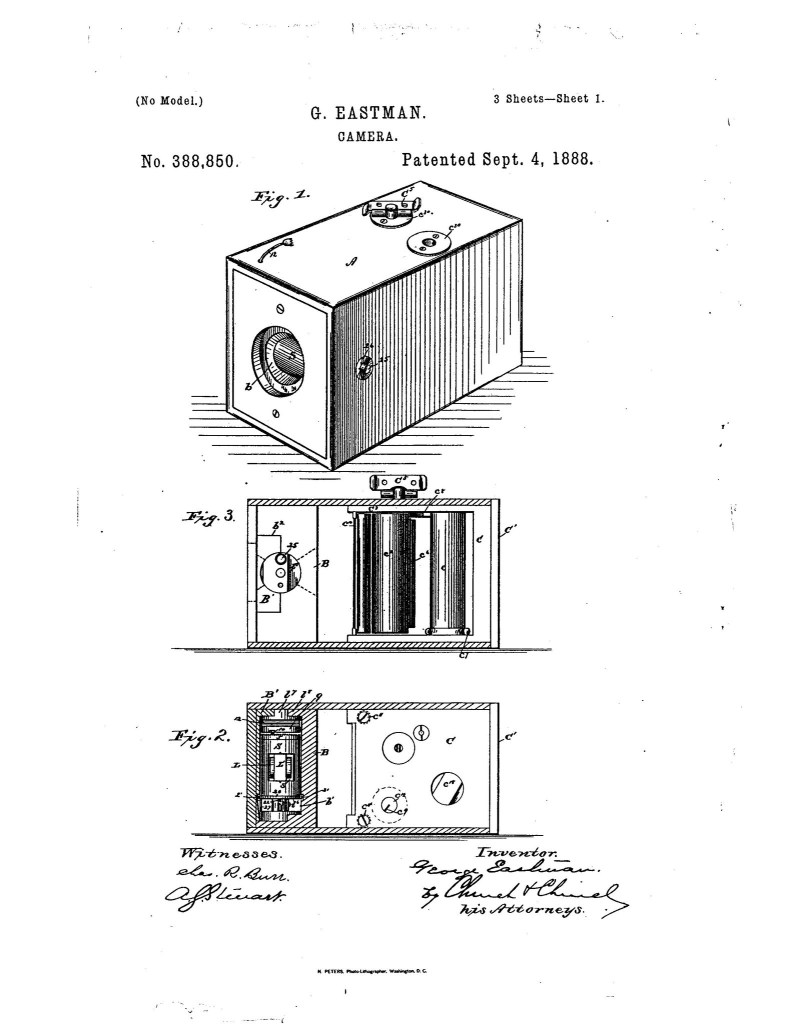
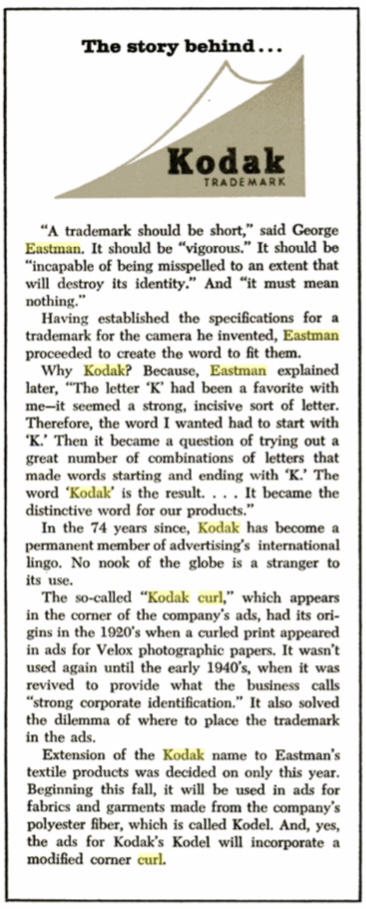
On this day (September 4) in 1888, North American entrepreneur George Eastman obtained a patent on his new camera (Patent No. 388,850), and the word “Kodak” was registered as a trademark (Reg. No. 15,825). Check out the evolution of the Kodak logo here. (P.S.: The oldest U.S. registered trademark still in use is this one (Reg. No. 11,210), which depicts the Biblical figure Samson wrestling a lion. That trademark was registered in 1884 by the J.P. Tolman Company.)

Via Universe Today, check out this scathing but excellent critique of NASA’s costly and obsolete Space Launch System (SLS), the centerpiece of today’s scheduled Artemis I mission (emphasis added by me): “The SLS system has provided plenty of jobs in some critical districts for certain influential members of Congress, and if the project happens to run a bit over budget to support those jobs, so be it. But to anyone who doesn’t directly benefit from the largesse sloshing around these rocketry contracts, it simply looks like the government is spending billions of dollars on a rocket that is already obsolete before it ever even leaves the ground. That is because the SLS has a huge weakness that hikes its single launch cost up into the billions – it is expendable. After launch, the main stage is lost to the ocean, never to be recovered. That is a stark contrast to another well-known launch system that happens to be run by a much more agile firm without a cost-plus contract. Starship has a potential payload capacity almost 30% larger than SLS’s – and it’s reusable, potentially bringing the cost per kilogram launched down to $10.”
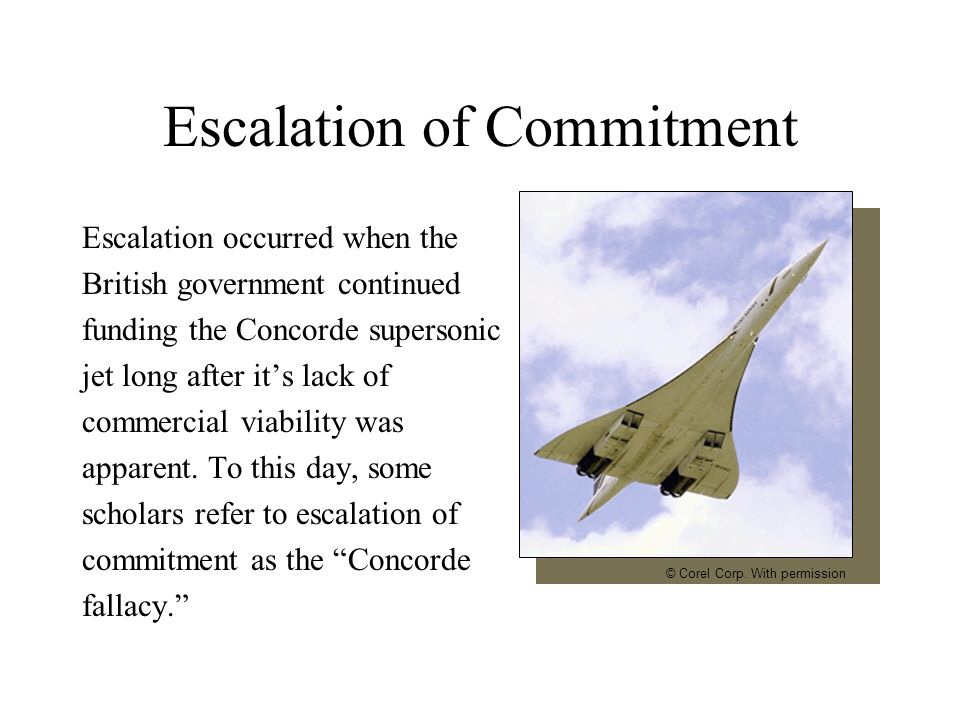
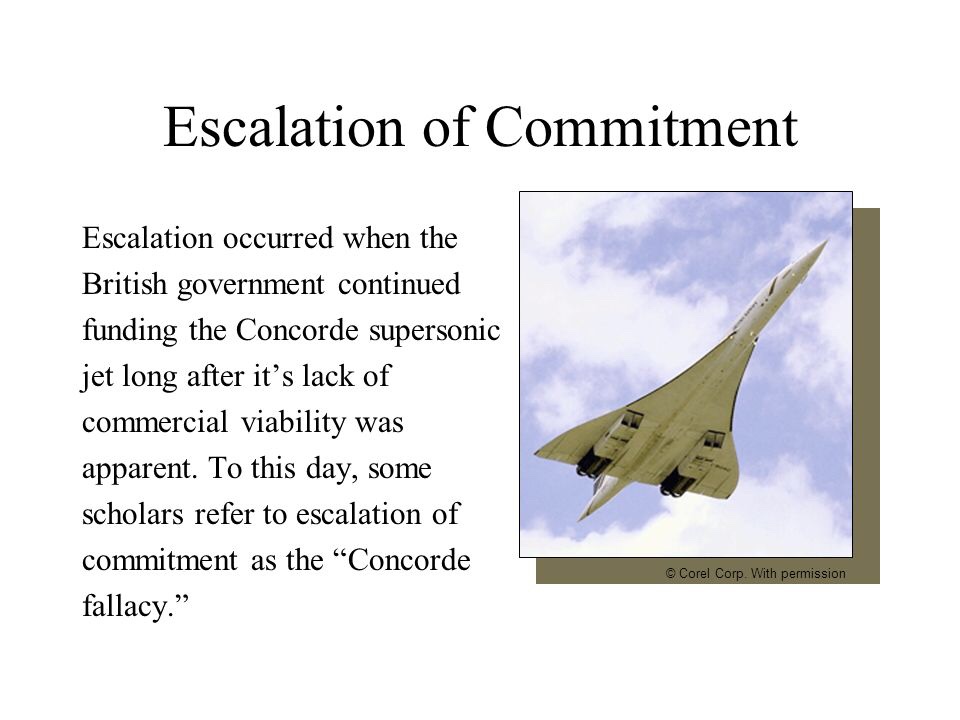
Evolutionary biologist Richard Dawkins once described the sunk cost fallacy as the “Concorde fallacy” (see below). In plain English, this fallacy can be summed up as follows: “Don’t cling to a mistake just because you have already spent a lot of time and money making it.” By way of example, check out this report by Michael Sheetz about NASA’s costly Artemis lunar mission. Among other things, NASA’s Inspector General Paul Martin is quoted as saying: “We found that the first four Artemis missions will each cost $4.1 billion per launch, a price tag that strikes us as unsustainable.” Perhaps we should now call it the Artemis fallacy.
The great Vin Scully died last month at the age of 94. I first fell in love with the voice of this legendary baseball commentator when I was growing up in Los Angeles. While my parents were in church, I would sneak away with my transitor radio to listen to his broadcast of Sunday afternoon Dodger baseball games. Although the video below is from before my time, it is considered Vin’s finest hour:
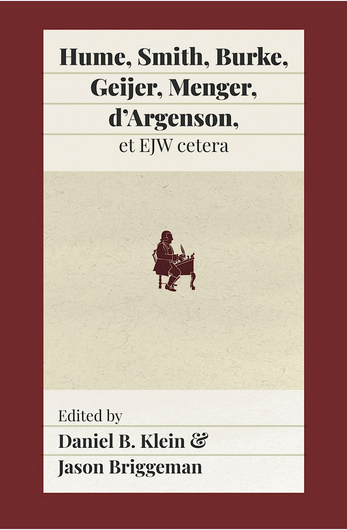
And further shout outs to Dan Klein and Jason Briggeman, the editors of a new collection of fourteen essays on various aspects of the classical liberal tradition, including essays by or about David Hume, Adam Smith, and Edmund Burke, among many others. (The entire collection of essays, which includes my 2021 work “Adam Smith in Love“, are available for free here, via the CL Press, and for purchase here, via Amazon.)
With respect to the arts (music, literature, film, etc.), my general rule of thumb is that the more famous an artist is, the more overrated he or she probably is, but that said, I have been proven totally wrong in the case of Taylor Swift. See, for example, her live performance of “All Too Well” on Saturday Night Live (posted below), which just blew me away. (I somehow missed her appearance on SNL last year; otherwise, I would have blogged about it sooner!) Yes, it’s the 10-minute version, but it is so good, you don’t want it to end.
I stumbled upon this intriguing infographic a few weeks ago and have been meaning to share it, so here it is! More details here, via @WallySierk.

Which one is your favorite?

Evolutionary biologist Richard Dawkins once described the sunk cost fallacy as the “Concorde fallacy” (see below). In plain English, this fallacy can be summed up as follows: “Don’t cling to a mistake just because you have already spent a lot of time and money making it.” By way of example, check out this report by Michael Sheetz about NASA’s costly Artemis lunar mission. Among other things, NASA’s Inspector General Paul Martin is quoted as saying: “We found that the first four Artemis missions will each cost $4.1 billion per launch, a price tag that strikes us as unsustainable.” Perhaps we should now call it the Artemis fallacy.
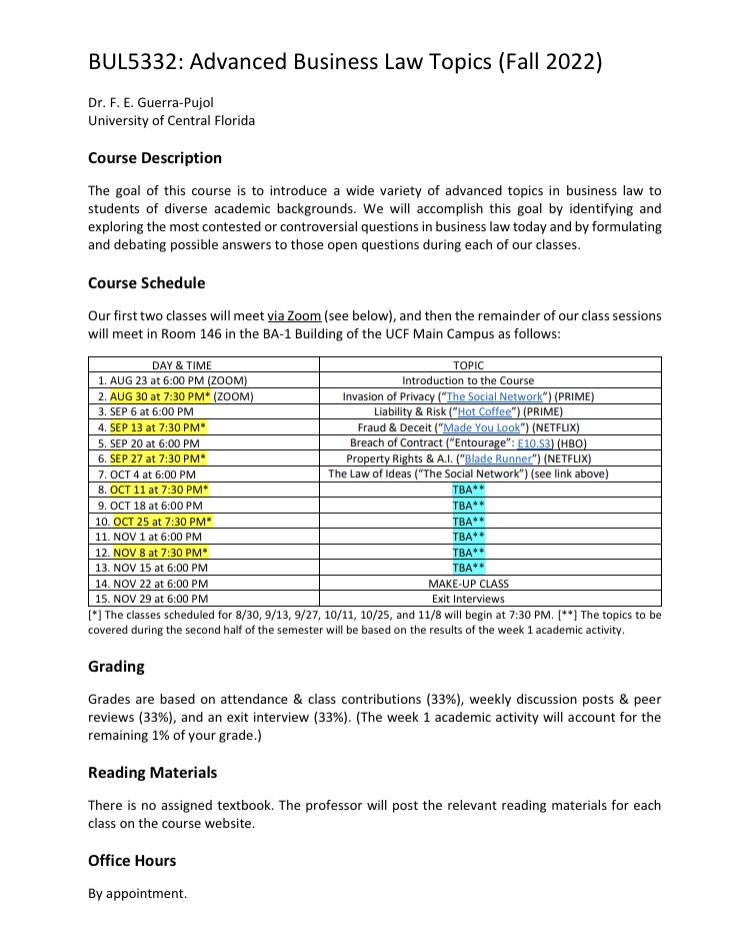
Below is my one-page syllabus for a graduate-level course on “advanced business law topics” that I will be teaching this semester. During the first half of the semester, I am assigning two movies, “The Social Network” and “Blade Runner“; two documentaries, “Hot Coffee” and “Made You Look” (shout out to my T.A. Antonella for recommending “Made You Look” to me); and an episode (see here) from season 3 of the series “Entourage”. My students will select the topics to be covered during the second half of the semester.


Hopefully It’s Interesting.
In Conversation with Legal and Moral Philosophers
PhD, Jagiellonian University
Books, papers, and other jurisprudential things
Ramblings of a retiree in France
BY GRACE THROUGH FAITH
Natalia's space
hoping we know we're living the dream
Lover of math. Bad at drawing.
We hike, bike, and discover Central Florida and beyond
Making it big in business after age 40
Reasoning about reasoning, mathematically.
I don't mean to sound critical, but I am; so that's how it comes across
remember the good old days...
"Let me live, love and say it well in good sentences." - Sylvia Plath
a personal view of the theory of computation
Logic at Columbia University
Just like the Thesis Whisperer - but with more money
the sky is no longer the limit
Technology, Culture, and Ethics
Just like the horse whisperer - but with more pages
Poetry, Other Words, and Cats

 prior probability