Greetings from Jamaica, the third largest island in the Caribbean (fifth largest by population). My family and I are taking an end-of-summer vacation (my teaching duties resume in less than two weeks), visiting family and friends, and celebrating the 60th anniversary of the Island’s independence as well as our daughter’s ninth birthday, both of which fall on the same day: Saturday, August 6.
According to Wikipedia (links in the original), the Gowrie conspiracy refers to a series of events unfolding on 5 August 1600 that are still shrouded in mystery: “John Ruthven, 3rd Earl of Gowrie … was a Scottish nobleman who died in mysterious circumstances [on 5 August 1600], referred to as the ‘Gowrie Conspiracy’, in which he and his brother Alexander attempted to kill or kidnap King James VI of Scotland for unknown purposes. The king’s retinue killed both brothers during the attack, and the king survived….”
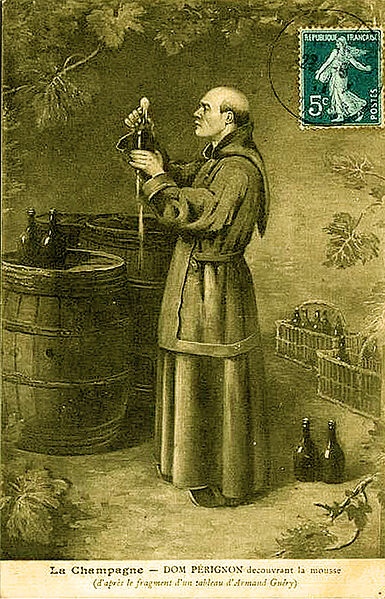
I dedicate this post to my wife Sydjia. On this day (August 4) in 1693, Dom Pierre Pérignon is said to have invented the Devil’s wine: champagne. (See here, for example.) Cheers!
I blogged about my latest legal-philosophical foray into popular culture (the wedding scene in the original Godfather movie) in my previous post. That Godfather post then got me to thinking about my previous “pop culture” papers. In all, ten of my scholarly works have been inspired by popular culture and other forms of mass-market entertainment, including sci-fi, vampire lit, and literary fan art, just to name a few. For your reference, below is a complete listing, in chronological order, of my “pop law” papers:
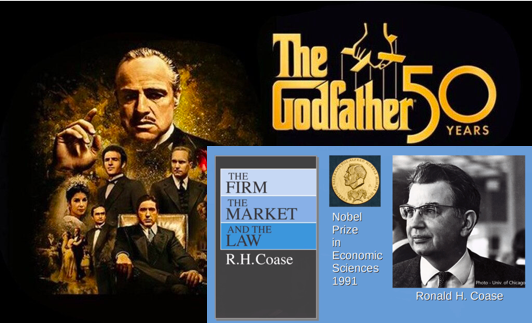
The Godfather premiered fifty years ago in March of 1972. In honor of the 50th anniversary of the wide domestic release of this classic film, I just posted an essay to SSRN titled “Coase and the Corleones“. By way of background, one of the most influential ideas in legal, moral, and political philosophy is John Stuart Mill’s harm principle, i.e. the notion that people should be free to do or say whatever they wish unless their actions or words cause harm to somebody else. The work of Ronald Coase, however, shows us why the harm principle is logically incoherent. Aside from the difficulty of defining what counts as a harm, the main problem with the harm principle is that harms are often reciprocal in nature. That is, most harms are, logically speaking, either the direct or indirect result of both the wrongdoer’s and the victim’s decisions. In my Godfather paper (see here), I illustrate this counter-intuitive Coasean picture of harms using three memorable examples from the famous wedding scene in original Godfather movie.
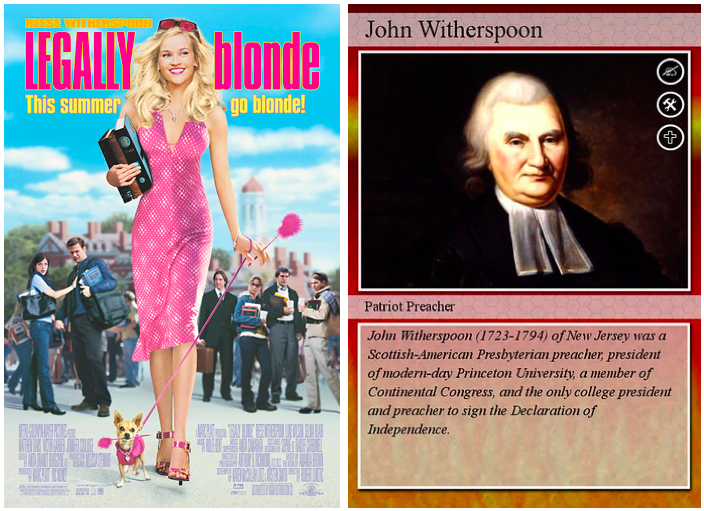
Although the Declaration of Independence was adopted by the Second Continental Congress in Philadelphia on July 4, 1776, most of the delegates to the Continental Congress did not sign this historic document until August 2, 1776! More fun facts about the Declaration of Independence are available here, via the National Archives. (For example, Reese Witherspoon, the actress who played the role of Elle Woods in Legally Blonde, is a direct descendant of John Witherspoon, one of the 56 patriots who signed the 1776 Declaration.)
prior probability also asks, what is the probability that these secret (and illegal?) tactics will reduce (or increase) the threat of terrorism by some well-defined time period (e.g., the end of this year)?
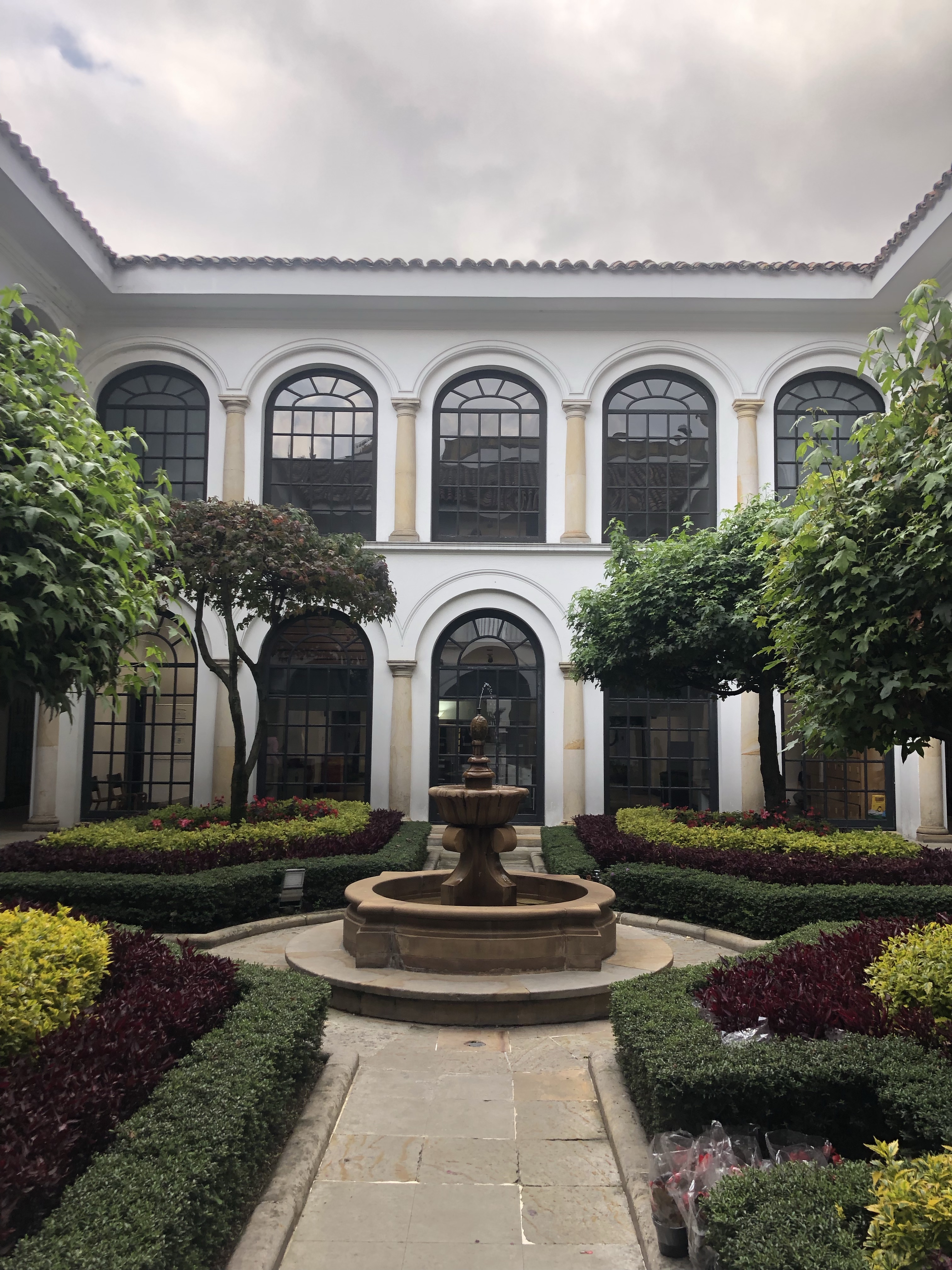
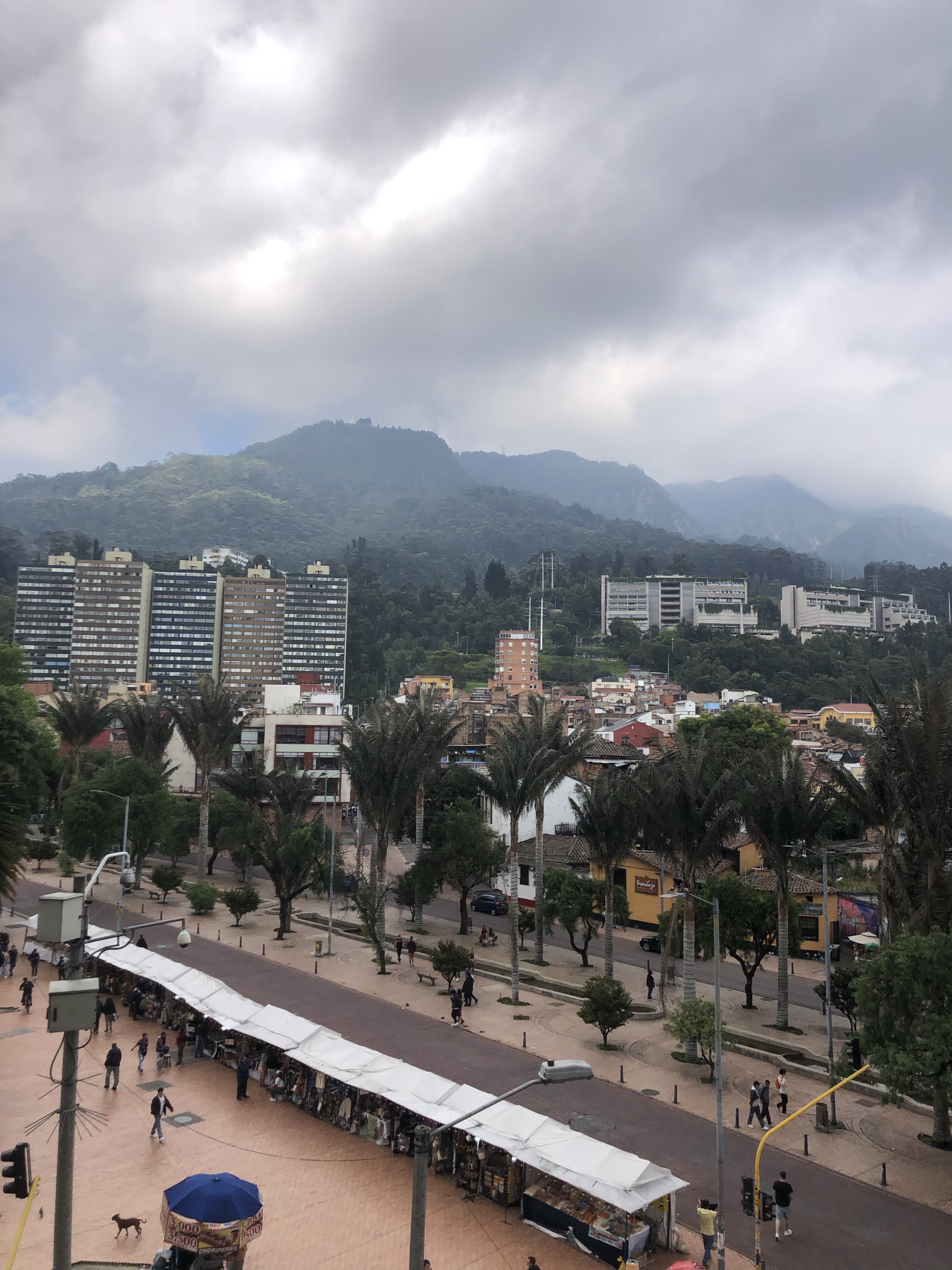
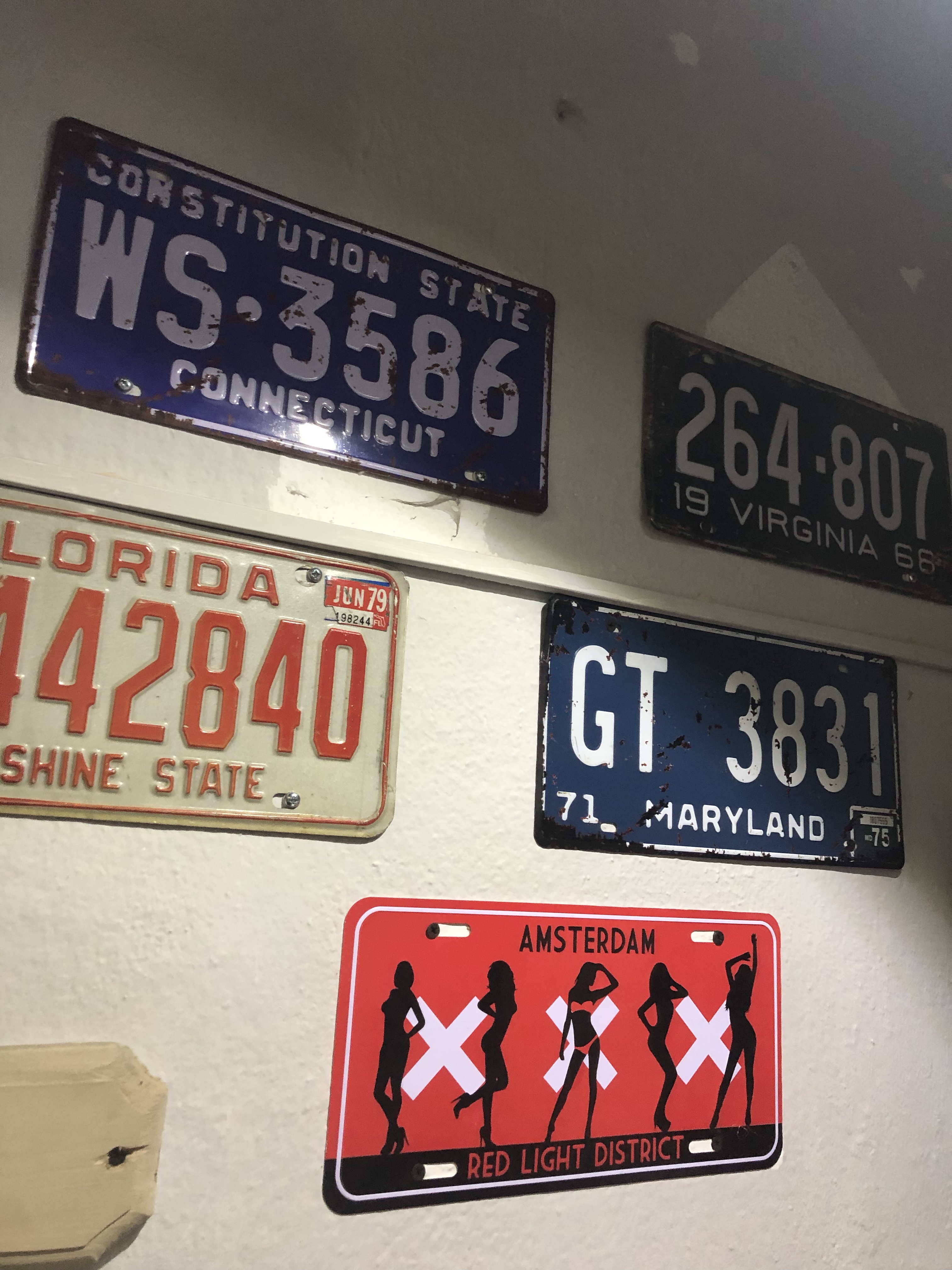
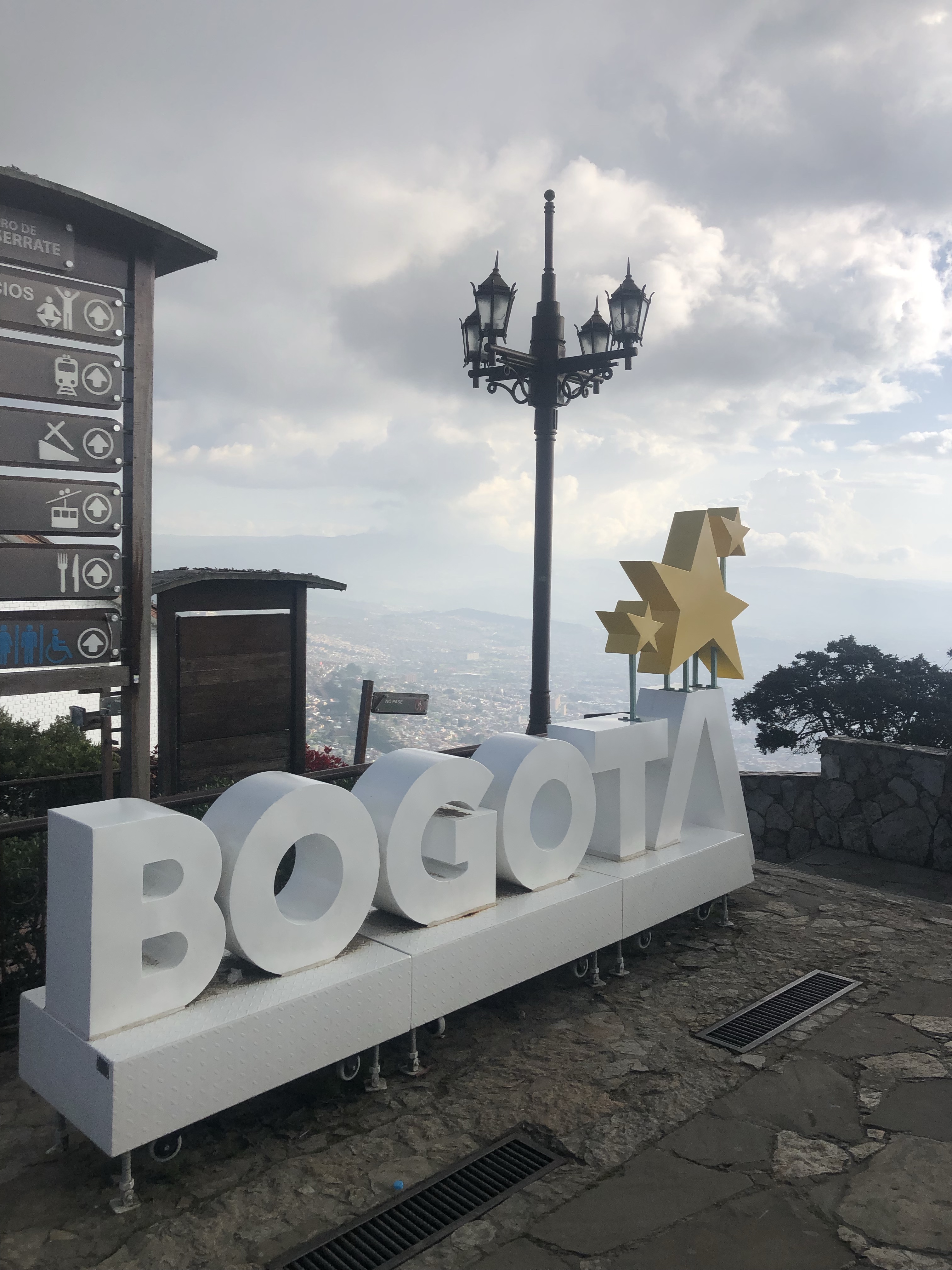
I returned from Colombia last week and am now getting ready to visit Jamaica. In the meantime, here are a few additional photos from Bogota, one of my top-ten favorite cities in the world:
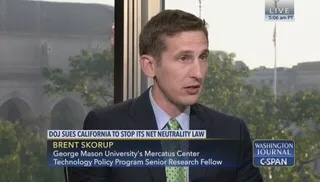
Via the popular Marginal Revolution blog, my colleague and friend Alex Tabarrok recently brought to my attention this prize-winning essay, which is provocatively titled “Drone Airspace: A New Global Asset Class“. The essay was written by Brent Skorup (pictured below), a senior research fellow at the Mercatus Center and a visiting faculty fellow at the Governance and Technology Center of the University of Nebraska, who proposes the creation of “airspace markets” for commercial drone services. In the words of Mr Skorup, “With airspace markets, winning bidders win the exclusive license to manage, combine, and sublease air corridors. Importantly, operators have the freedom to iterate and to use the drone traffic management systems and technologies of their choice (subject to generally applicable FAA safety rules like separation minimums and emergency procedures).” Yes, what an excellent and innovative idea! My only criticism is that this proposal does not go far enough. Specifically, why not extend airspace markets to commercial satellites in outer space? See here, for example.
















 prior probability