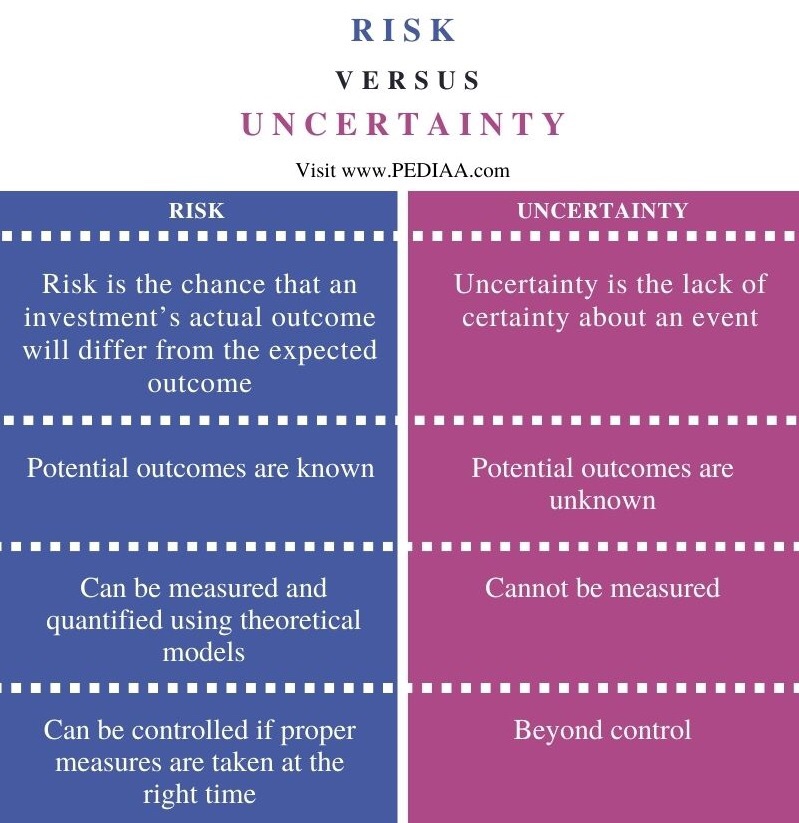
Let’s define these terms. The Chicago economist Frank Knight wrote about risk and uncertainty in 1921 (see here), the two sides of the probability coin. In brief, risk is “quantifiable” — think of a casino game like roulette, where you can calculate the odds of a bet before each spin. Uncertainty, by contrast, is impossible to quantify ex ante. Think of a “Black Swan” affair — an unpredictable event like the possibility of a nuclear war. See also the materials below:
It’s that time of year again, time to delve into a new research project! This year, my topic is “Adam Smith in Paris” — the Scottish moral philosopher and father of modern economics lived in Paris for most of the year 1766 –, so my spring 2022 reading list includes the following scholarly tomes (subtitles in parenthesis):
Philipp Blom, A Wicked Company (The Forgotten Radicalism of the European Enlightenment) (2010), the cover of which is pictured below.
Julian Baggini, The Great Guide (What David Hume Can Teach Us about Being Human and Living Well) (2021).
Elizabeth Fox-Genovese, The Origins of Physiocracy (Economic Revolution and Social Order in 18th-Century France) (1976).
Steven L. Kaplan, Bread, Politics, and Political Economy in the Reign of Louis XV (1976).
_____________, The Famine Plot Persuasion in 18th-Century France (1982).
Nina Kushner, Erotic Exchanges (The World of Elite Prostitution in 18th-Century Paris) (2013).
Ann Lewis & Markman Ellis, editors, Prostitution and 18th-Century Culture (Sex, Commerce, and Morality) (2012).
Meghan K. Roberts, Sentimental Savants (Philosophical Families in Enlightenment France) (2016).
Adam Smith, The Wealth of Nations [1776].
Joan Hinde Stewart, The Novels of Madame Riccoboni (1976).
(Note: The above list of books does not include the many dozens of research articles, scholarly papers, historical studies, and unpublished doctoral dissertations on mid-18th-Century Paris that I have also been dutifully reading.)
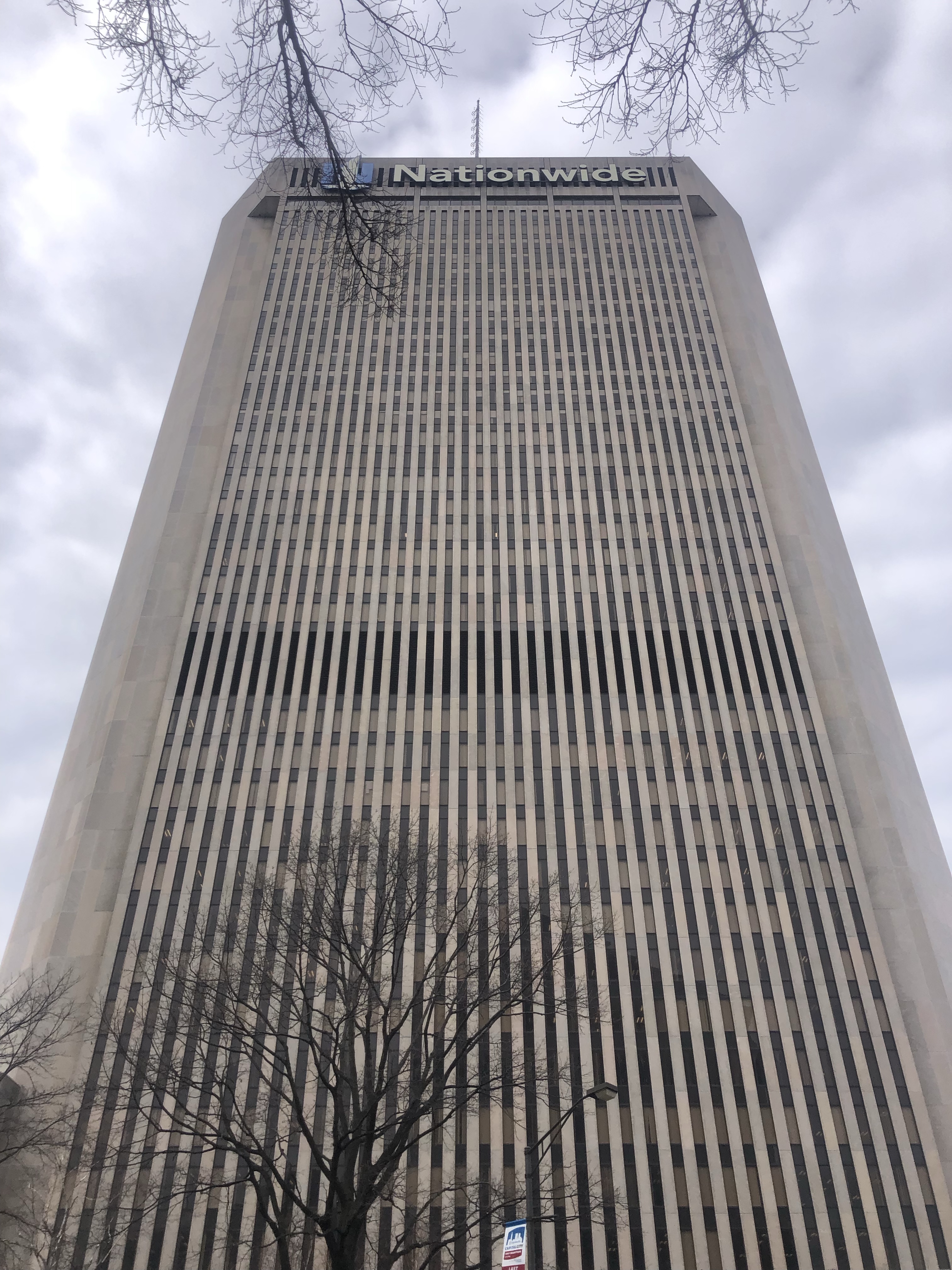
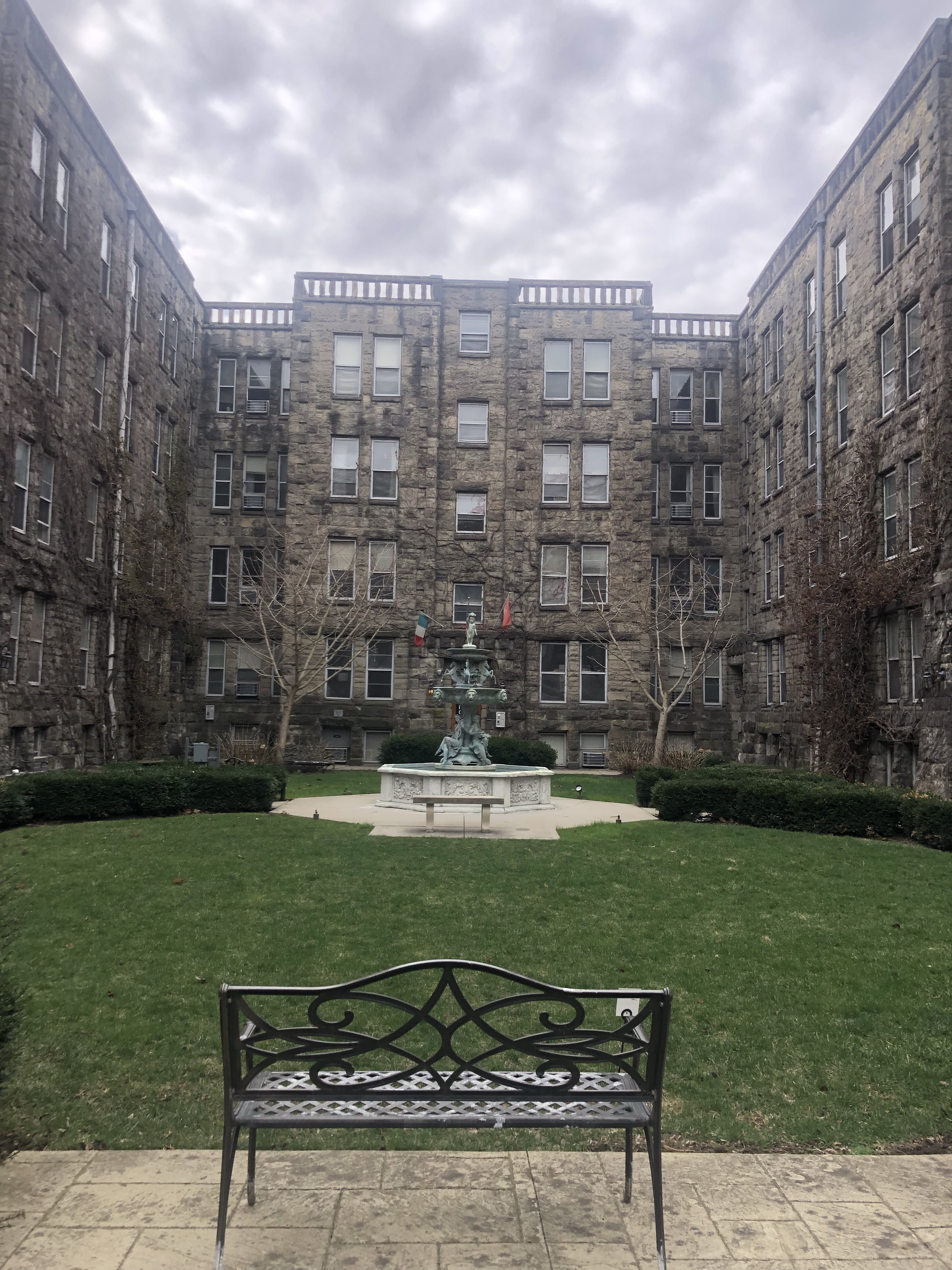
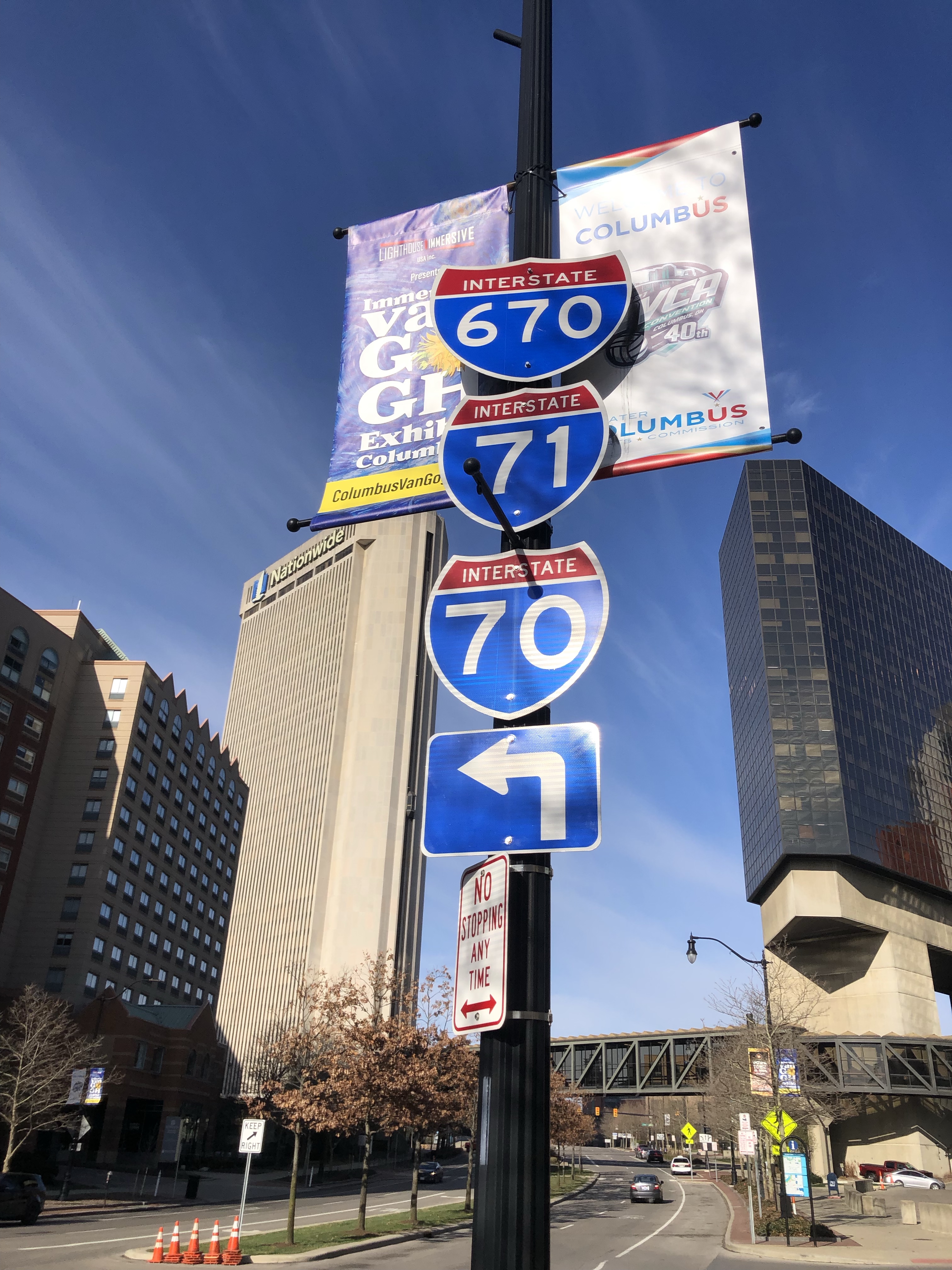
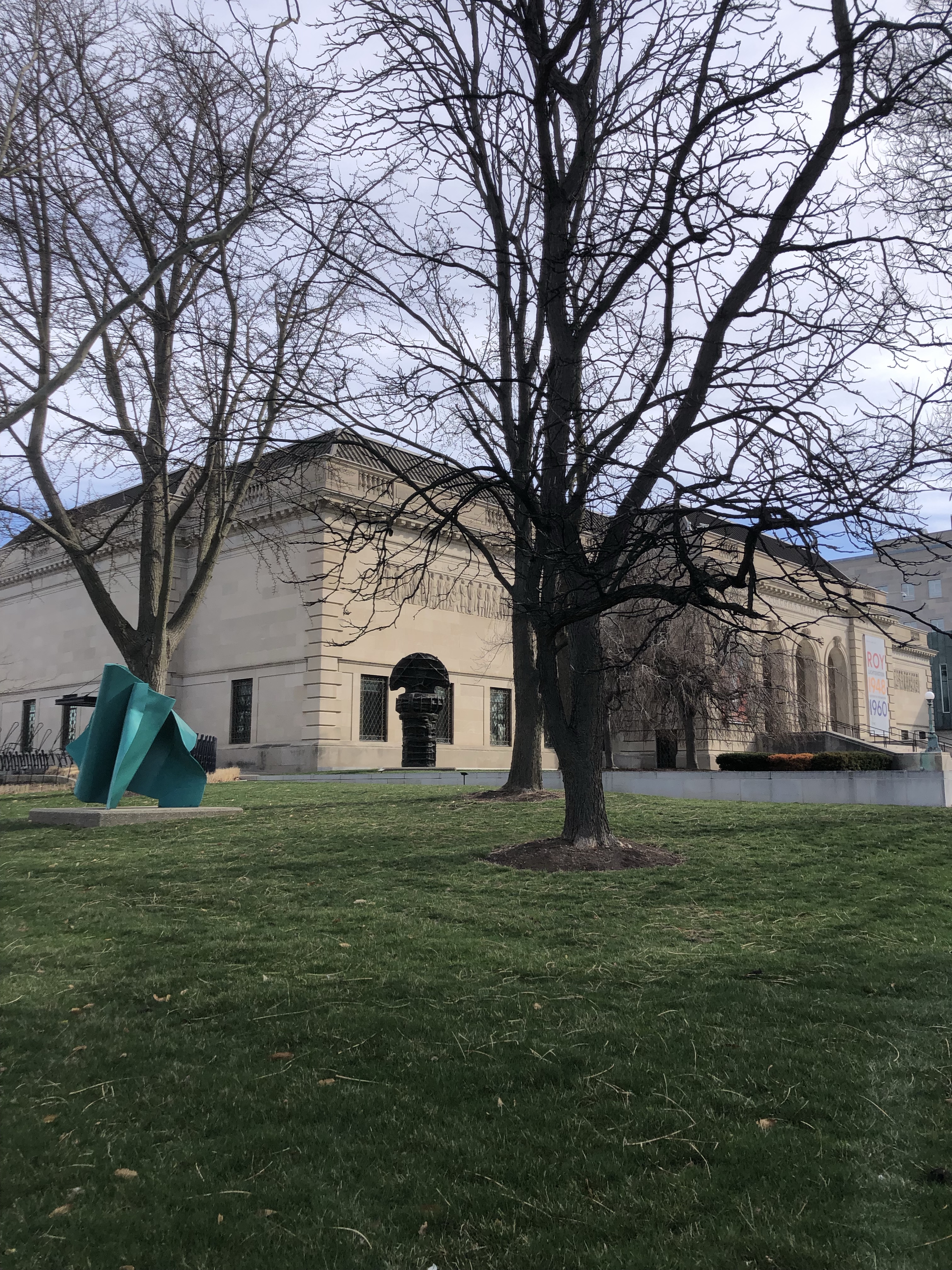
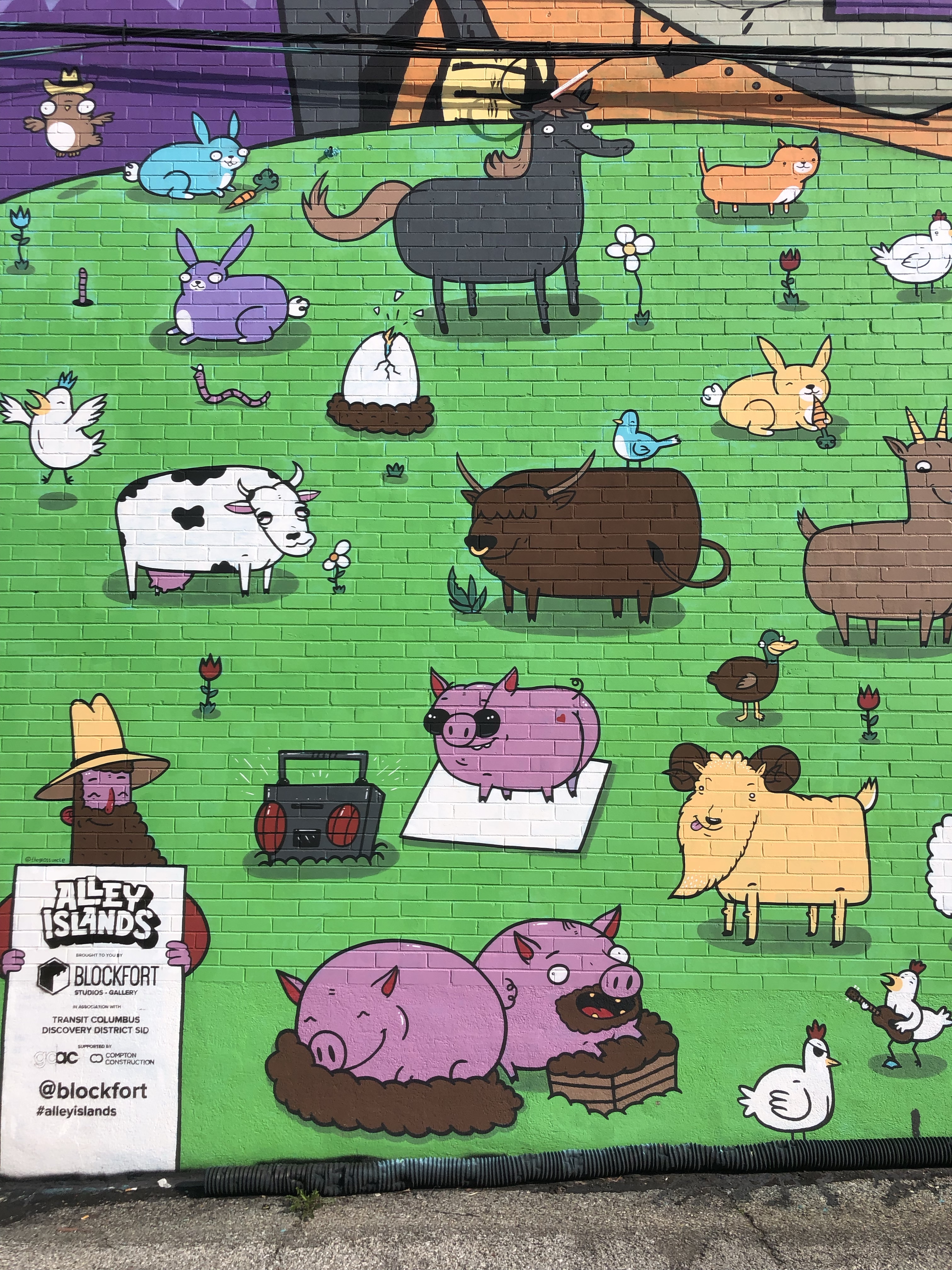
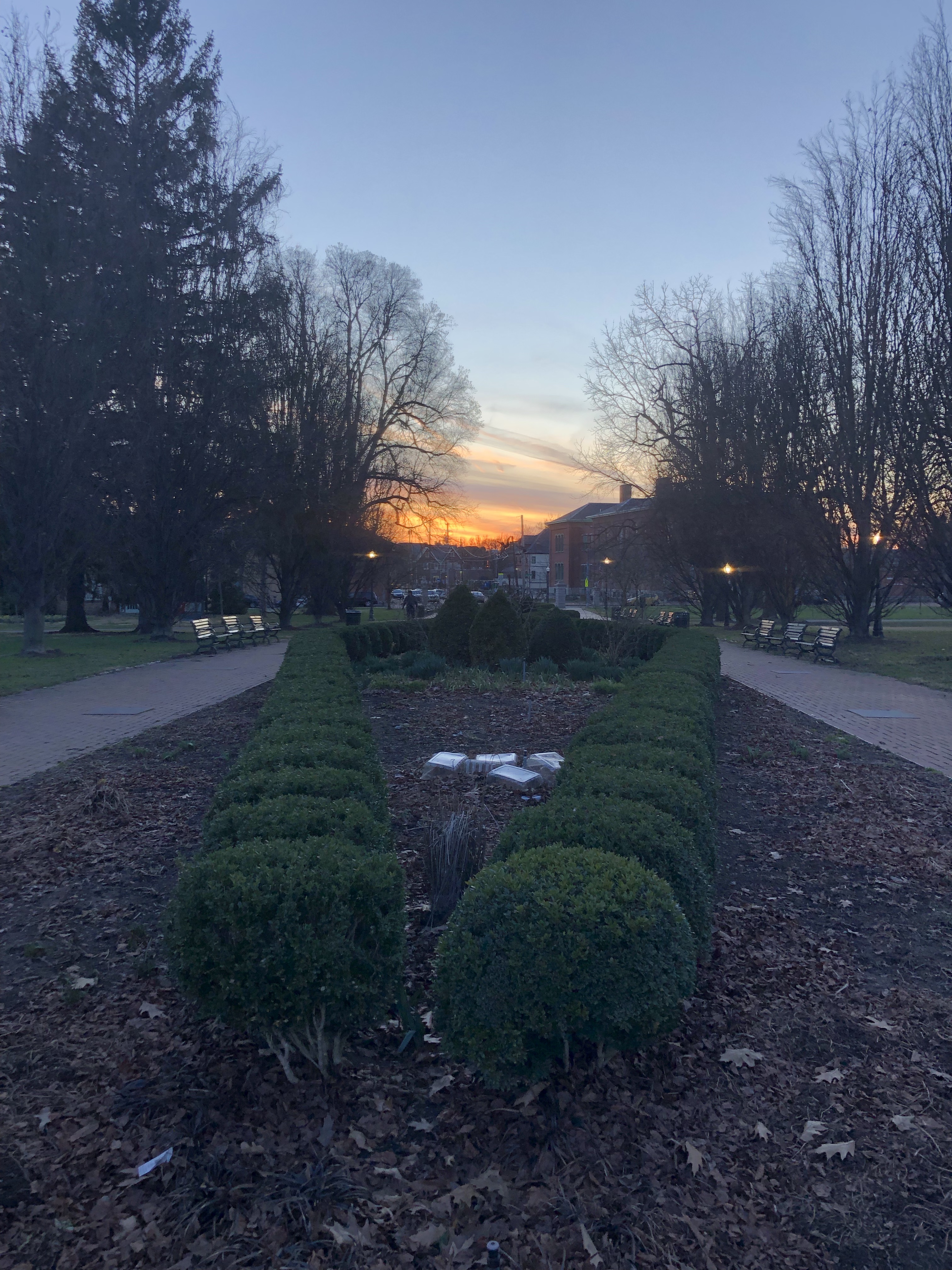
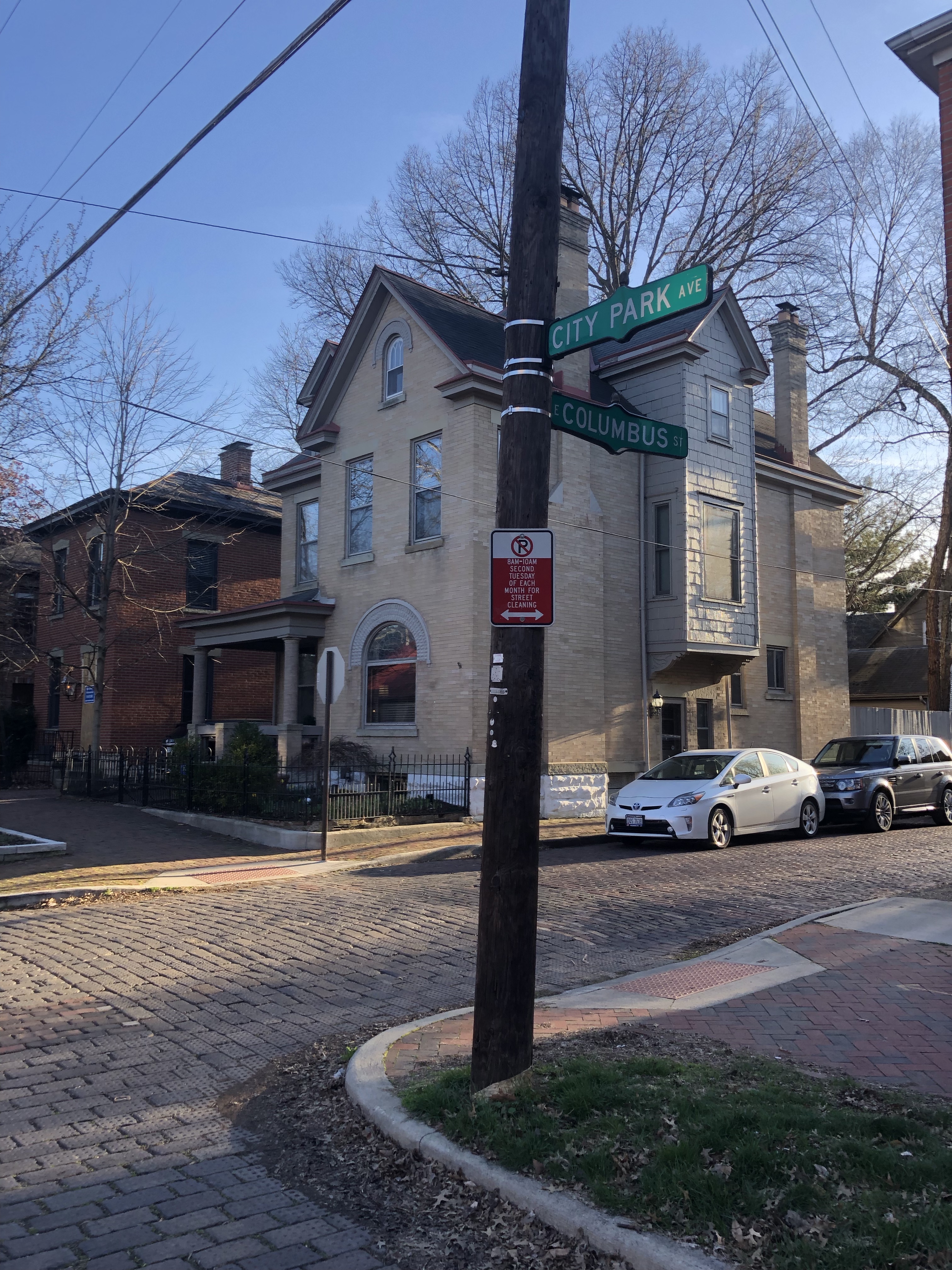
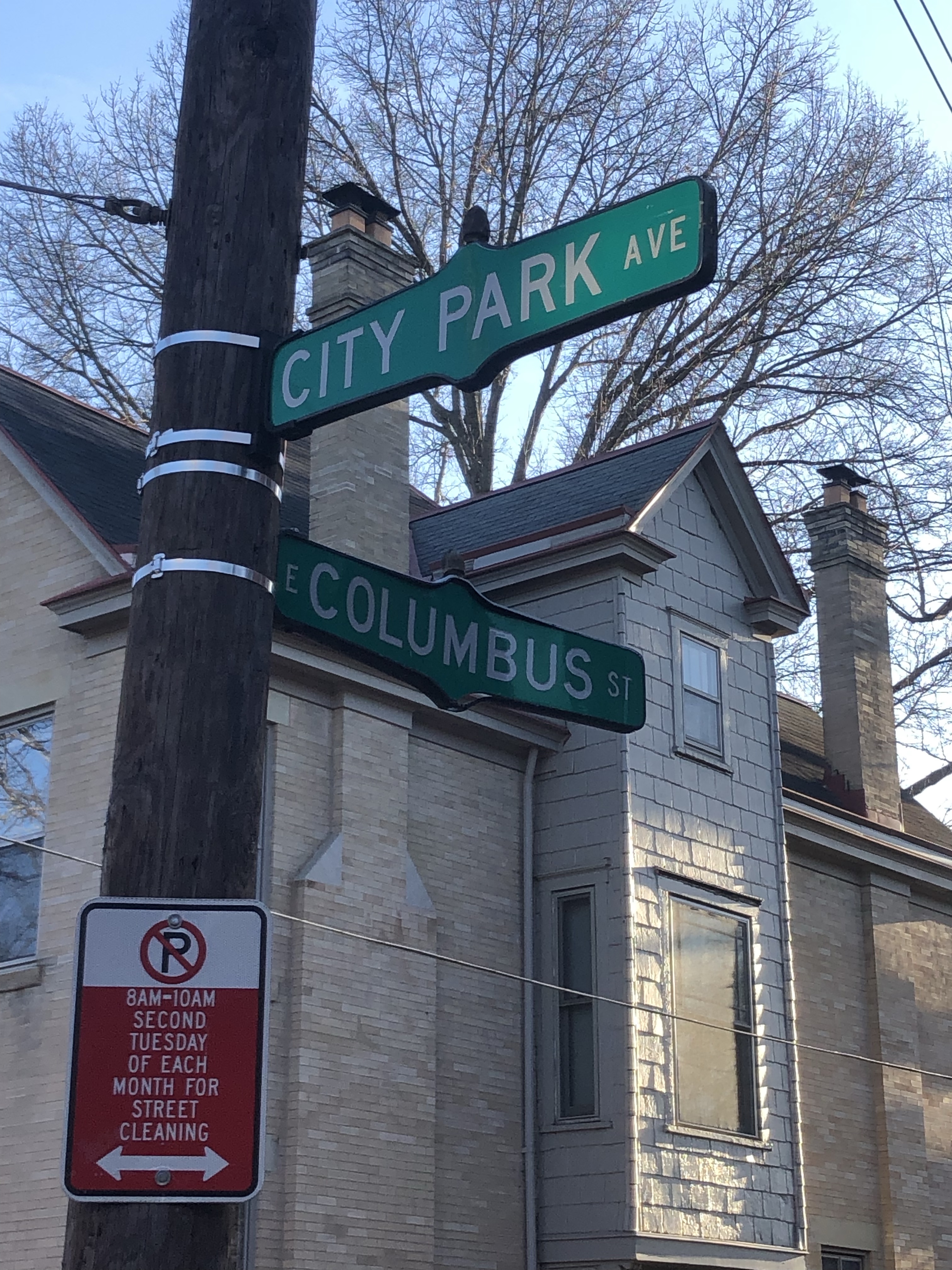
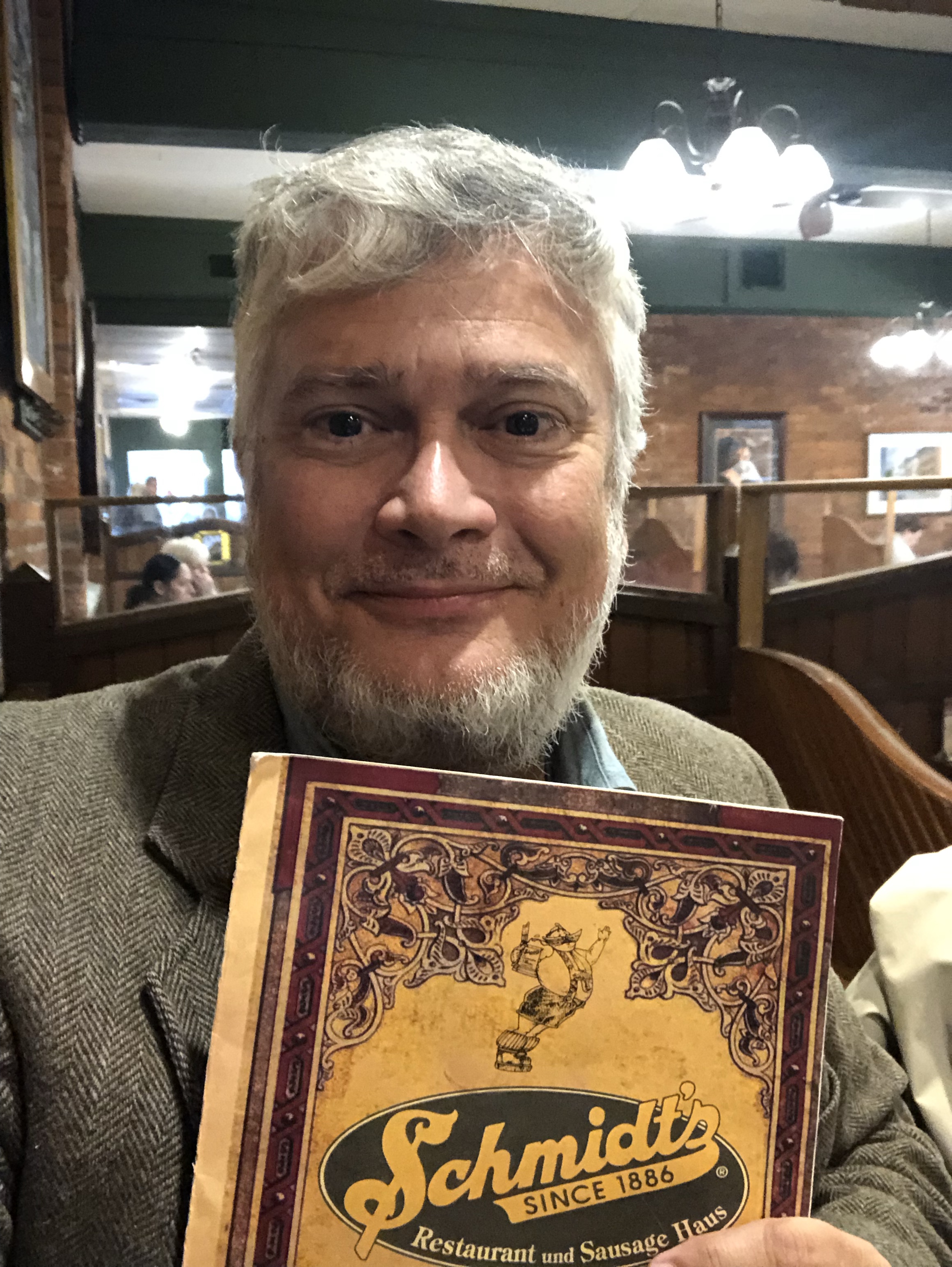
Although I am now back home in Orlando, Florida, below are a few more memories from my recent sojourn in Columbus, Ohio, the 14th largest city in the USA.
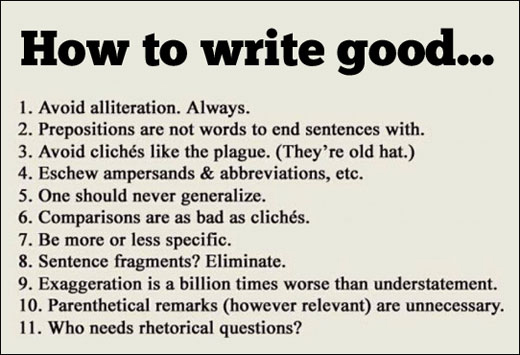
Your mileage may vary, but after many years of trial and error the following rules of thumb or “dos and dont’s” have worked for me:
Do not write unless you have something new or original to say.
Do your research; allocate sufficient time to read the relevant literature on your topic. Note: This is the most important and time-consuming part of the writing process, but the more research you do, the easier to know when you have something new or original to say. (See Item #1 above.)
Establish a word quota for each of your writing sessions (my target is 500 words per writing session, or one single-spaced page), and be sure to block off a non-negotiable time of day to write. (In my case, I like to get my writing done in the early morning hours after I drop my daughter off at school but before I check my emails or run any errands.)
Open up a new Word document for each writing session. (I do this so I don’t get bogged down editing my previous writing. I will have plenty of time to edit my work once I have a decent-sized working draft.)
Write up the introduction section and abstract last and keep the intro as short as possible (one page max).

/cdn.vox-cdn.com/uploads/chorus_image/image/49206887/6887351030_049bd1cb28_o.0.0.jpg)




















 prior probability