Posted in Uncategorized | 1 Comment

Is qualified immunity unlawful?

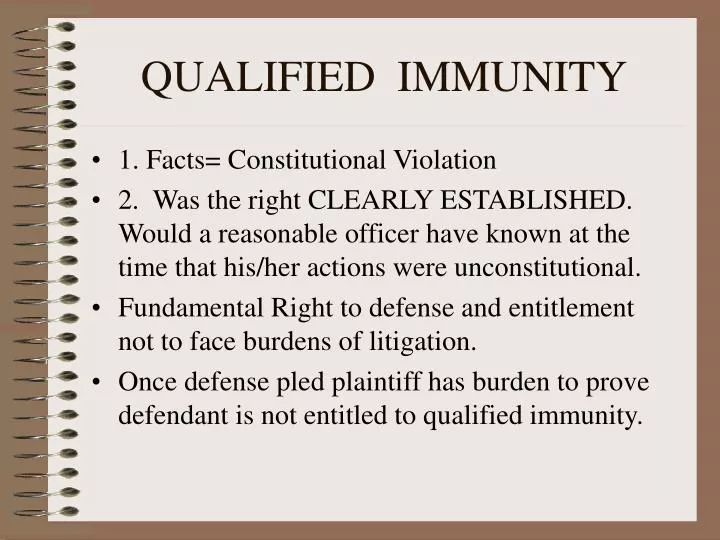
That is the title of this new paper by our friend and colleague William Baude (@WilliamBaude on Twitter), a law professor and legal scholar at the University of Chicago. The qualified immunity doctrine is supposed to protect public officials from frivolous claims, but in practice, this judicially-created defense makes it next to impossible for us to sue public officials (like police officers) when they violate our constitutional rights (like killing unarmed civilians or breaking into our houses without a warrant). Moreover, Baude’s thought-provoking thesis poses a deeper and more intriguing question beyond the qualified immunity doctrine: what happens when it is the judges themselves who violate our constitutional rights? After all, aren’t judges supposed to hold public officials accountable; not shield them from the risk of litigation, a risk that private firms are exposed to?

Image result for qualified immunity definition

Credit: jaden

Posted in Uncategorized | 5 Comments

Rap for math geeks (K-nearest neighbarz)

Here are the first two stanzas:

K-nearest neighbors, surprisingly it can slay
Got these I.I.D women so I call them Naive baes
With conditional vision guessing, I guess I should listen
Their predictions more accurate than anything I could say, but wait

Equal weighter, I’m never a player hater
Cuz Naive Bayes don’t care about the size of my data, now
Take a second and pause, just so you know what I mean
Y’all tryna muster the clusters I developed with K-Means

Below the fold are the rest of the amazing lyrics for “k-nearest neighbarz” by our new favorite rapper, J-Wong:  Continue reading

Posted in Uncategorized | Leave a comment

Happy Easter

Posted in Uncategorized | Leave a comment

Every day is groundhog day!

Say what? That is from Austin Kleon’s talk titled “How to keep going” (published in Medium). Read the whole thing here.

How To Keep Going

Hat tip: Kottke

Posted in Uncategorized | Leave a comment

Legal Risk (Part 2)

We identified several types of legal risk in our previous post, including the risk of litigation, the risk of legal liability (both civil and criminal), and the risk of reputation loss, but what can a business firm do to mitigate or reduce such risks? There are three possible solutions: contracts, insurance, and internal controls. Let’s examine each risk-reduction method below:

  1. Contracts. Whenever possible, a firm should employ well-drafted contracts before entering into a relationship with another party, such as a customer, an employee, or a supplier. Contracts are an ideal way of allocating risks, including the risk of litigation. By way of example, consider Facebook’s terms of use dated May 24, 2007. (You can read the whole thing here.) These terms create a contract between Facebook and each one of its users at the time. Among other things, they contain an arbitration clause. In brief, if there is a dispute between Facebook and any of its users, they will submit their dispute to private arbitration, and the decision of the arbitrator (a private judge) will be final and binding on both parties. This clause allows Facebook to avoid the time and expense of going to court.
  2. Insurance. There are many types of business insurance. Product liability insurance, for example, is designed to protect a firm against claims of personal injury or property damage caused by products sold or distributed by the firm. Another example is premises and operations insurance, which covers personal injuries or damages that occur on a firm’s property or during its operations.
  3. Internal controls. A firm should work with legal counsel to establish internal policies designed to deal with risks that are specific to the firm. Many large firms also employ compliance officers, whose job it is check whether the firm is complying with applicable laws and regulations and with its internal policies.

One last point. These risk management solutions are not mutually exclusive. In fact, a risk averse firm will employ all three methods to various degrees, depending on the probability and severity of the legal risks it faces.

Image result for management of legal risk

Image Credit: Connor James

Posted in Uncategorized | 1 Comment

Legal Risk

Why teach business law to undergraduates? One reason (perhaps the reason) is to make them aware of the basic concept of “legal risk.” Business firms of all shapes and sizes confront a wide variety of legal risks every day. If these risks were to occur, they could cost the firm a lot of money and a loss of goodwill. Here are three major legal risks every firm (and person) must deal with:

1. Risk of Litigation. A firm could be sued–by the government, by its customers, by its employees (or former employees), by its contract partners, by its owners, and even by third parties who were injured by the firm’s products. Defending a lawsuit (or initiating one) costs time and money, and the outcome of a case will always involve some level of uncertainty.

2. Risk of Legal Liability. There is not only a risk that a firm could be sued; there is also a risk that a court or regulatory agency could impose civil or criminal liability on the firm if the firm has breached any legal duties or broken any laws. The most common examples of civil liability are torts and breaches of contract. Examples of corporate criminal liability include such misconduct as bribery, fraud, and tax evasion. As a result, sometimes firms prefer to settle out of court than take their chances at trial.

3. Risk of Reputation Loss. Regardless of the outcome of any business litigation, a firm’s reputation could suffer if it is accused of legal or ethical misconduct or is otherwise involved in litigation, either as a plaintiff or a defendant. Just ask Mark Zuckerberg!
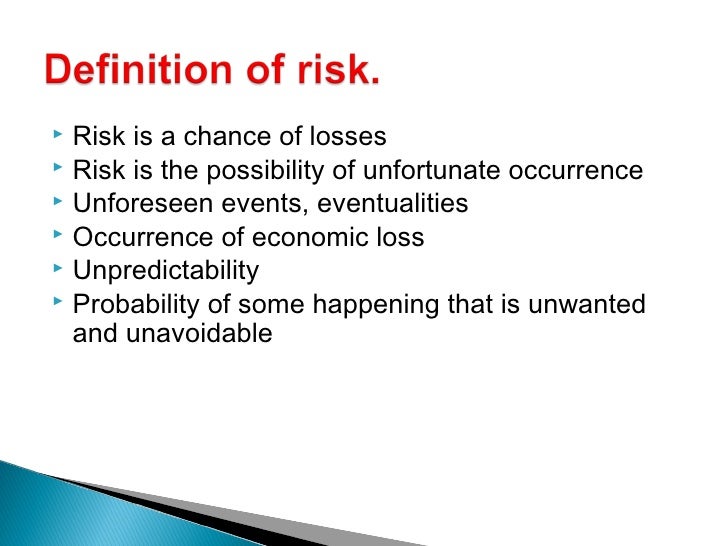
Image result for what is risk

credit: salmanoup

Posted in Uncategorized | 2 Comments

Should we repeal the Second Amendment?

The great John Paul Stevens, a retired judge who served on the U.S. Supreme Court from 1975 to 2010, says yes. Here is his provocative op-ed (NY Times). In the alternative, why not let each State decide this matter? (See, for example, the wording of the 21st Amendment.)

Image result for federalism
Posted in Uncategorized | 2 Comments

How many lines of code does does it take to _________?

hat tip: @pickover

Posted in Uncategorized | Leave a comment

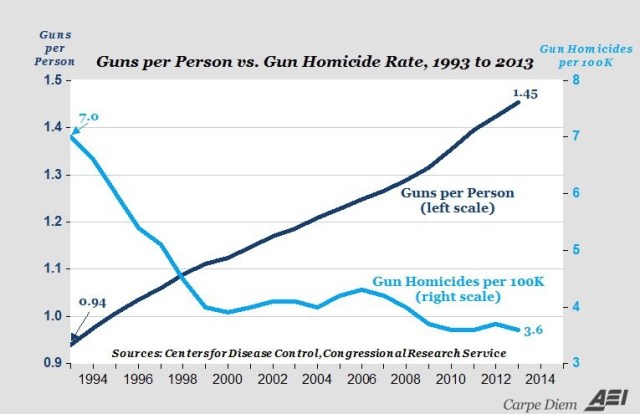
Model this: more guns, less homicide!

Posted in Uncategorized | 9 Comments