The Coase theorem and moral externalities

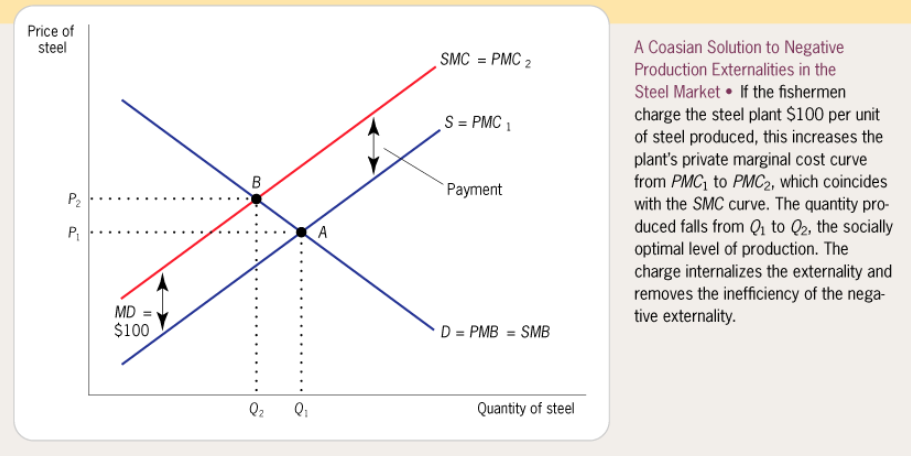
The Coase theorem applies to situations involving economic externalities, i.e. activities that produce harmful effects. It states that bargaining will lead to an economically efficient outcome, regardless of the initial allocation of property rights, when three conditions are met: (1) when property rights are well-defined, (2) when trade in the externality is not prohibited by law, and (3) when the costs of trading are low relative to the value of the right being traded.

Traditionally, economists and lawyers have used the Coase theorem to study such prosaic problems as cattle trespass and pollution. But could this theorem apply to moral externalities or other intangible types of harmful effects, such as late-term abortions? By way of example, according to this report in The Washington Post: “A Maryland abortion clinic, one of only a few that provides late-term abortions to women in the United States, plans to close its doors and is under contract to be purchased by an antiabortion group that has worked for many years to shut it down, according to an official with the coalition that has plans to buy it. If the sale goes through this fall, the new owners of the Germantown clinic will soon be owned by the Maryland Coalition for Life, a grass-roots organization that has staged regular protests at the clinic and, in 2011, opened up a crisis pregnancy center across the parking lot to counsel women against choosing abortion.” Is this not an example of the Coase theorem in action?
Posted in Uncategorized | Leave a comment

Paper clip art

Zachary Abel’s work (pictured below) is a hollow sphere of 720 interwoven paperclips in the shape of a snub soccer ball. (Hat tip: Cliff Pickover.)

Posted in Uncategorized | 1 Comment

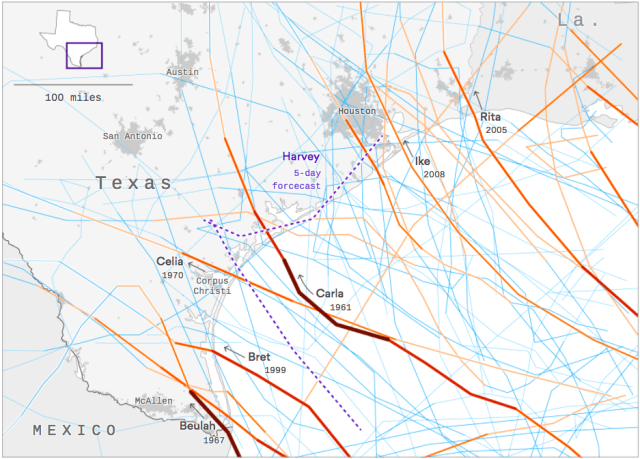
South Texas: storm magnet?

IMG_6097.PNG

Hat tip: lazarogamio, via Reddit

Posted in Uncategorized | Leave a comment

Would you sell your lottery ticket?

What’s going on here? Why won’t these people sell their lottery tickets? Endowment effect? Anticipated regret? Market failure? (Hat tip: Alex Tabarrok, via Marginal Revolution. More details here, via kottke.org.)

Posted in Uncategorized | 2 Comments

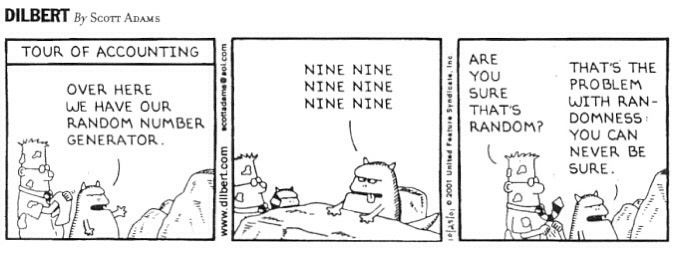
Assorted links (cracking-random-number-generators edition)

1. Daniel Lemire

2. James Roper

3. Wikipedia

Posted in Uncategorized | 2 Comments

Fake stop signs

What’s up with the proliferation of fake stop signs, especially on privately-owned roads and shopping center parking lots? Our student Gabriel Feliciano brought to our attention this fascinating thread on fake stop signs. Our recommendation: in place of fake stop signs, why don’t shopping centers and private subdivisions install yellow signs with the word SLOW instead? (Traffic expert John Carr explains the difference between “real stop signs and decorative red octagons” here.)

IMG_6058

Posted in Uncategorized | Leave a comment

Just in case …

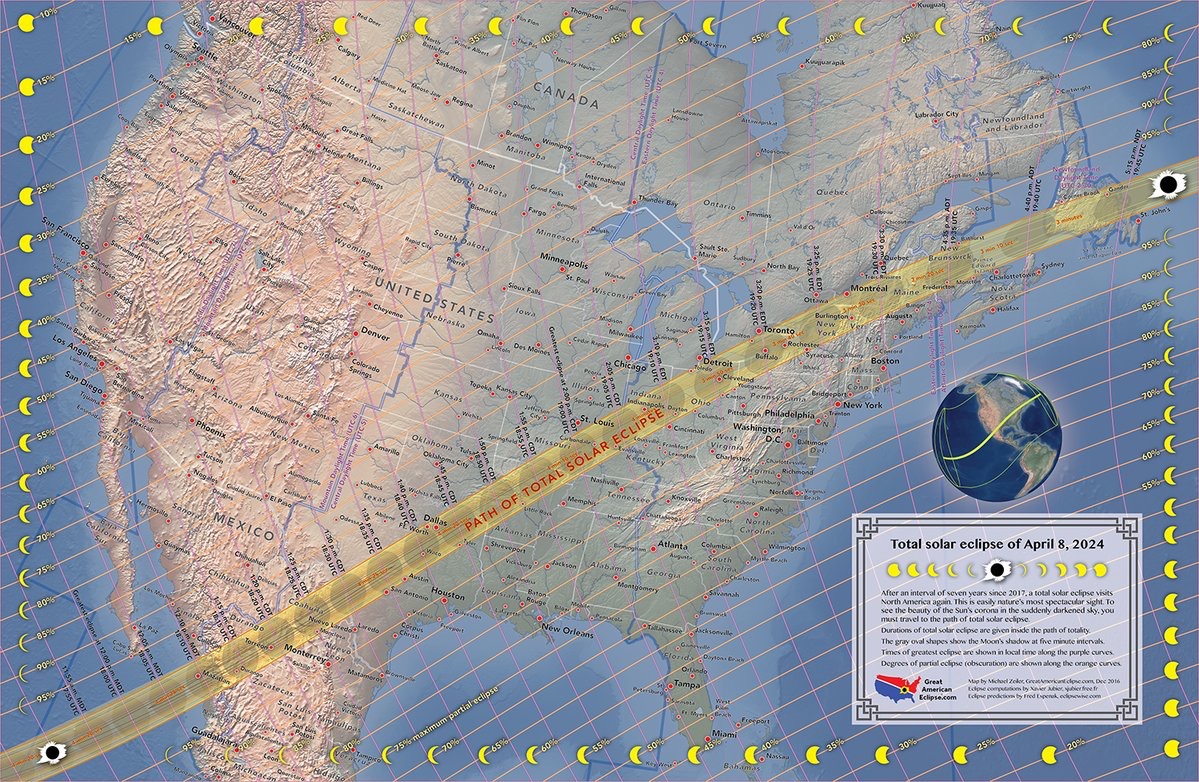
If you missed yesterday’s total eclipse of the sun (21 August 2017), the next one will occur in less than seven years (8 April 2024). (Bonus material: Walter Cronkite reports on the 1979 eclipse, and here is a collection of the best photographs and videos of the 2017 eclipse. Double hat tip: Jason Kottke.)

Hat tip: MachoTaco24, via Reddit

Posted in Uncategorized | Leave a comment

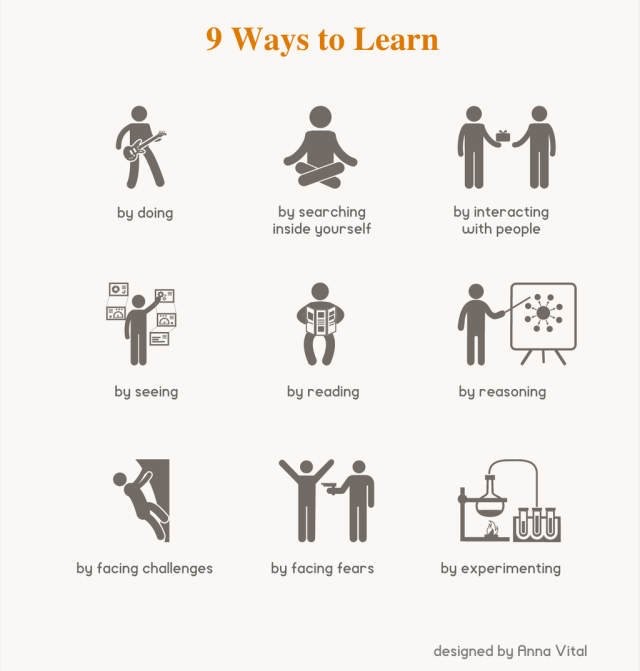
Nine ways to learn

Hat tip: Jee Hyun Kim

Posted in Uncategorized | 2 Comments

In memoriam: Cedric J. Robinson

Even after so many years, one of the things that I loved the most and still remember about my political theory professor Cedric J. Robinson was the quiet cadence and authoratative tone of his voice. Thanks to the wonders of modern technology, you too can listen to Dr Robinson here:

Posted in Uncategorized | Leave a comment

Assorted links (Cedric J. Robinson edition)

We are writing a series of blog posts in honor of our teacher, mentor, and friend Cedric J. Robinson (1940-2016). Dr Robinson was a prolific and creative scholar who wrote about culture, history, political theory, and much more. For your reference, here is just a small sample of his work:

Posted in Uncategorized | Leave a comment