
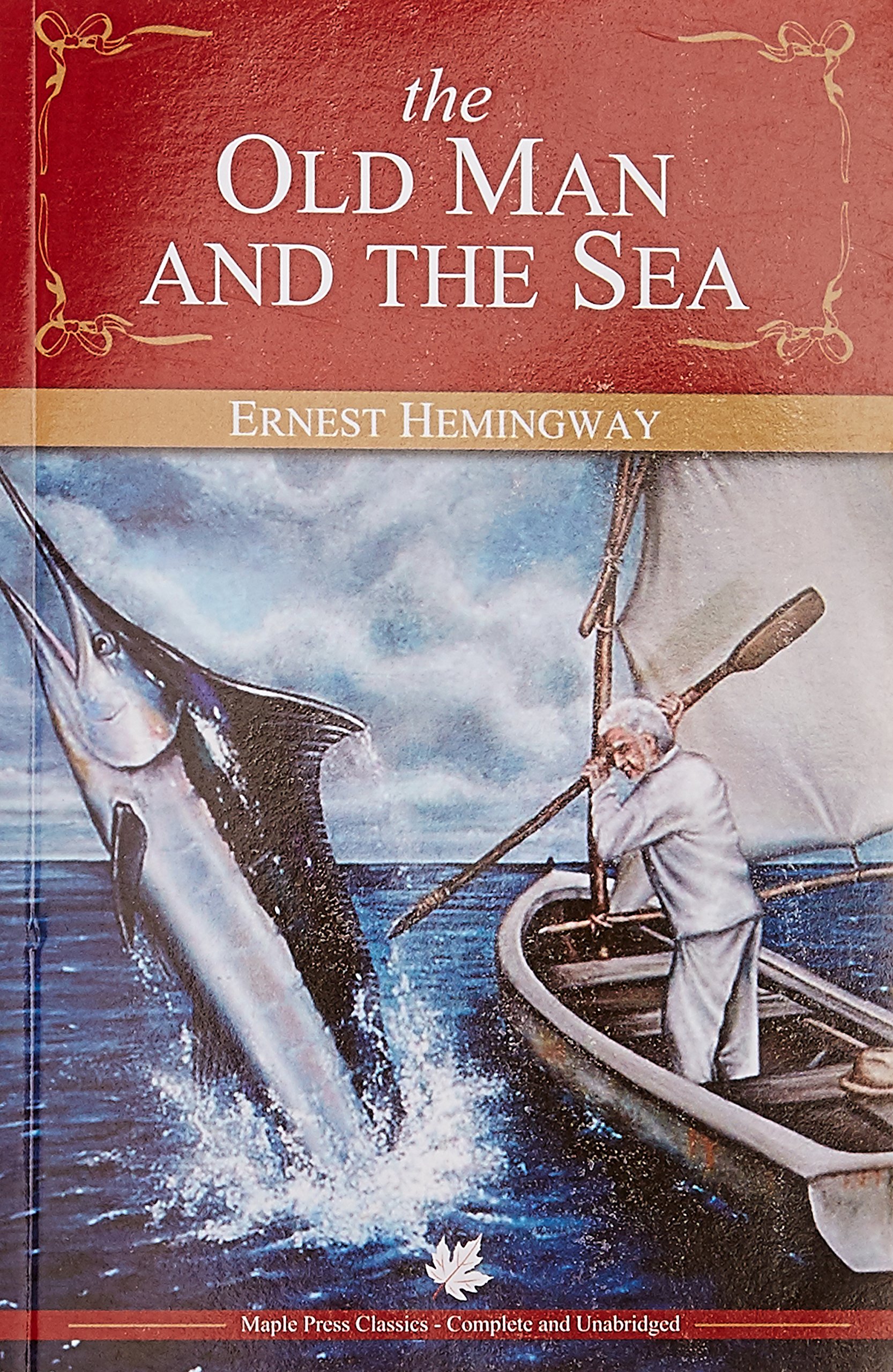
That is the title of our most recent work in progress, available here via SSRN, and here is the abstract: “The Old Man and the Sea is a timeless classic. One of Ernest Hemingway’s most famous works, it tells the story of Santiago–a poor, proud, and aging Cuban fisherman–and his epic solitary battle with a giant marlin in the Gulf Stream. In a previous paper, we showed that the character of Santiago in Ernest Hemingway’s masterpiece was most likely a composite of three different Cuban fishermen. Here, we shall enter the littoral world of the story itself and explore the logic of Santiago’s ‘decision calculus’–i.e. his fateful decision to set sail after going 84 days without catching a single fish–through the lens of subjective probability. For in addition to its aesthetic, literary, and moral qualities, Hemingway’s beautiful novella may also offer a hidden tribute to subjective or Bayesian probability.”








Pingback: OMAS seen from various angles | prior probability