
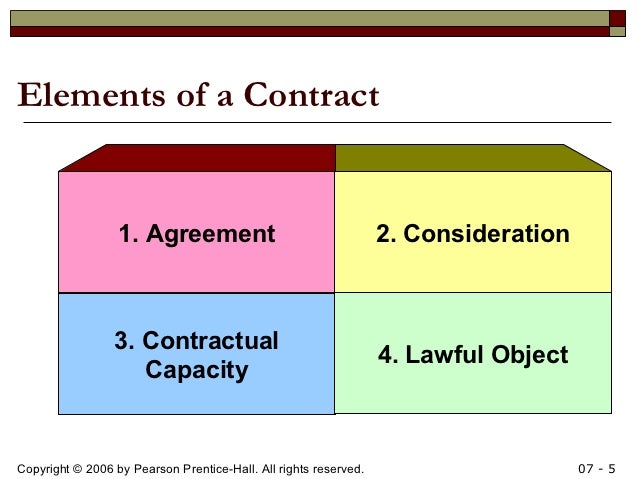
Is the so-called “social contract” of social contract theory a valid or legally-enforceable agreement? At common law, the four key elements of a contract are as follows:
- Offer & Acceptance (Mutual Assent): A clear proposal by one party (offeror) and an unconditional agreement to its terms by the other (offeree), showing a “meeting of the minds” or shared understanding.
- Consideration: Each party must give up something of legal value (a promise, an act, or refraining from an act) in exchange for the other’s promise or performance.
- Capacity: Parties must be legally competent (e.g., not minors, mentally incapacitated) to enter the agreement.
- Legality (Lawful Purpose): The contract’s objective must be legal and not against public policy.
What happens when we apply these four common law elements of contract law to the social contracts of Hobbes, Locke, and Rousseau? Stay tuned, for that is what we are going to do in my next post!










 prior probability
Okay, I’m all ears!
Pingback: Is the social contract legally-enforceable? | prior probability