To commemorate the ten-year anniversary of this blog (5 July 2023), I am reposting ten of my previous blog posts featuring various aspects of the science-fiction TV and movie series created by Gene Roddenberry: Star Trek.
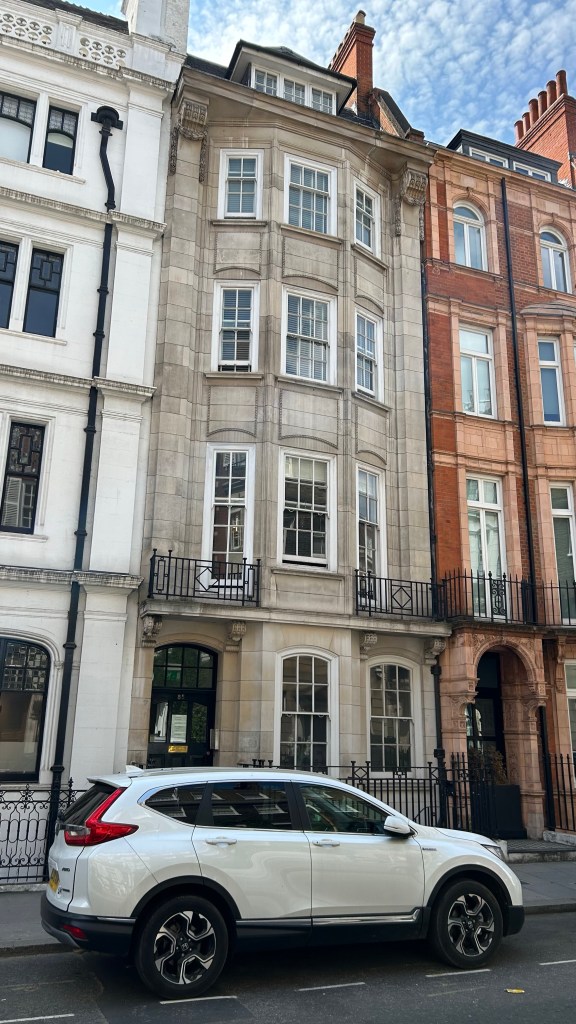
That is the location of the silence-loving doctor’s residence in Sturges v. Bridgman, an oft-cited 19th Century nuisance law case involving noise and vibrations emanating from a confectioner’s kitchen. I wrote about this classic case in my latest paper “Coase’s Parables“, which was just published in the Mercer Law Review. (The late great English economist Ronald Coase had used this case to illustrate the reciprocal nature of harms.) As stated by the London judge who decided this immortal dispute, the facts are as follows:
“The plaintiff was a physician, who occupied as his professional residence the house No. 85 Wimpole street, the lease of which he purchased in 1865. Wimpole street is crossed at right angles by Wigmore street, and the plaintiff’s house, which was the second house from the corner where Wigmore street crosses, had at its rear a garden, at the end of which the plaintiff erected a consulting room in 1873. The defendant was a confectioner, who carried on business at 30 Wigmore street, and his kitchen was at the back of his house, having been erected on ground which was formerly a garden, and which abutted on the portion of the plaintiff’s garden on which he built the consulting-room. Thus one of the side walls of the consulting-room was the back wall of the defendant’s kitchen.”
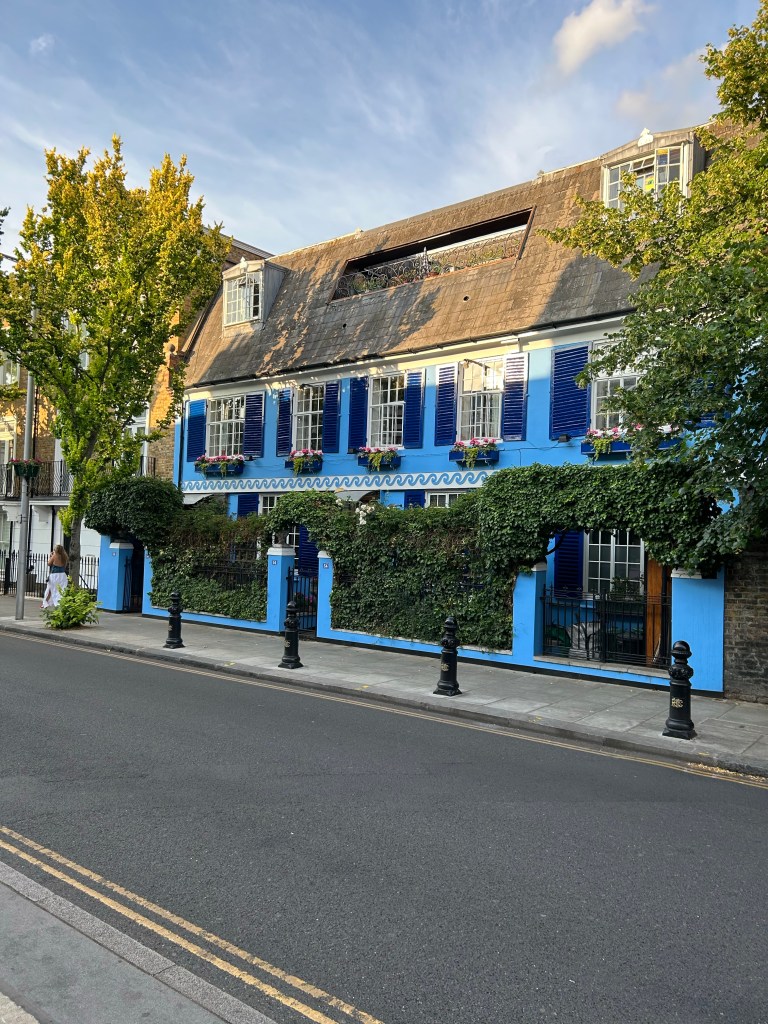
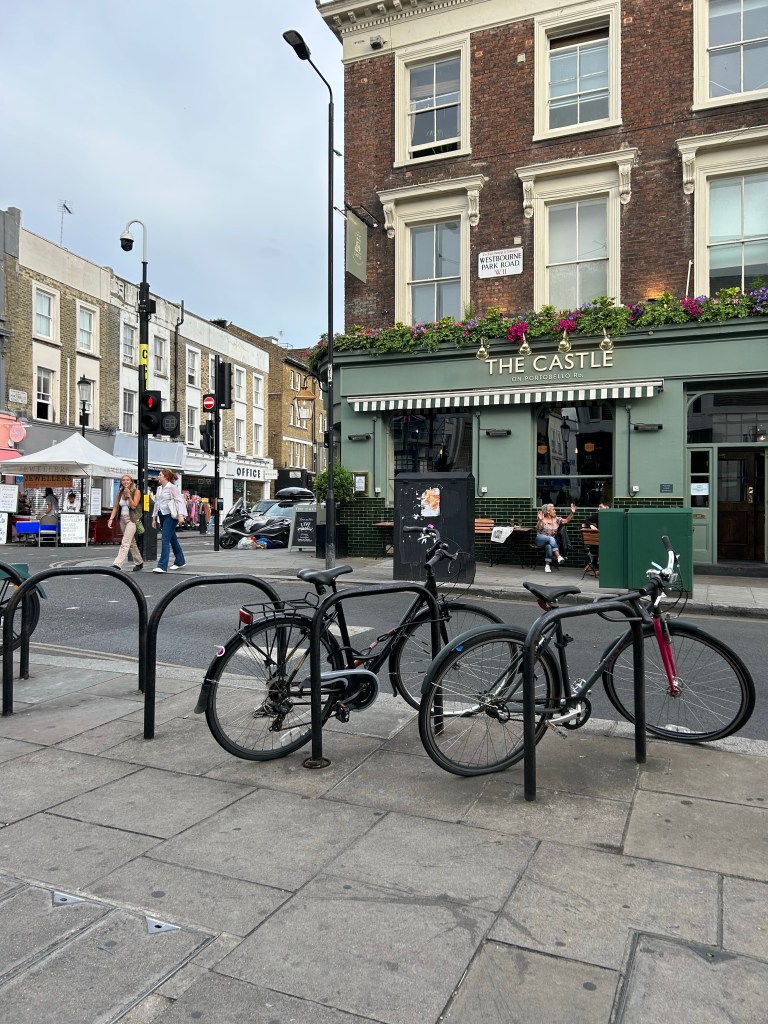
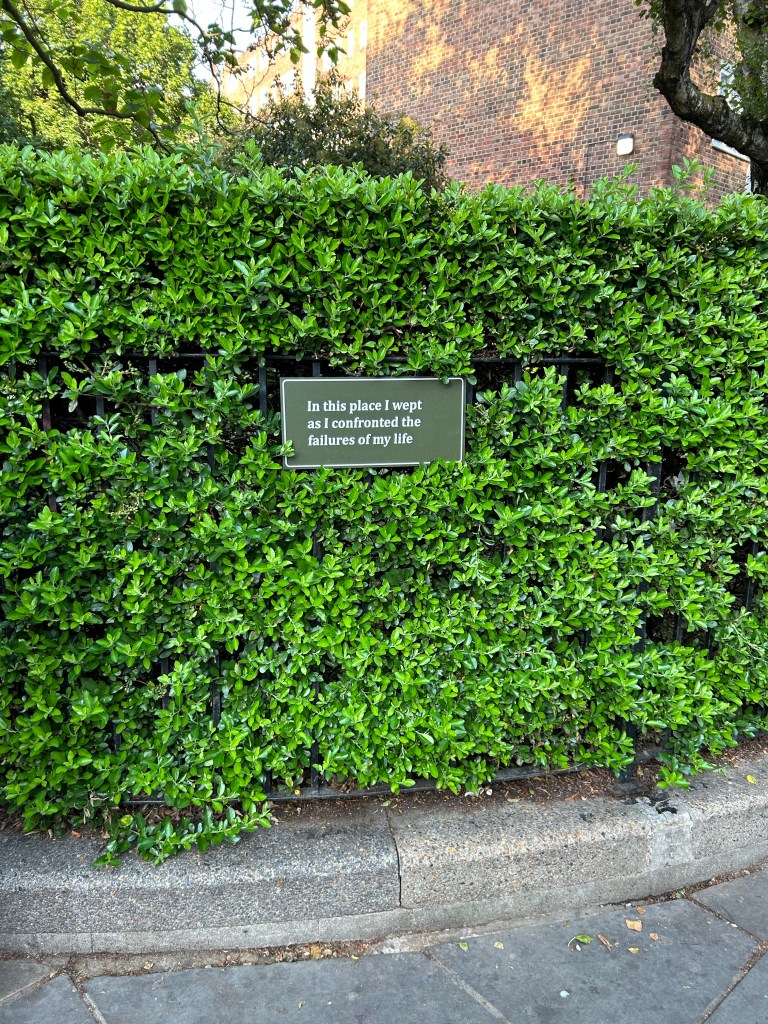
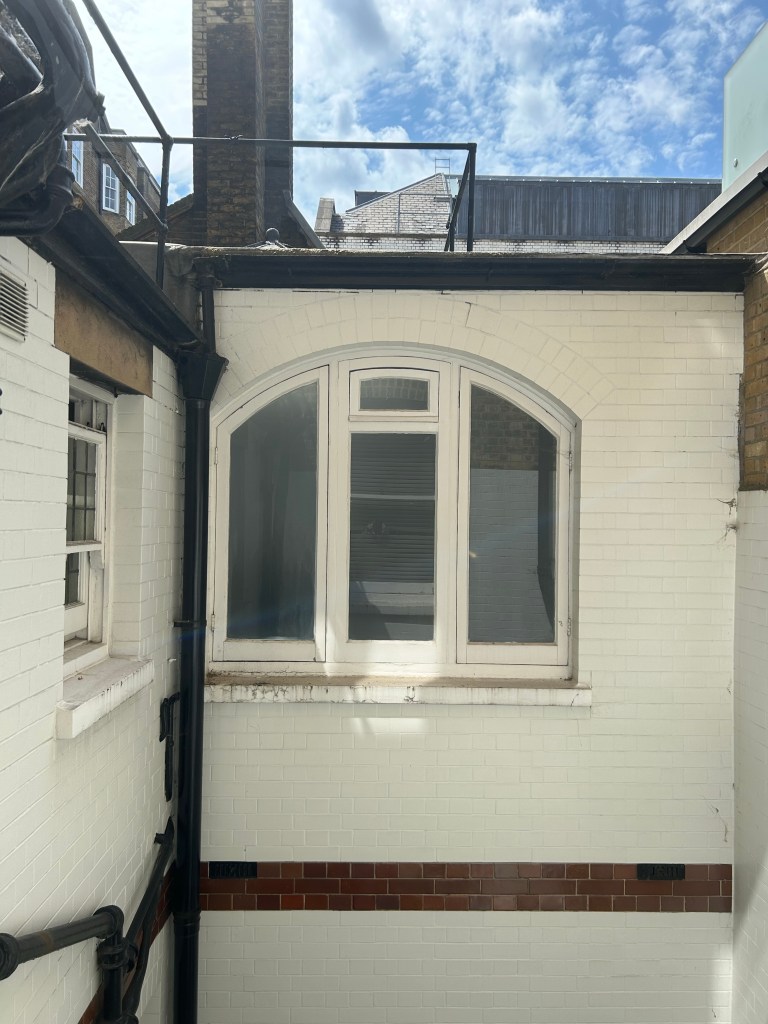
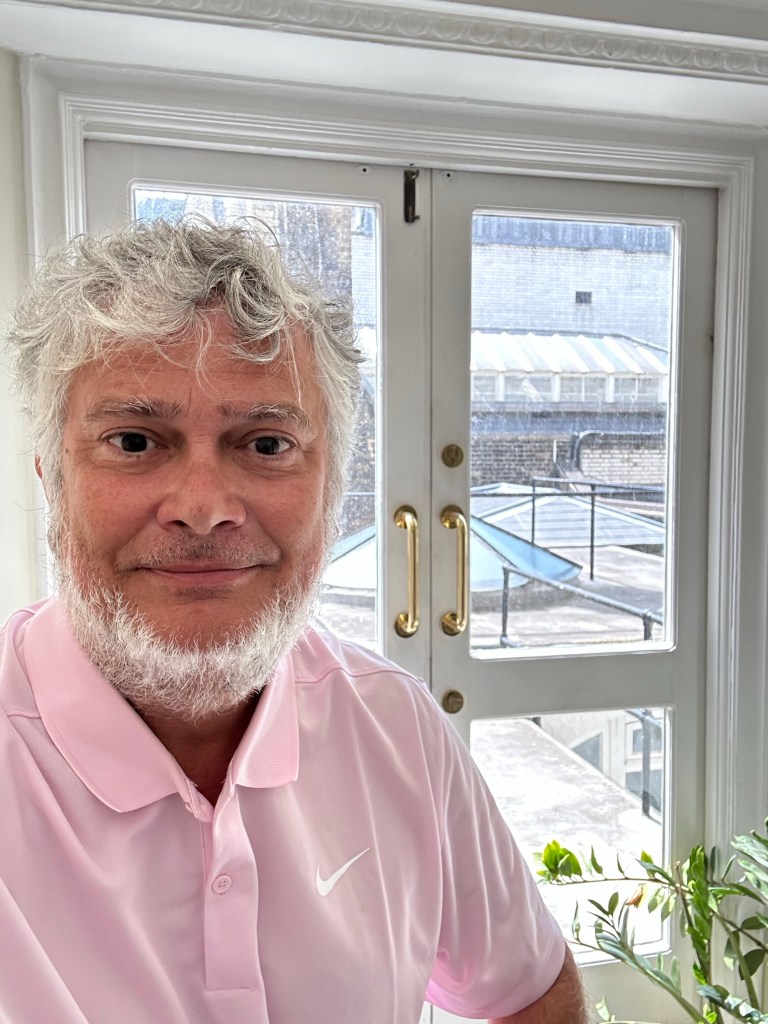
Alas, the confectioner’s business on 30 Wigmore Street no longer exists, but earlier this week, I visited 85 Wimpole Street, and I was even able to step inside the doctor’s former residence. See pictures below:
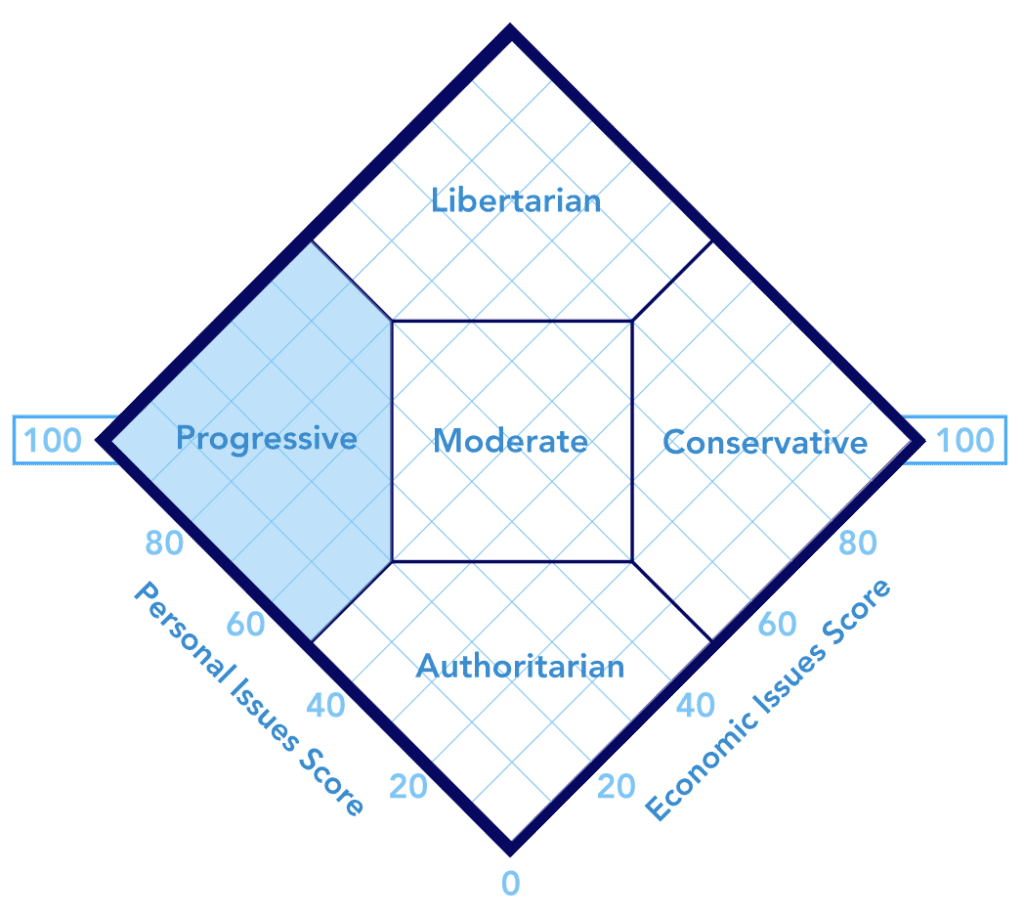
I revised my draft of “Die Adam Smith Probleme” during my train ride from Edinburgh to London, and I have just posted my revised work on SSRN (see here). Among other things, I added two new and related open problems to my growing list of unsolved Adam Smith mysteries. One has to do with Smith’s politics: is Smith really a hardcore libertarian or is he a closet progressive? (Into which quadrant in the diagram below, for example, does Smith best fit?) The other refers to Smith’s concern for the plight of the poor and his views on economic inequality: would Smith be in favor of or opposed to income redistribution?
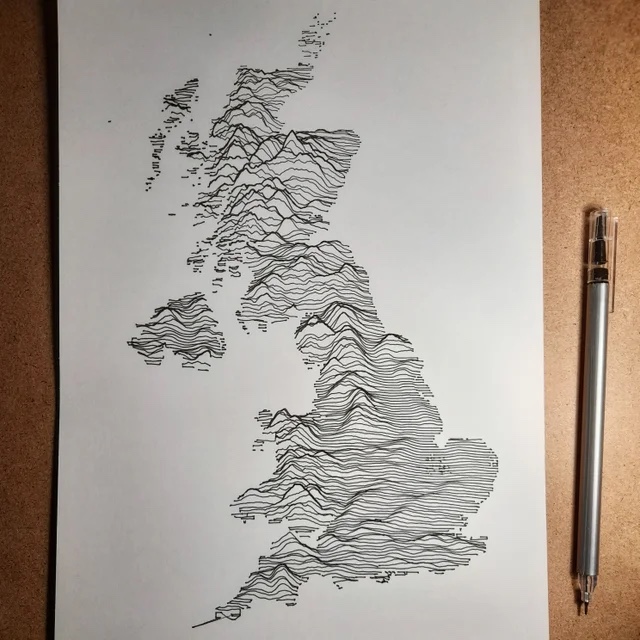
I have posted a wide variety of maps since I began blogging in July of 2013. (See, for example, yesterday’s post.) So, in honor of the upcoming ten-year anniversary of my “Prior Probability” blog, and since I was in Glasgow and Edinburgh earlier this month and am now in London, I am reblogging an eclectic collection of three maps of the United Kingdom from December 2020. Enjoy!
The South America and Scotland legs of my travels are now complete. Next, I will travel by rail to London. Among other places, I am planning to visit 85 Wigmore Street in London’s West End as well as Horace Walpole’s Strawberry Hill villa in Twickenham. (I will describe these visits and explain why I am visiting these places in the next day or two.)
In 1917, the artist Marcel Duchamp pulled off what has to be the greatest prank in art history when the Society of Independent Artists, a group of North American avant garde artists based in New York City (see here), announced a new art exhibition that would be open to anyone who wanted to display their work. After buying a mass-produced porcelain urinal from the J. L. Mott Iron Works company on Fifth Avenue and lugging it to his studio at 33 West 67th Street, Duchamp reoriented it 90 degrees, scrawled “R. Mutt 1917” on his upside-down urinal, and then submitted it to the aforementioned art exhibition.
Was the urinal really a work of art, and if not, who decides what constitutes “art” in the first place? Now, fast forward 100-plus years later. How many law review articles are published each year, and how many of those articles, if any, could be considered valuable works of art? As it happens, last year my colleague and friend Brian L. Frye had sent me a physical copy of his 2021 law review article “SEC No-Action Letter Request“, and I finally got around to reading Professor Frye’s remarkable paper during a road trip in Scotland this weekend. Suffice it to say I was blown away by Frye’s paper on three levels:
Level one: form. Professor Frye describes his 21-page academic paper as a work of “conceptual art”, but like a porcelain urinal, can a standard law review article really be a work of art? Why not? After all, it was Montaigne who elevated the lowly essay to the status of work of art, so why not law review articles?
Level two: substance. In addition to expanding the definition of art to include scholarly research articles, Professor Frye introduces a totally new and thought-provoking idea in his 2021 paper: the possibility of illegal art. What if, for example, Marcel Duchamp had stolen the urinal described in the first paragraph above, or what if he had photocopied a manual on how to make a pipe bomb and submitted it to the 1917 art exhibition?
Level three: self-reference. Last but not least, Frye’s beautiful paper also embodies the problem of self-reference. How? First off, he creates a work of art that arguably constitutes the sale of an unregistered security, i.e. an “illegal” work of art (step #1); next, he drafts and submits a real-life “no-action letter” requesting the relevant regulators to classify his article as “not illegal” (step #2); and then he writes up a formal law review article explaining why this request should be denied(!), which in turn would make his original work (see step #1 above) an even more valuable work of art!
To the point, Professor Frye’s “No-Action Letter” may or may not achieve legal immortality, but he has become the Marcel Duchamp of law reviews!






















 prior probability