A forthcoming law review article on the Constitution’s “disqualification clause” (see here) and various articles in the new symposium issue of the Journal of Free Speech Law on Artificial Intelligence and Speech.
Remember Merlin Mann, the evil mastermind who in the early 2000s conceived of a new method of psychological torture called “Inbox Zero“. Alas, this ascetic concept can mean different things to different people. Does it mean an inbox totally devoid of any emails (i.e. a literal definition), or does it just refer to zero unread emails (see here, for example, for a defense of this more flexible interpretation of the Inbox Zero concept)? However you interpret the meaning of Inbox Zero, what if we could just eliminate email altogether?
With the fall semester now upon us (I begin teaching today! — but I cannot comprehend why college courses in the southeast have to begin in hot and humid August; does it have anything to do with college football?), I am posting the first half of my new A.I.-themed syllabus under the fold below:
This summer, I made substantial revisions to my paper on “Outer Space Auctions“, and I just posted my revised work to SSRN (see here). Among other things, a Canadian colleague had recently brought to my attention an important international organization called the International Telecommunication Union (ITU), which plays a pivotal role in the allocation of property rights in outer space; see here, for example. Specifically, once the FCC has parceled out an orbit for a satellite, it must then submit its proposed orbit and radio-frequency allocations to the ITU in accordance with the provisions of the international treaty governing the use of radio frequencies, called the Radio Regulations. The ITU not only allocates radio frequencies for every radio-transmitting or radio-receiving satellite in outer space; it also records these allocations in a Master International Frequency Register or MIFR. In addition to allocating radio frequencies in outer space, the ITU also allocates orbital positions for GEO satellites as well as orbital characteristics for non-geostationary satellites in order to avoid signal interference among different satellites in outer space as well as “guarantee equitable access to spectrum and orbital resources for each country.” So, why not auction off those orbits instead of giving them away for free?
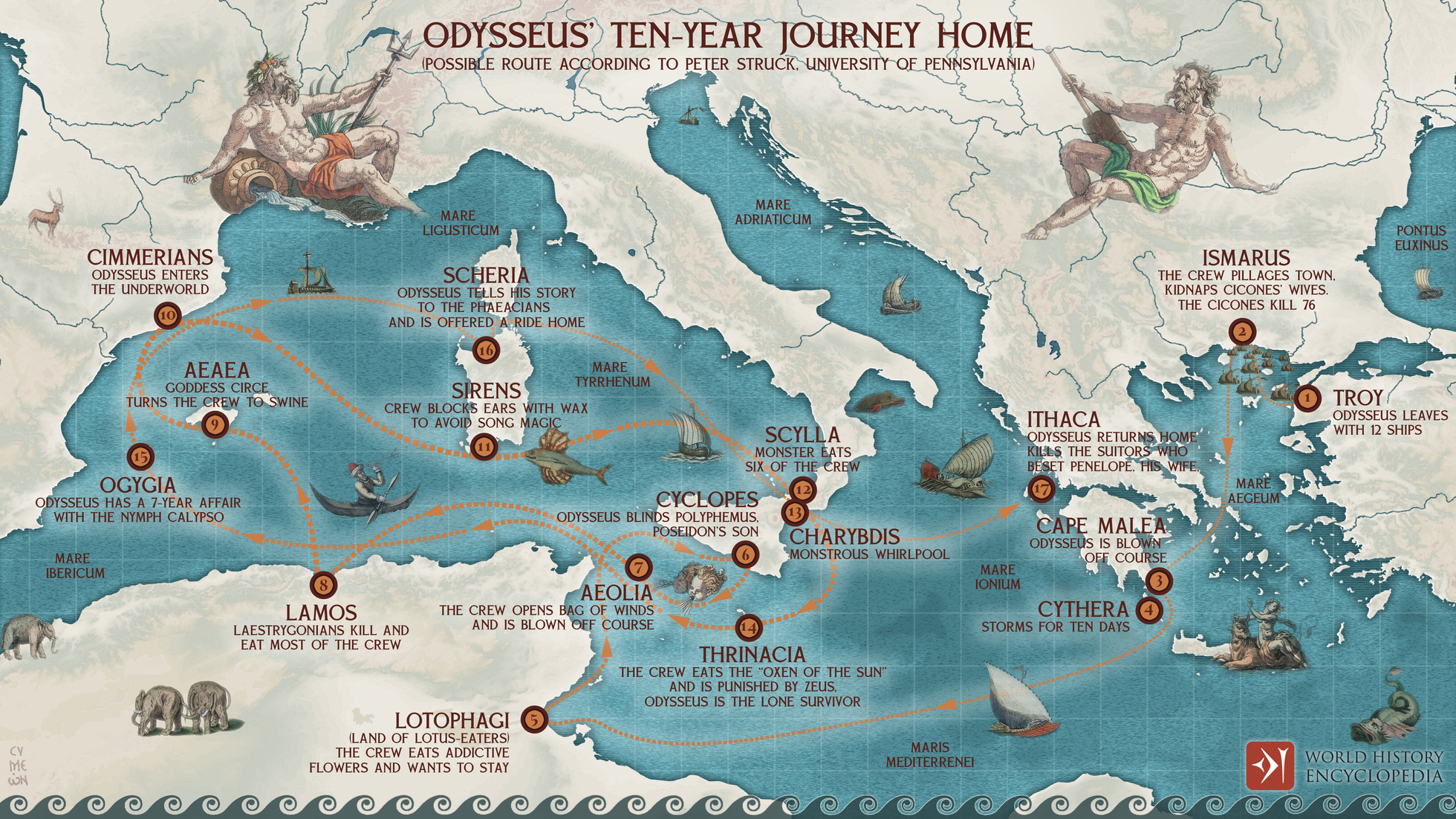
Note: I found this fanciful map on the reddit thread r/MapPorn, one of my favorite subreddits. (Here are a few others.) One commentator (u/albardha) notes: “The character of Odysseus might be fictional and never actually done that journey, but some of the choices of locations match with Greek colonizations after Bronze Age collapse, so it’s possible who wrote down the bardic stories matched them with real-life locations known at the time, likely for political propaganda purposes.”
I mentioned in a previous post that I am a college professor who teaches an undergraduate survey course in business law and ethics. Before proceeding, however, I should explain that I always choose an overarching course theme from the world of popular culture in order to grab my students’ attention and spark their intellectual curiosity. In previous semesters, for example, the pop culture themes of my courses have included the award-winning film The Social Network about the founding of Facebook and the hit Netflix documentary Tiger King, which I assigned during the dark days of the global pandemic. This semester, the theme of my survey course will be “A.I. and the ChatGPT Revolution,” so my micro-essay consists of the following thought-provoking question:
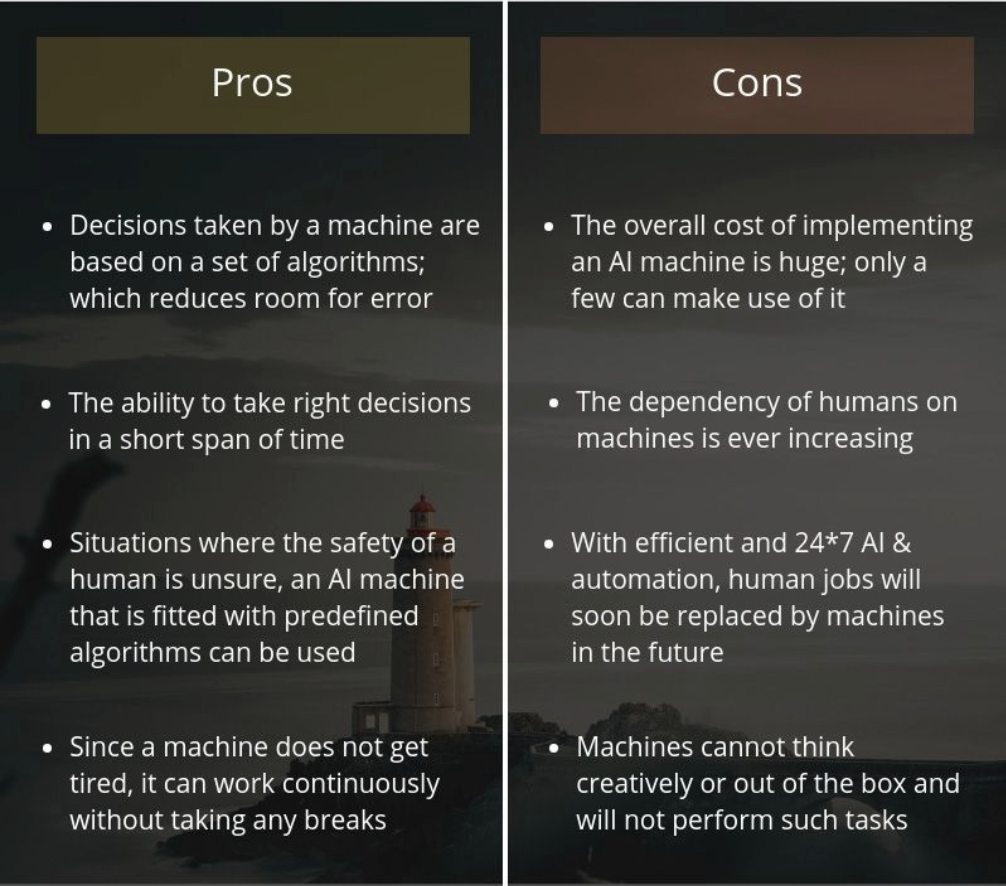
“What excites you the most about A.I.? Also, what scares you the most?”
As promised, I am sharing the second half of my new ChatGPT-themed survey for my upcoming business law course this fall. (The first half is posted here.) The second half of this graded survey contains four additional questions, all of which are posted below the fold: