Are any of these alleged conspiracies real? More to the point: why do some (many?) people believe so? However those questions are answered, what if there were a truth market where people could place bets on the truth values of any given conspiracy theory? That is precisely what I propose in my latest work-in-progress “Truth Markets”, which is available here.
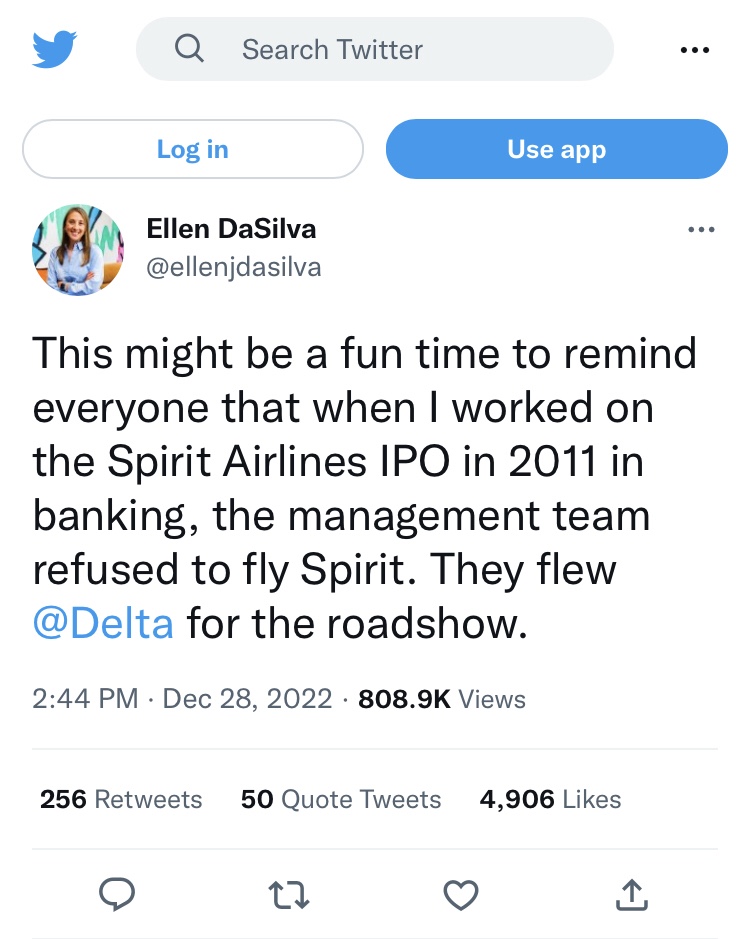
I have been meaning to share this particular tweet since last month (hat tip: Gary Leff). Full disclosure: Admittedly, I have never flown Frontier, but did I make the mistake of flying the god-awful Spirit Airlines last summer because they offered the only direct flight to Bogota from Orlando. Never again. See also: this.
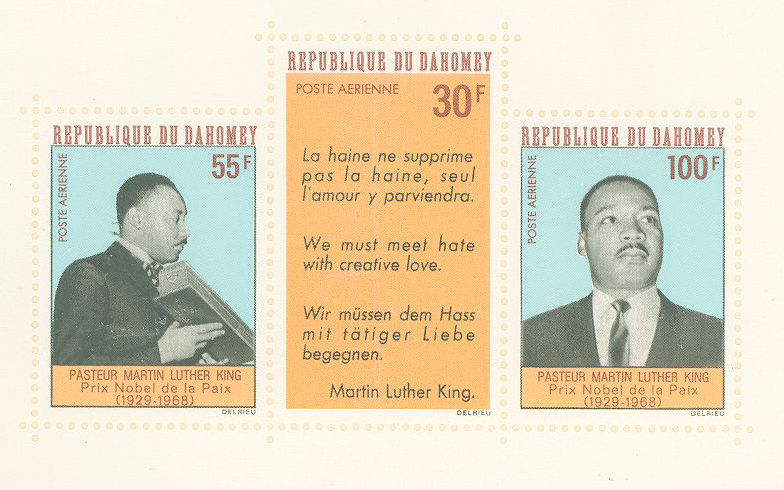
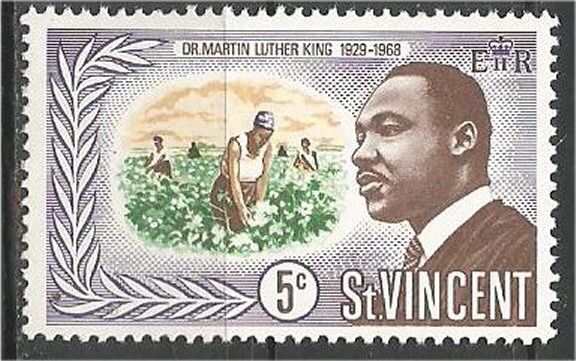
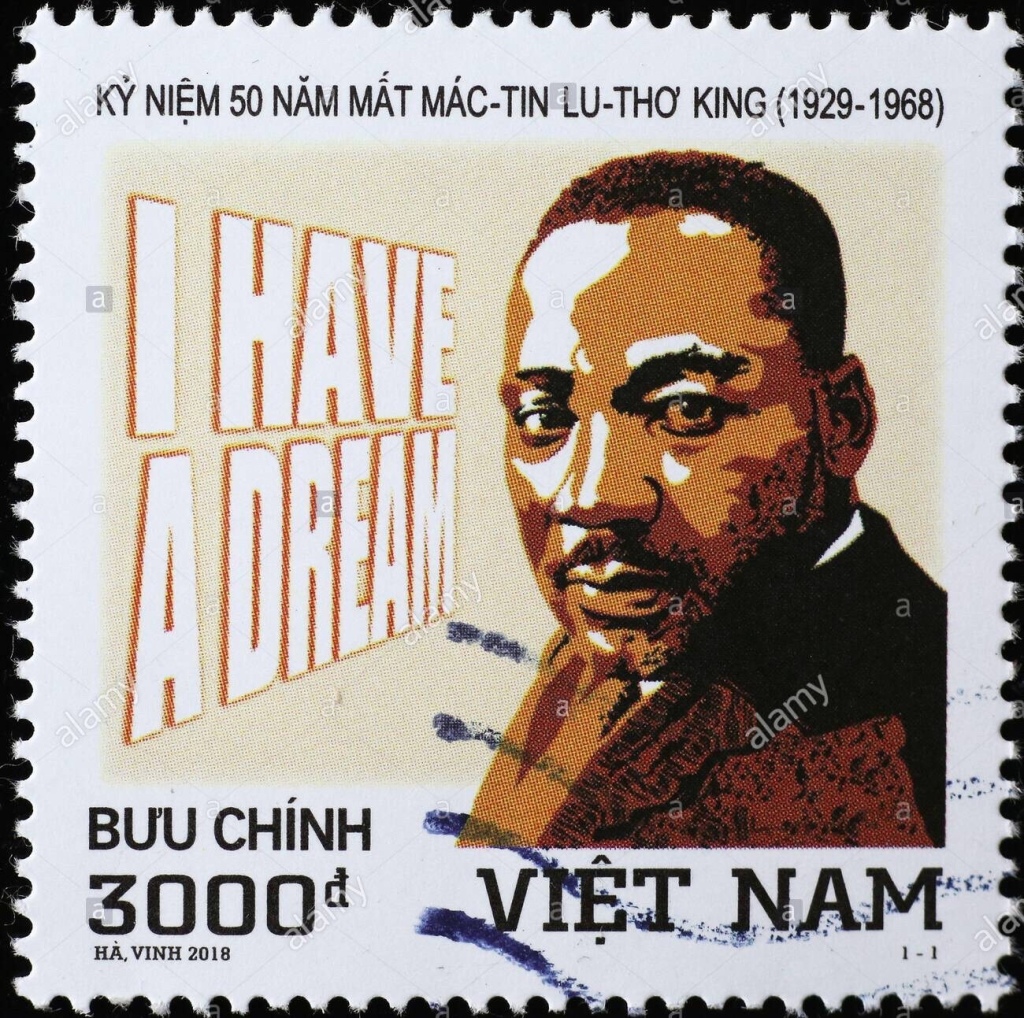
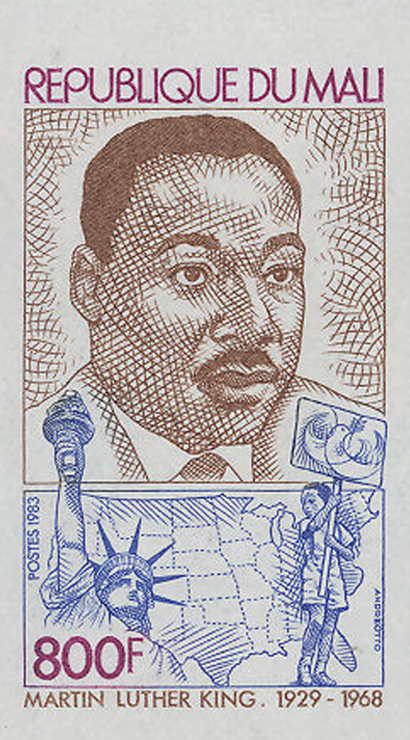
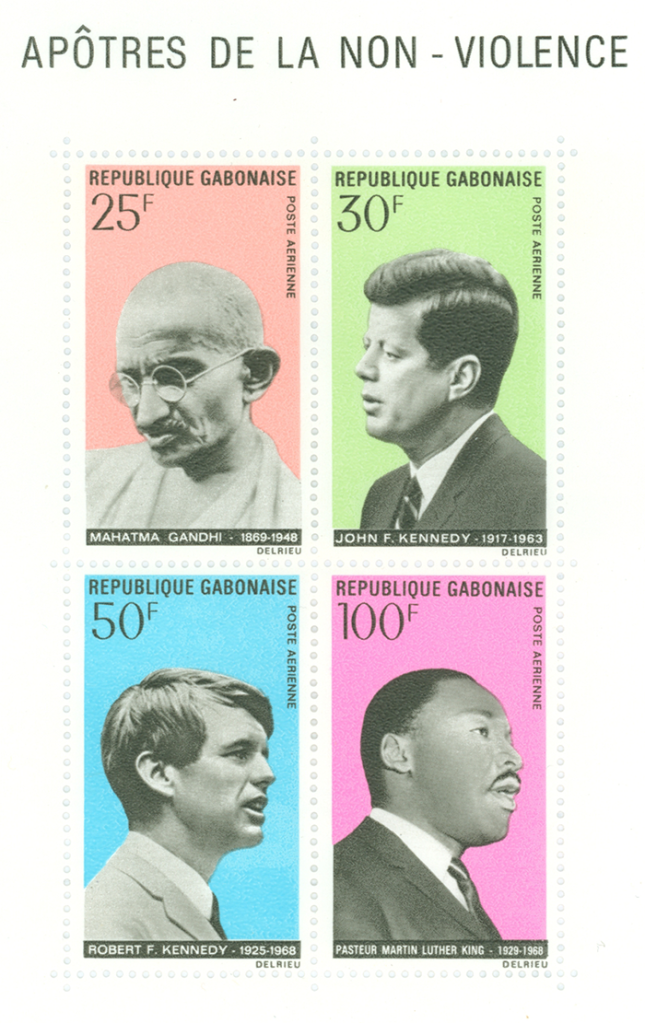
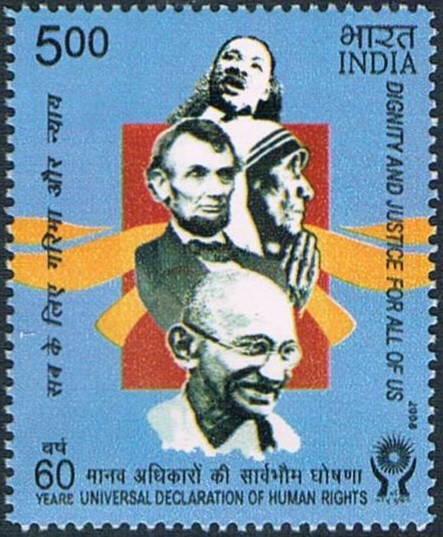
To commemorate the Dr. Martin Luther King Jr. holiday, I am reblogging my MLK post from 2021, which features MLK-related postage stamps from around the world.
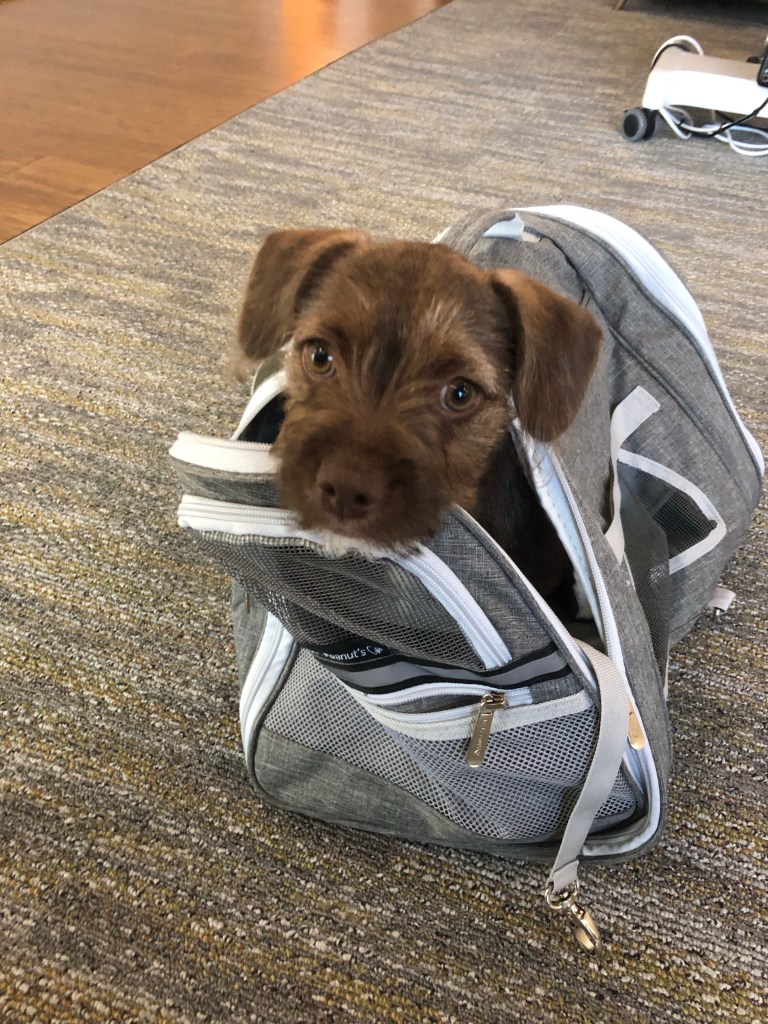
I have had my hands full this holiday season (Las Octavitas). My youngest daughter Adys Ann received this adorable puppy, who she has named Nugget, on Three Kings Day.
I teach a survey course on the legal and ethical environments of business, and one of the most challenging aspects of teaching such a course is that business law encompasses almost every area of law. At the very least, however, a college course in business law should address two high-level questions: (1) what is the relation between law and morality? (after all, my course is literally called “the legal and ethical environments of business”), and (2) what is the most important feature of the “legal environment” in which firms, employees, and entrepreneurs make decisions and interact with each other? With respect to this second question, I would argue that the “rule of law” is an important aspect of the legal environment of business, but this observation, in turn, poses two further questions: (3a) what is the “rule of law”? and (3b) why is it important, especially to business? To address these key questions, I am asking the students in my honors section to read “The Rule of Law” by Tom Bingham during the first third of the semester. (According to Wikipedia, Bingham was an eminent British judge and the greatest lawyer of his generation.) Starting late next week, I will begin writing up and posting a chapter-by-chapter review of Bingham’s classic book.
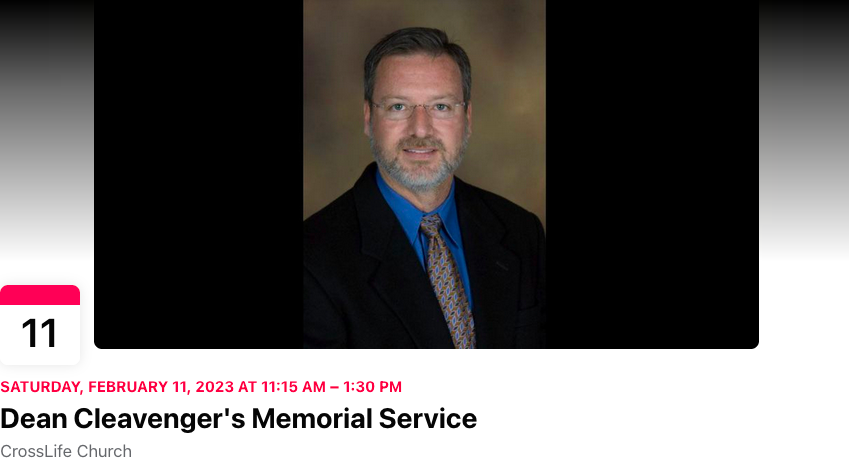
I confess that I am still in tears whenever I think of my colleague, mentor, and friend Dr Dean Cleavenger. Suffice it to say that Dean was one of only three colleagues in my 25-year teaching career who really wanted to get to know me and become my friend. His memorial service (see here) will begin at 11:15 AM on Saturday, 11 February, at the CrossLife Church on 45 W. Broadway Street in Oviedo, Florida.
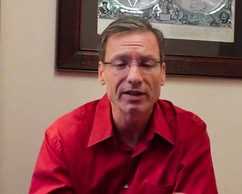
My previous post highlighted some of the scholarly work of my colleague, mentor, and friend Dr Dean Cleavenger (1966 – 2022). Today, to give you some idea of Dean’s warm and inviting personality as well as his teaching style, I am sharing one of his videos on the topic of fear:
To honor the memory of my late colleague, mentor, and friend Dr Dean Cleavenger (pictured below), I want to share some of Dean’s scholarly work with my loyal followers. In addition to being a full-time lecturer (UCF), Fulbright scholar (Romania), and business owner (MidKnight Solar), Dean had developed a cutting-edge and interdisciplinary research agenda. Among other things, he made original and significant contributions to the study of neural networks (see here) and employee behavior (here and here). His most cited work, however, explored the “meaning of work” of the logic of “transformational leadership” (see here and here). But my personal favorite Dean Cleavenger paper by far is still his work on “The Buy-In: A Qualitative Investigation of the Textbook Purchase Decision“, which was co-authored with Brendan Richard and Valerie Storey and was published in the Journal of Higher Education Theory & Practice in 2014. This fascinating paper explores the timing and inner logic of college students’ decision-making process regarding textbooks. Specifically, why do some students delay or decide not to buy an assigned textbook? Among other things, Dean and his colleagues found that students make textbook purchase decisions “in a surprisingly well-thought-out and complex manner,” and they conclude their textbook-decision paper with the following frank and surprising observation: “Unbeknownst to the researchers prior to this study students are engaging in a long drawn out purchase decision-making process that encompasses all five stages of Dewey’s [critical thinking] model ….” Touche’!
Beyond his scholarly work, Dean was also my friend and mentor. I will share some personal reflections about Dean’s life in my next post.
I received some somber news today (10 January): “As we begin the spring semester, I am sad to write that we’ve learned our former colleague Dean Cleavenger passed away Dec. 10. Dean was on faculty with us for from 2007-21, teaching our core management course as well as in the graduate and MBA programs. He was a great colleague and good friend to many. He was well respected by his students and known for his engaging and humorous storytelling. He had his Ph.D. from Ole Miss and was a Fulbright Scholar and an entrepreneur. He is survived by his children, Samuel and Maggie Cleavenger.” This short notice doesn’t even begin to do justice to Dr Dean Cleavenger’s legacy as a teacher and scholar, and his death is especially poignant because I not only knew Dean personally since the fall of 2014 (we both taught “lecture capture” courses at our home institution and met for lunch almost every month); I am only two years younger than Dean. I will post an elegy to my fellow scholar and friend soon; in the meantime, I found this touching tribute written by Dean’s son Samuel.
Dean Cleavenger (3 November 1966 – 9 December 2022)
Today (9 January) is the first day of my spring semester, so I am busy updating my syllabi and catching up on old emails; in the meantime, I am reblogging below this 2019 song by dj poolboi.