On this day (21 December) in 1913, the now-defunct New York World published the first “word-cross” puzzle. That particular puzzle, which is pictured below, was created by one Arthur Wynne (see here and here), and according to Wikipedia, an illustrator later reversed the “word-cross” label to “cross-word.” The New York World closed down in 1931, but the crossword puzzle lives on!
Would the world be a better place without the Internet? Or at the very least, what if we all voluntarily refrained from using the Internet during the holidays?
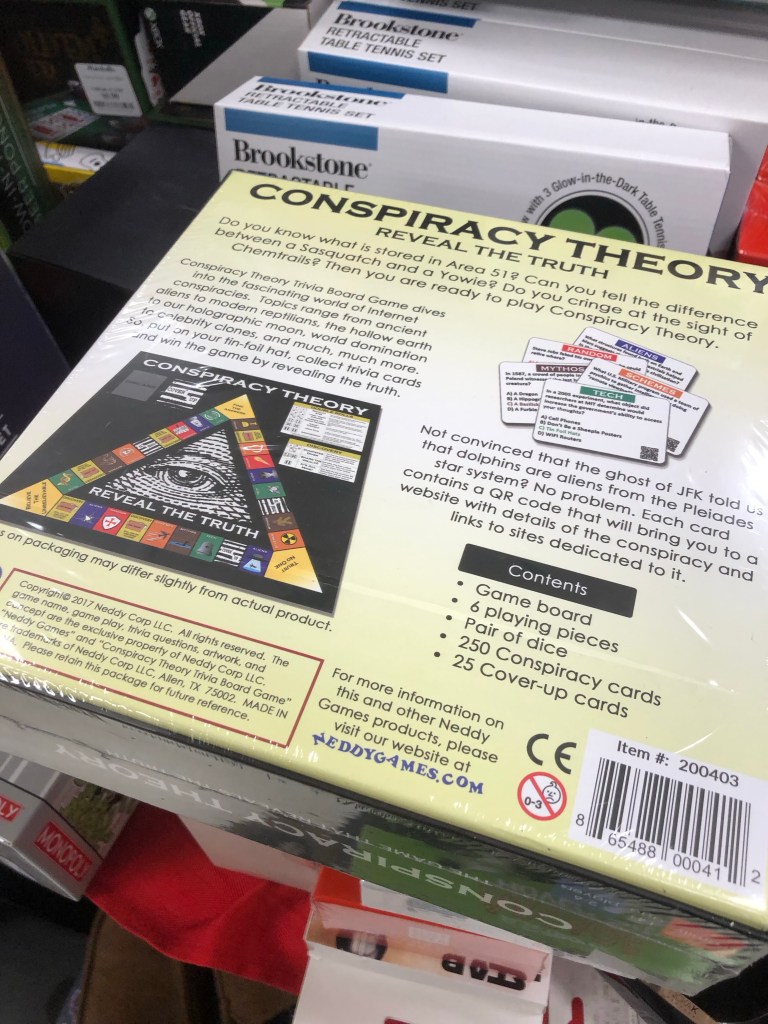
Among other things, this board game includes 250 Conspiracy Question Cards, 25 Cover-up Cards, and an instruction booklet, “unless the Illuminati took them.” What are you waiting for? Order yours here today!
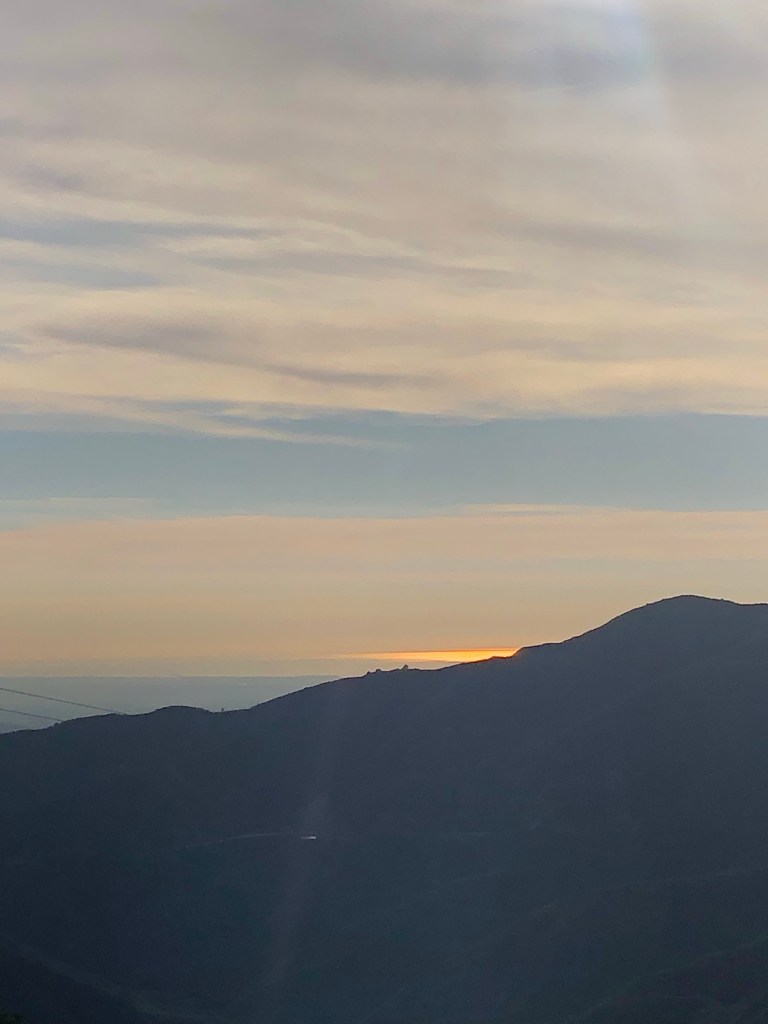
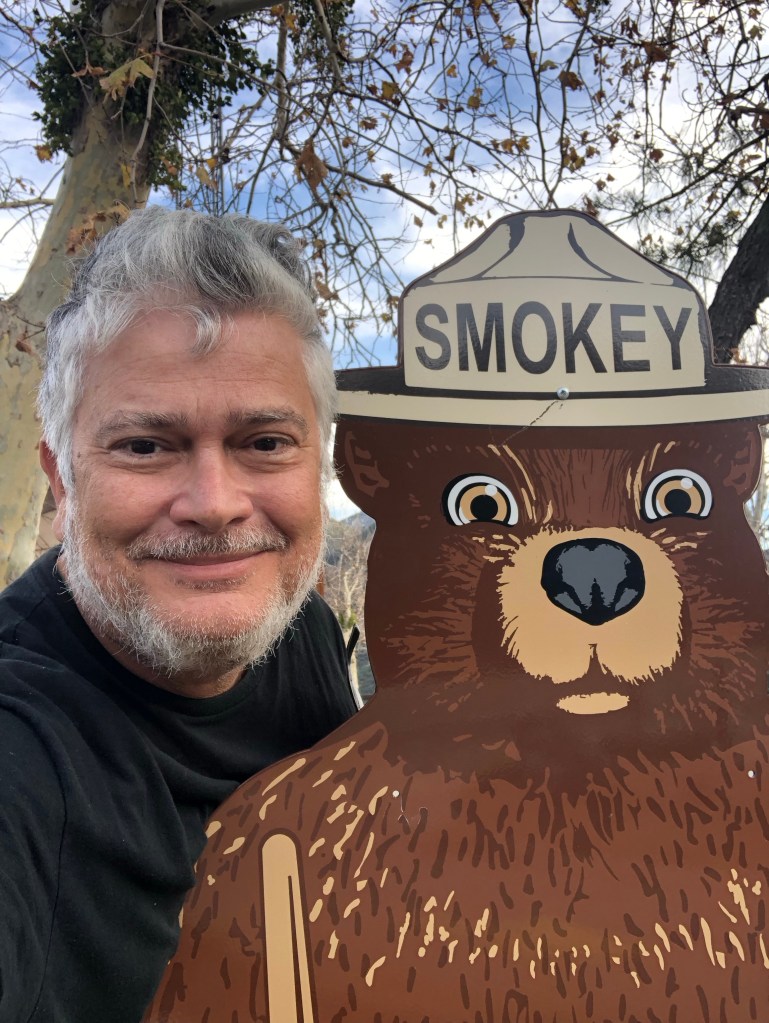
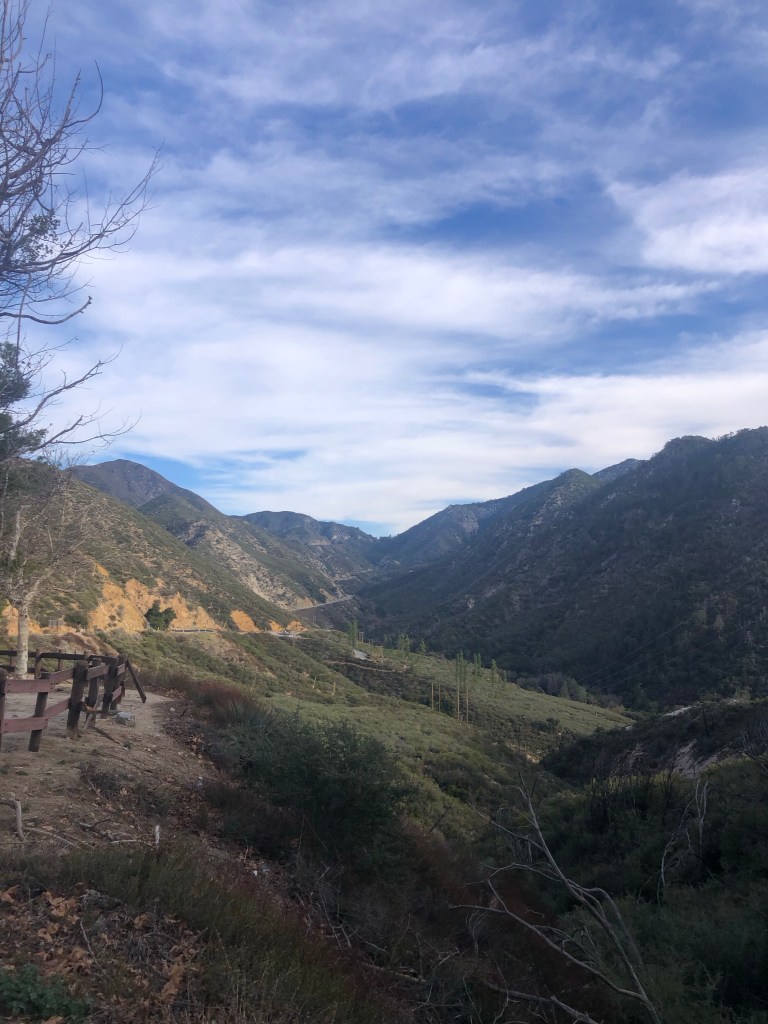
My father Don Francisco, my son Kleber Enrique, and I went off the beaten tourist path and visited the Angeles National Forest on Friday 12/16, one of the best places to visit in Los Angeles. Pictured below are some snapshots of our visit.
I mentioned in my previous post how no one at Derek Thompson’s Progress Summit, which took place earlier this week in Los Angeles, bothered to define what they meant by “progress”–no one but Astro Teller that is. Among other things, Dr Teller explained how his idea of progress is informed by his work at X, Google’s secretive moonshot factory. (According to its website: “X is a diverse group of inventors and entrepreneurs” whose goal is to solve “the world’s most intractable problems, not just 10% improvement.”) To be successful at X, Teller explained, you not only have to be open to new ideas; you also have to be willing to discard those ideas when they don’t pan out.
In other words, progress is a process of elimination! At one point, for example, Dr Teller said something to the effect, “We have to redefine our sense of victory as learning–that’s progress.” According to this more modest view of progress, “progress” (small “p”) is about learning to decide which ideas to explore further, i.e. figuring out which ideas and potential solutions are not worth pursuing and then “composting” (Teller’s apt term) those discarded ideas. But my most memorable take-away was Dr Teller’s version of the Day of the Dead tradition in Mexico, my favorite day of the year. He and his team at X not only honor their deceased ancestors; they also celebrate all their discarded ideas.
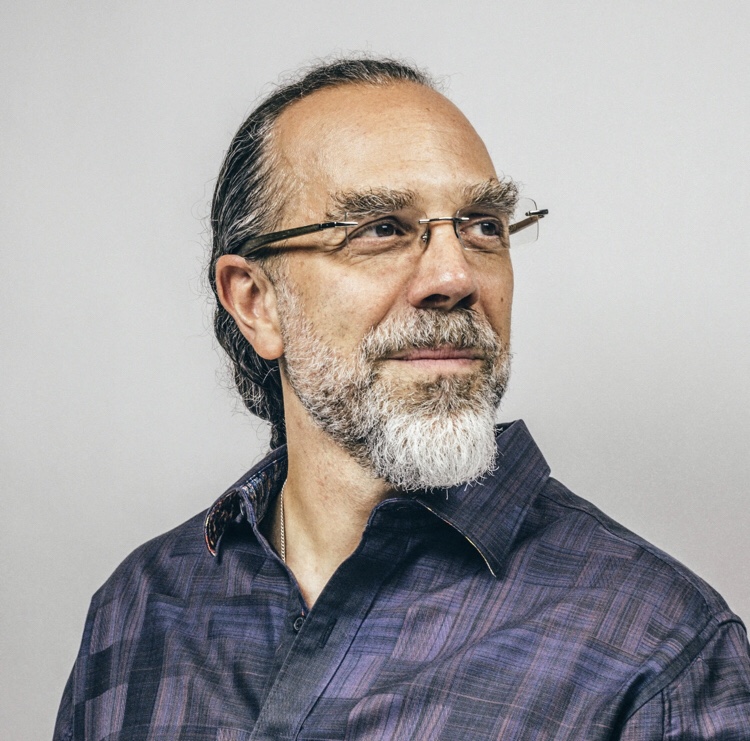
What is “progress”? I attended The Atlantic’s first-ever “Progress Summit” this week hoping to get a straight answer, but, ironically, no one at the conference made any attempt to actually define the concept of progress! Perhaps progress is synonymous with economic growth, but if so, how should we balance the inevitable tradeoffs between economic and environmental goods without resorting to trite incantations or magical wands like “sustainability”? (Alas, this litmus test would have disqualified most of the invited speakers at the Progress Summit.) As it happens, the speaker who came the closest to providing a non-tautological definition of progress was Astro Teller (pictured below), the CEO of X, Google’s secretive “moonshot factory”. I will share Teller’s conception of progress in my next post.
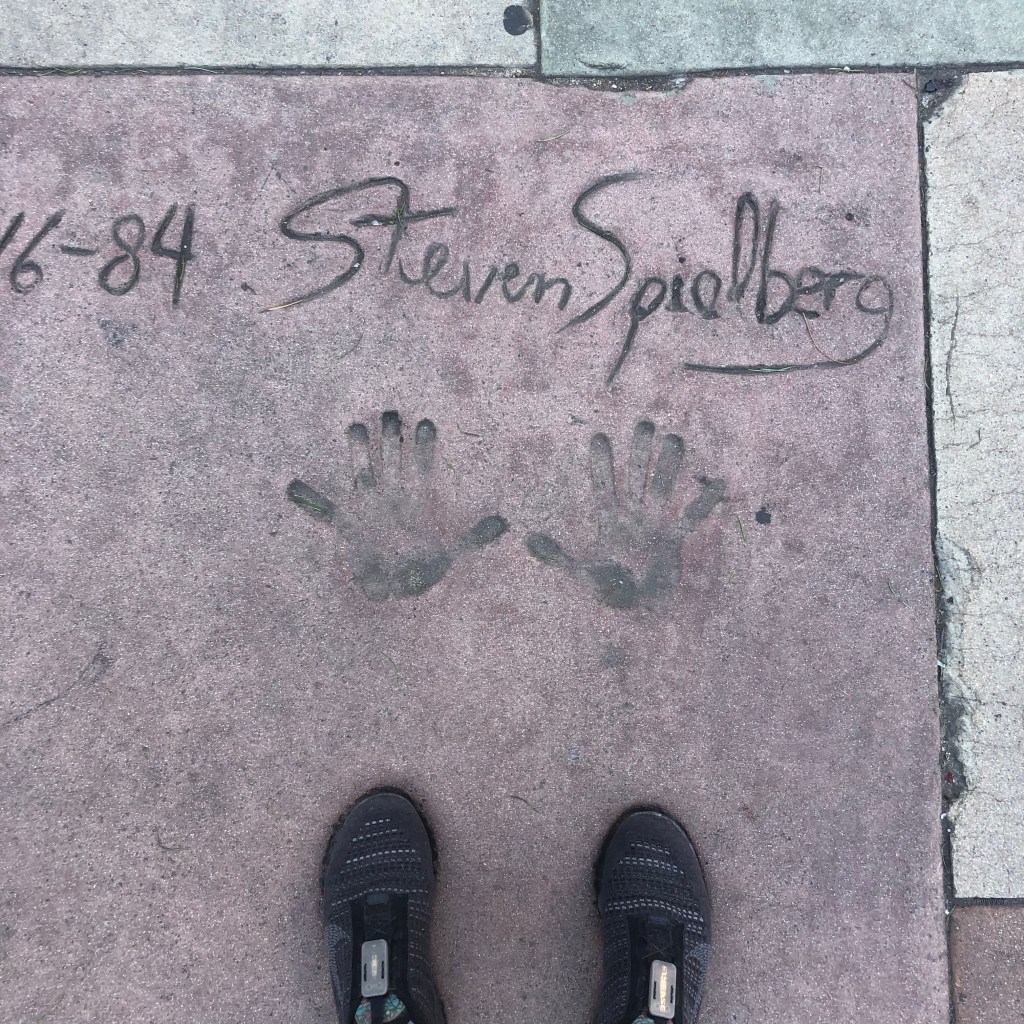
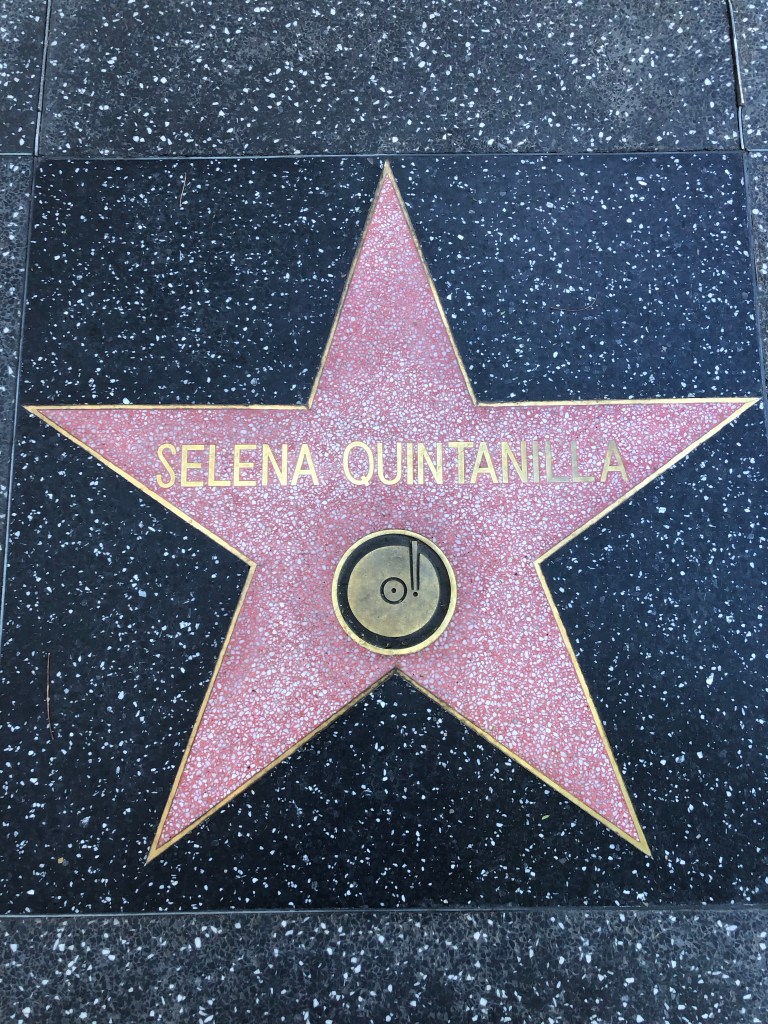
The Atlantic’s first-ever Progress Summit took place at the NeueHouse in Hollywood, where the original CBS Studios in Los Angeles were located. (The Neuehouse was also world’s first structure built intentionally for television broadcast.) I invited two of my college-age children, Kleber and Aritzia, to tag along. Below are some pictures of our Hollywood sojourn:
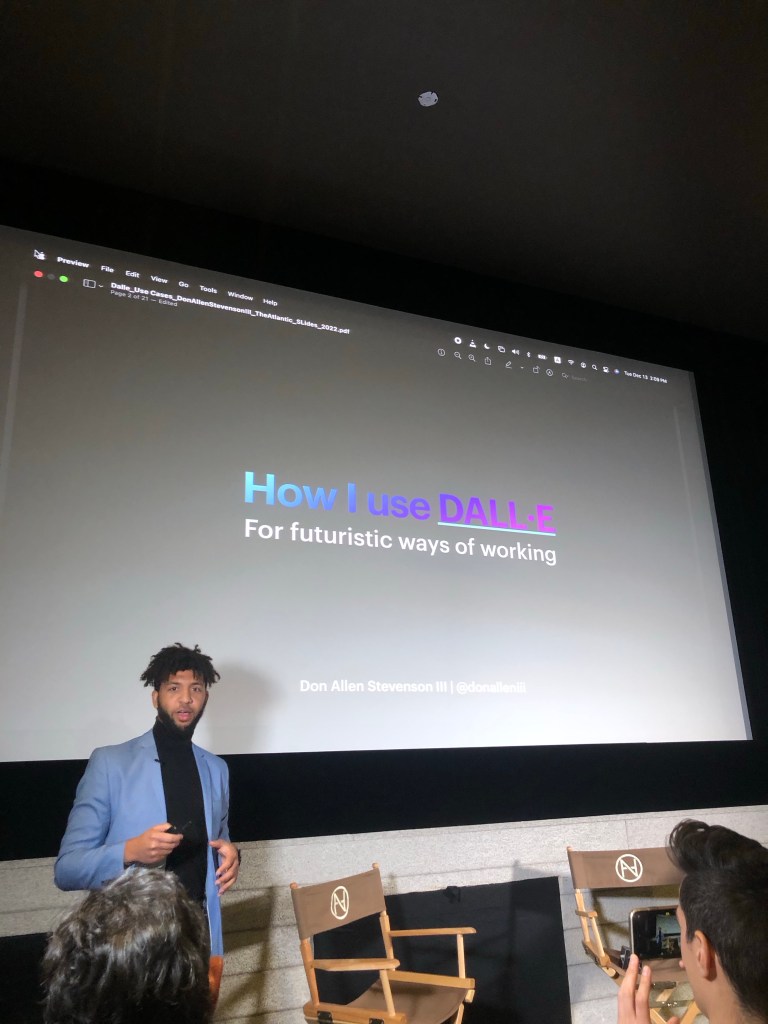
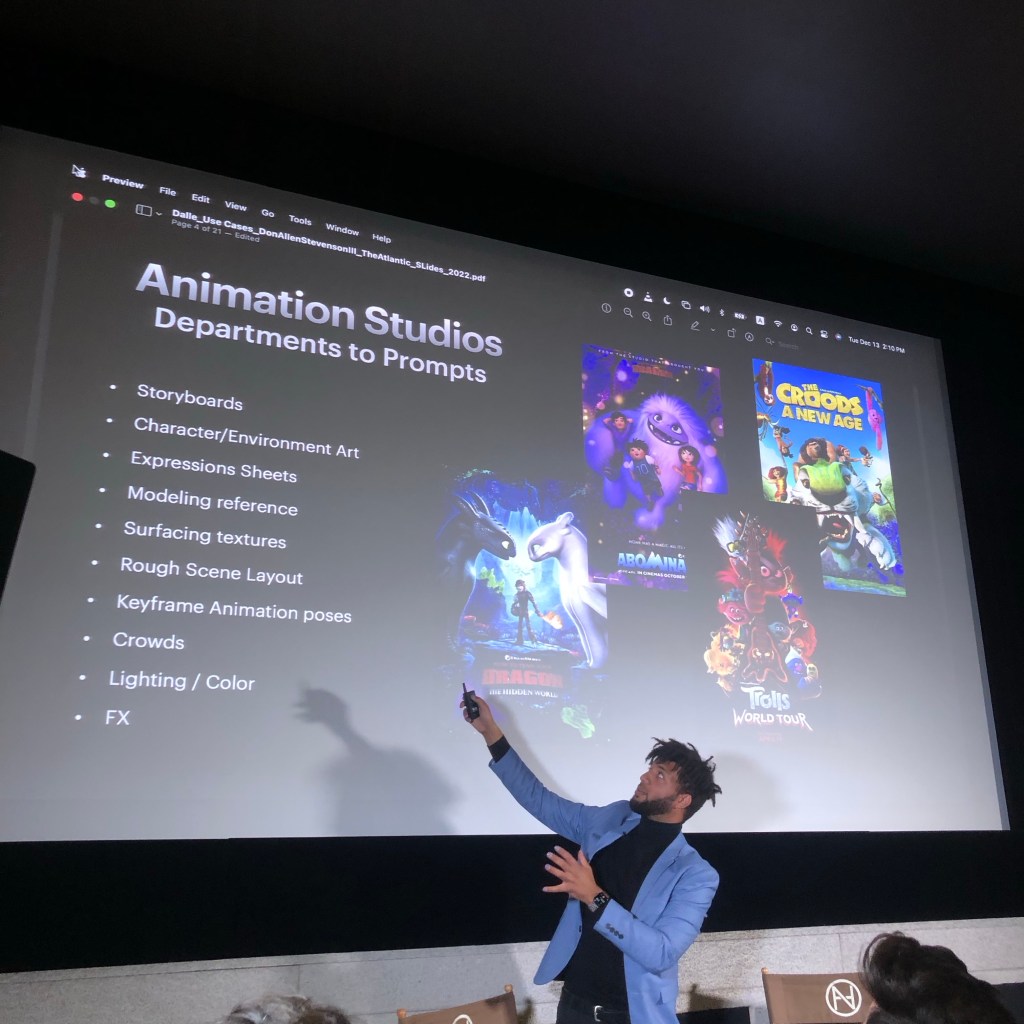
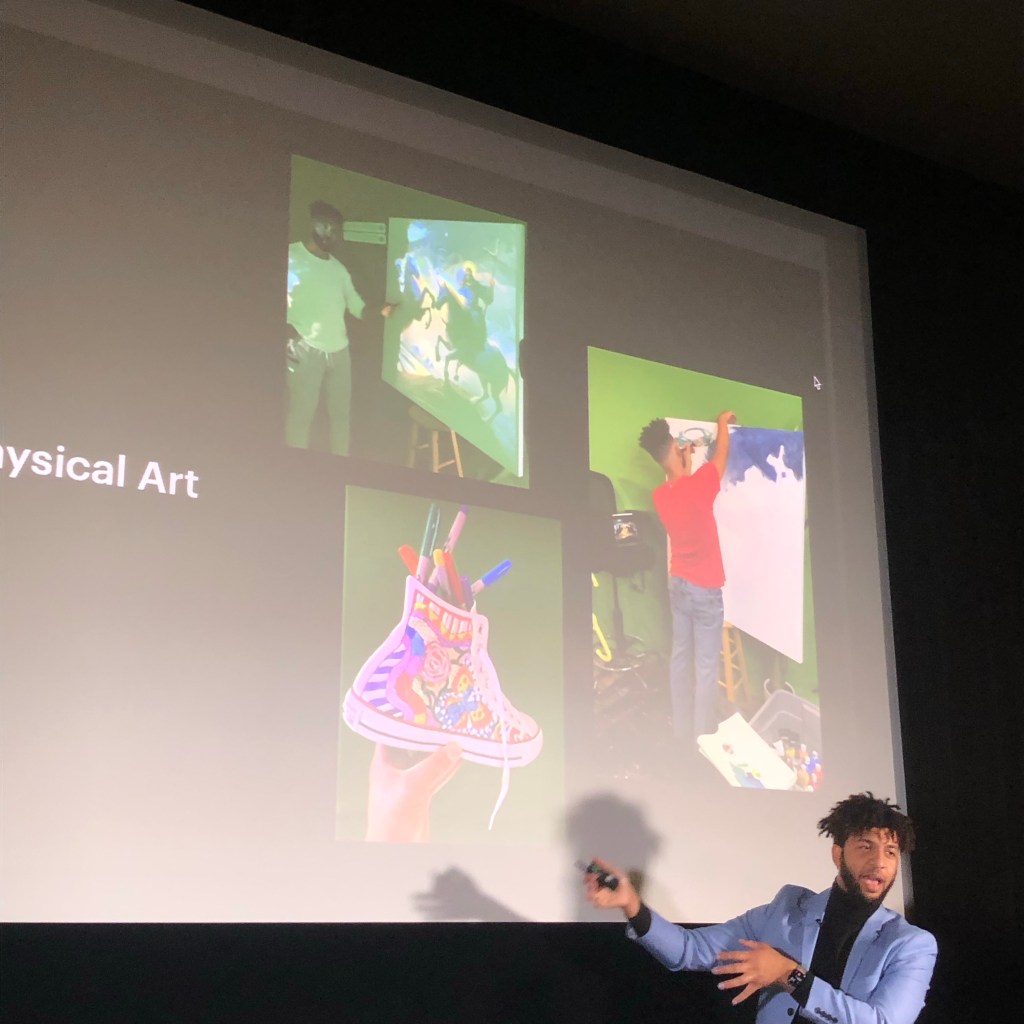
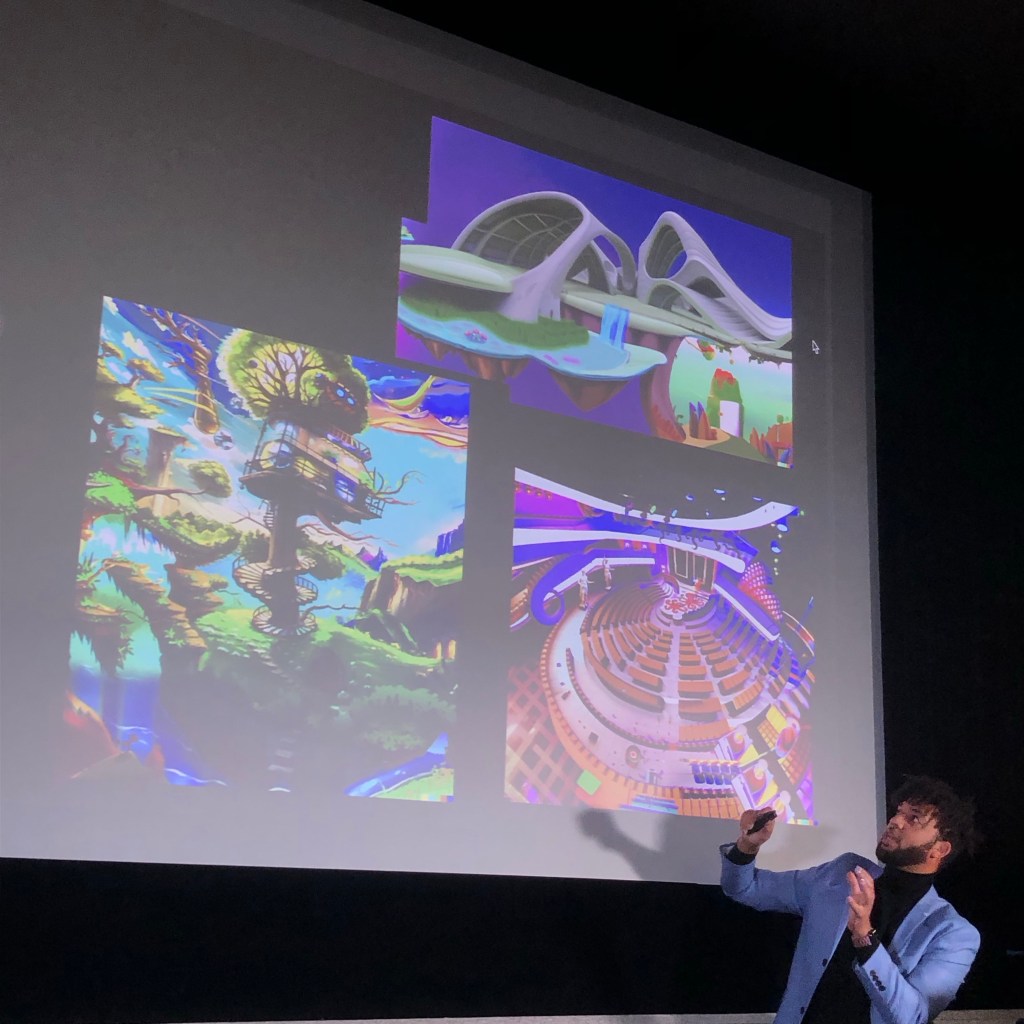
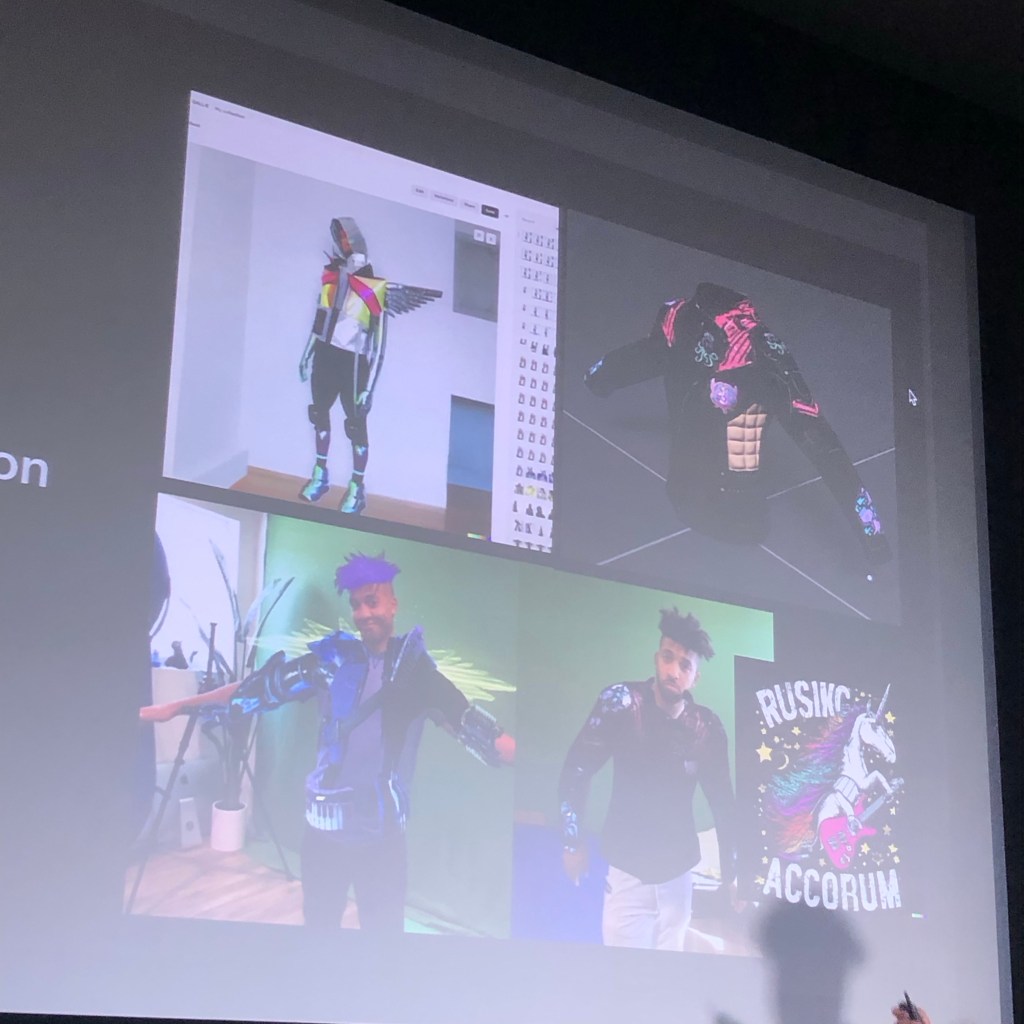
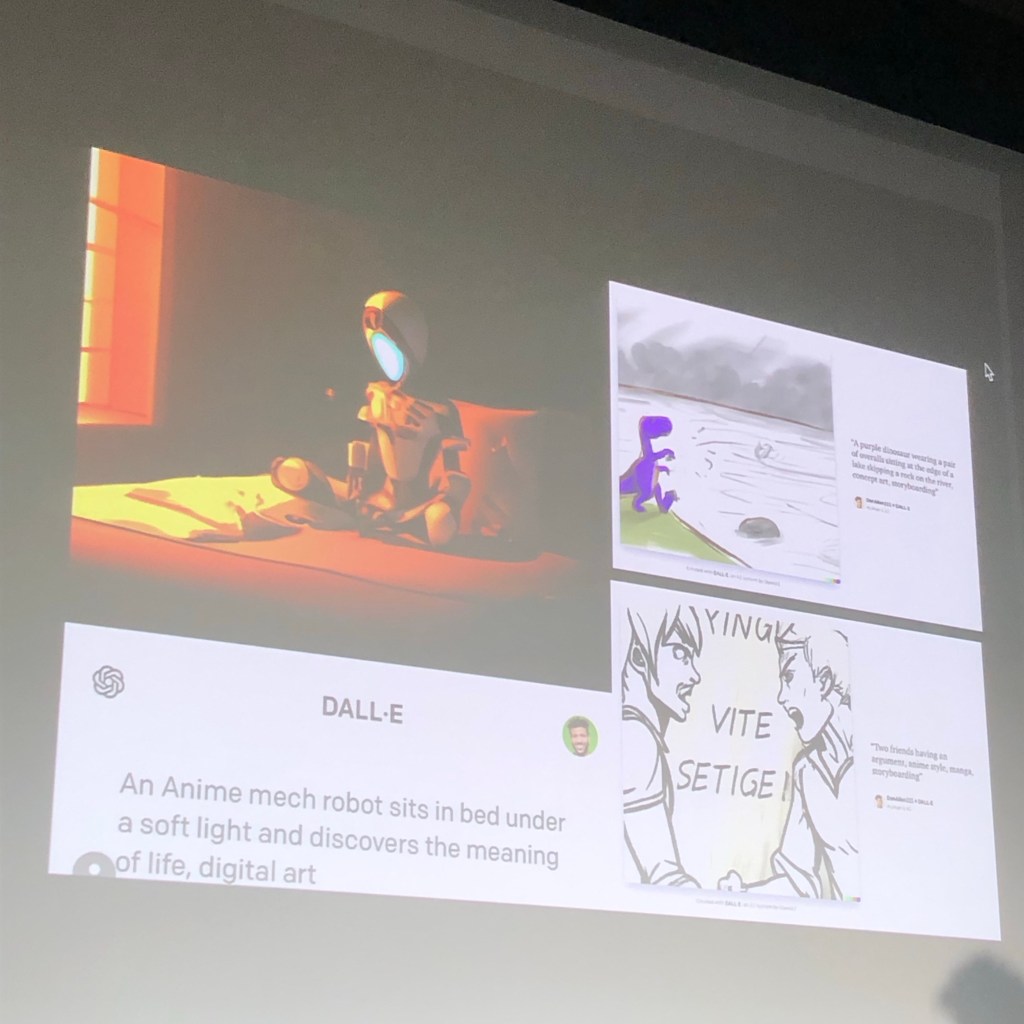
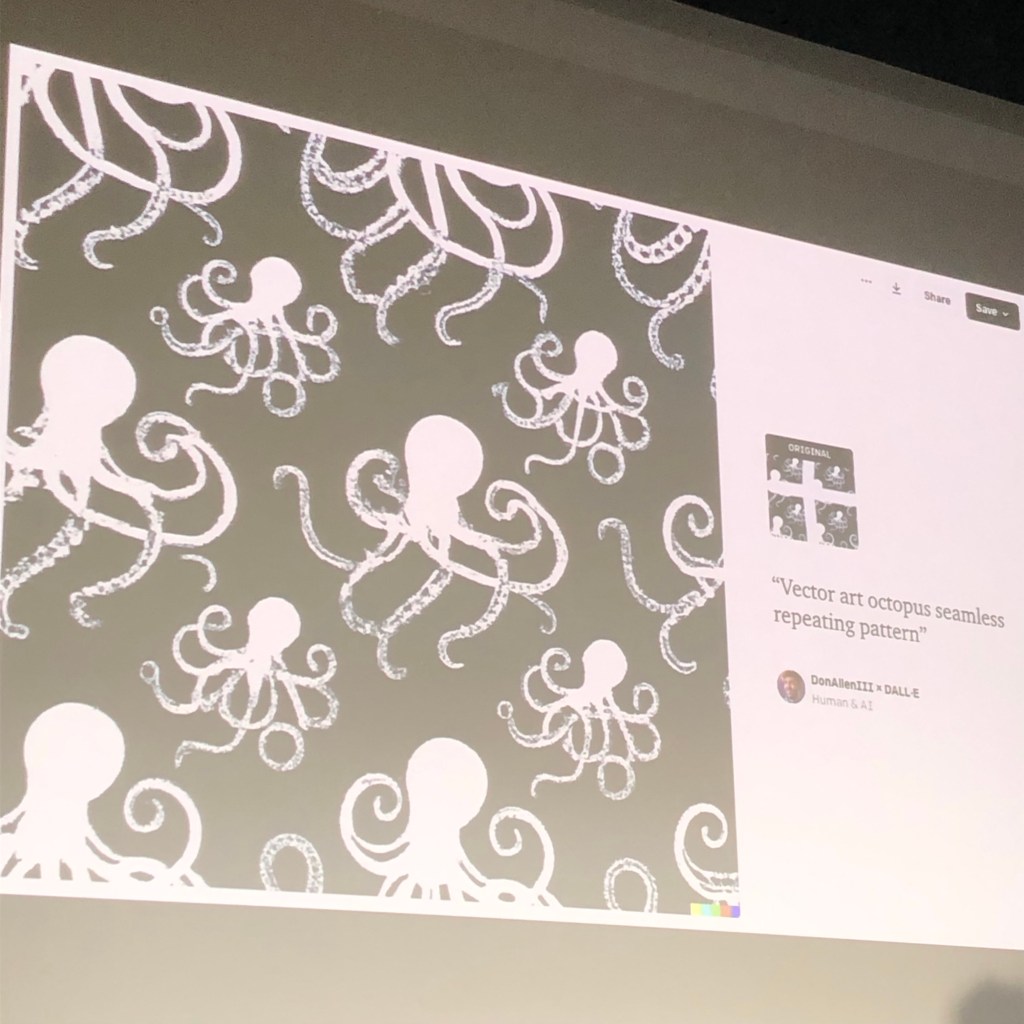
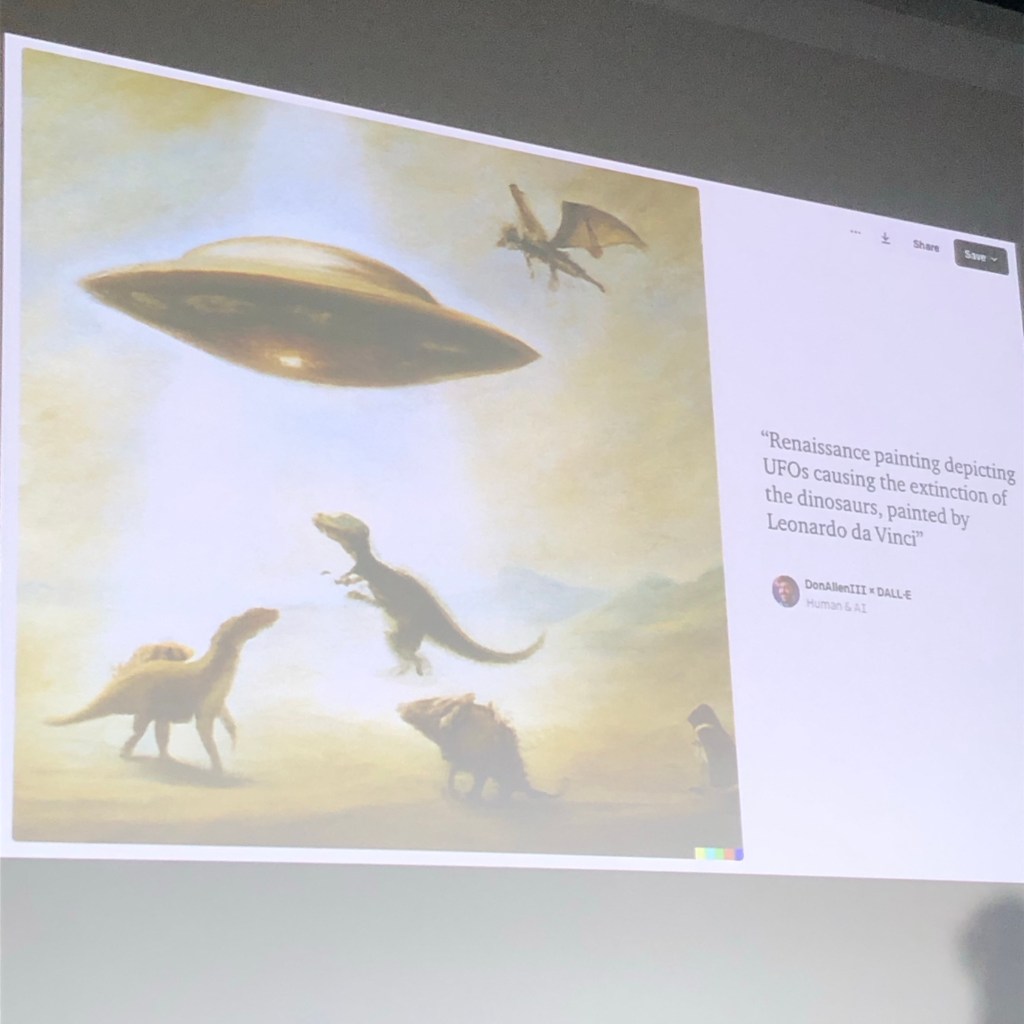
One of my favorite parts of Derek Thompson’s Progress Summit was the session on “How Artificial Intelligence Can Revolutionize Art and Creativity“, where Don Allen Stevenson III (pictured below) demonstrated “DALL·E 2” (see here), a new AI platform that can create realistic images and art from a description in natural language. I also liked Astro Teller’s talk on “moonshots”, which I will discuss further in my next post; in the meantime, below are some highlights from Mr Stevenson’s talk.
According to this report via Business Insider (see also the Tweets posted below), it looks like Elon Musk has secretly attempted to “shadowban” (i.e. censor) a popular Twitter account called @ElonJet, which tracks the movements of Musk’s private jet in real time using publicly-available data. The creator of this automated account is a super-smart and charismatic college student, Jack Sweeney, and as of today, his @ElonJet account has over 518,000 followers. (As an aside, Sweeney attends the University of Central Florida, where I have been teaching since 2014.) About a year ago, if I recall correctly, Musk had DM’d Sweeney and offered him $5,000 to stop tracking his private jet, while Sweeney countered with $50,000. (See here, for example.) So, how much does Musk value his privacy? Rather than cough up the $50,000 or bargain with Sweeney in good faith, in January of 2022 the world’s richest man ghosted the student and began buying shares of Twitter instead. (See here.) Coincidence?