
Update (3/11): I woke up to some good news this morning: the Major League Baseball dispute referred to below has now been resolved. (I will blog more about MLB in the next day or two.)
- How many more regular-season games will the Commissioner of Major League Baseball cancel, and which side in this dispute will cave in first, the team owners or the players’ union?
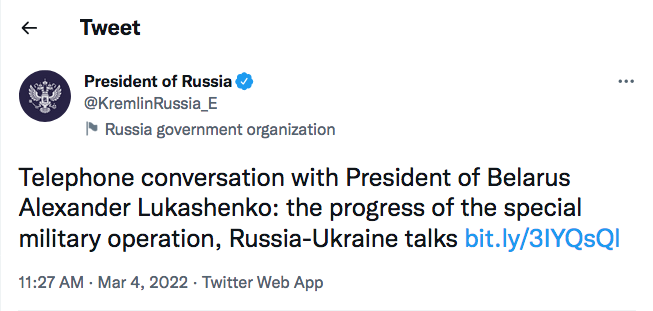
- Is Putin really about to deploy tactical nuclear weapons in Ukraine, or is he just bluffing?
- More generally, how can we tell when a particular threat is genuine or fake?
We could use “game theory” to answer these questions (see here, for example), but game theory presumes hyper-rationality, to borrow my mentor Richard Posner’s apt term. But what happens when we are dealing with a mad despot or a group of greedy owners or an avaricious labor union? In short, we also need to add culture, emotions, and psychology into the mix, and that is why the best work in this area — what I like to call “the psychology of games” — is still this remarkable collection of illuminating essays from the 1950s a/k/a “The Strategy of Conflict“. (The author of those essays, my intellectual hero Thomas Schelling, is pictured below.)












 prior probability