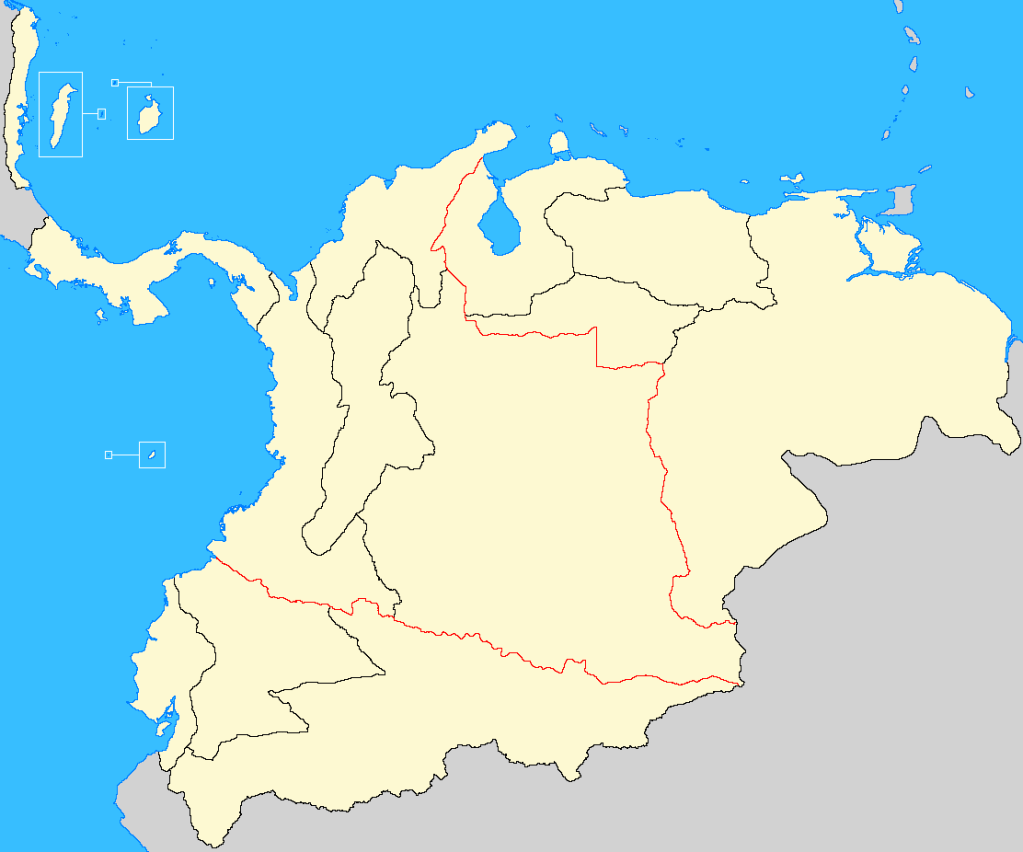
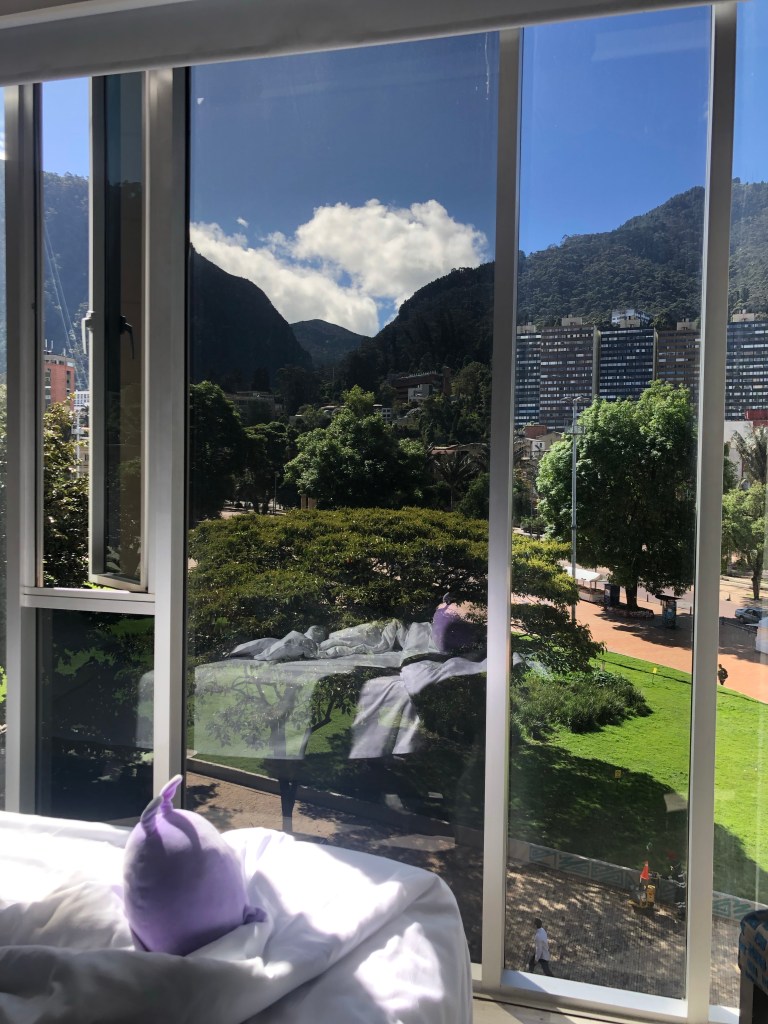
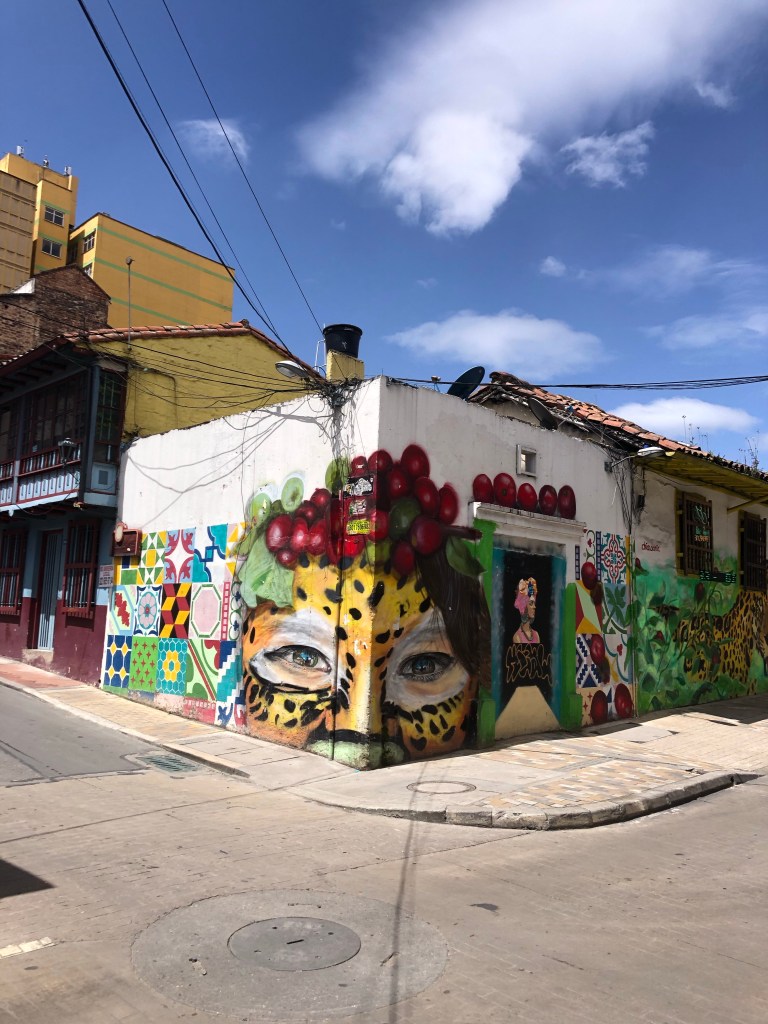
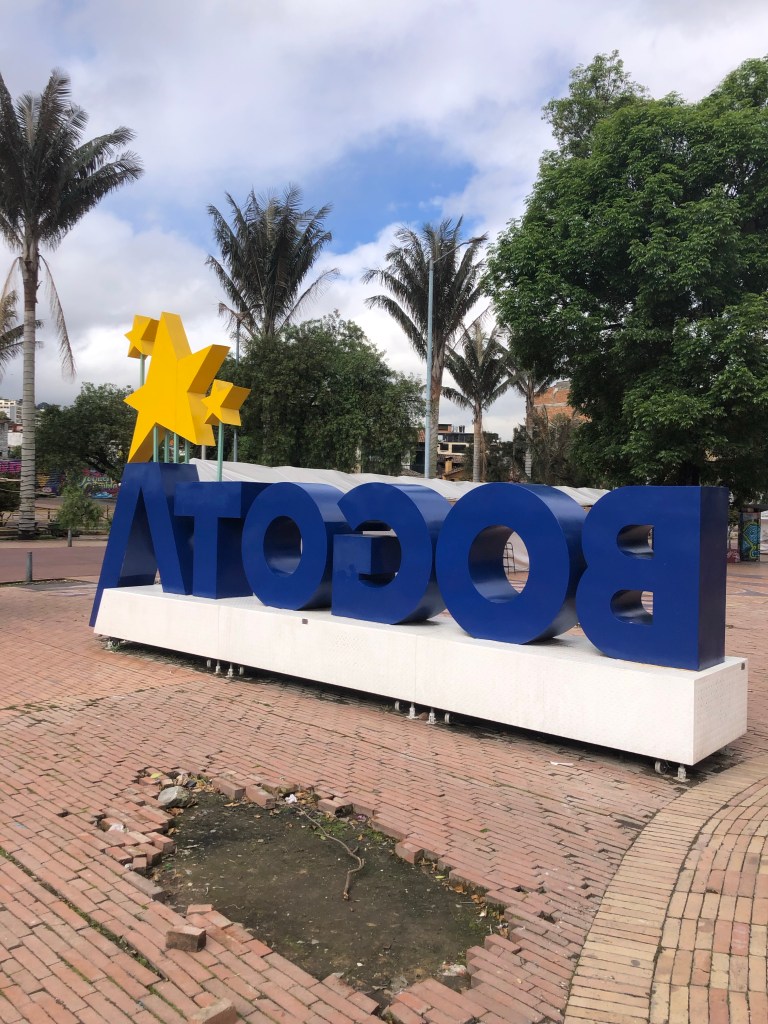
Via Wikipedia: “The Colombian Declaration of Independence occurred on July 20, 1810 when the Junta de Santa Fe was formed in [Bogota], the capital of the Spanish colonial Viceroyalty of New Granada, to govern the territory autonomously from Spain. The event inspired similar independence movements across Latin America, and triggered an almost decade-long rebellion culminating in the founding of the Republic of Gran Colombia, which spanned present-day Colombia, mainland Ecuador, Panama, and Venezuela, along with parts of northern Peru and northwestern Brasil. Although Gran Colombia would ultimately dissolve in 1831, it was for a time among the most powerful countries in the Western Hemisphere, and played an influential role in shaping the political development of other newly sovereign Latin American states.”
I forgot to mention that I was interviewed last month about my work on “Gödel’s Loophole.” The interview was conducted by Yury Tsukanov, who produces original and entertaining videos about various aspects of mathematics and mathematical concepts. Here is a link to his excellent YouTube channel “MetaMaths“, and below is the interview itself (duration: one hour).
One of the things I love about Bogota are the Colombian city’s many independently-owned bookstores. By way of example, check out this essay (in Spanish) by Arantxa Diaz Aguirre describing five of Bogota’s most beloved bookstores. Here is an excerpt (my translation):
Since the 1990s Calle 16, on the corner of Carrera Eight, has transformed its gray sidewalks into paths of books and secondary texts that have welcomed the world of arts and letters to the center of Bogotá. Old houses became huge bookstores, uninhabited premises were filled with bookshelves, and the term "callejón de los libreros" (booksellers' alley) became popular....
Via the July 12 edition of El Tiempo (my translation):
The 43rd circuit court of the Bogotá tribunal ordered the prohibition of the sale of all iPhones and iPads that handle 5G technology in Colombia. This decision arises from several patent infringement lawsuits between Apple and Ericsson.

The court held that Apple infringed Colombian patent NC2019/0003681, which is necessary to develop 5G technology. This patent was granted to Ericsson in 2019 and is valid until December 2037.
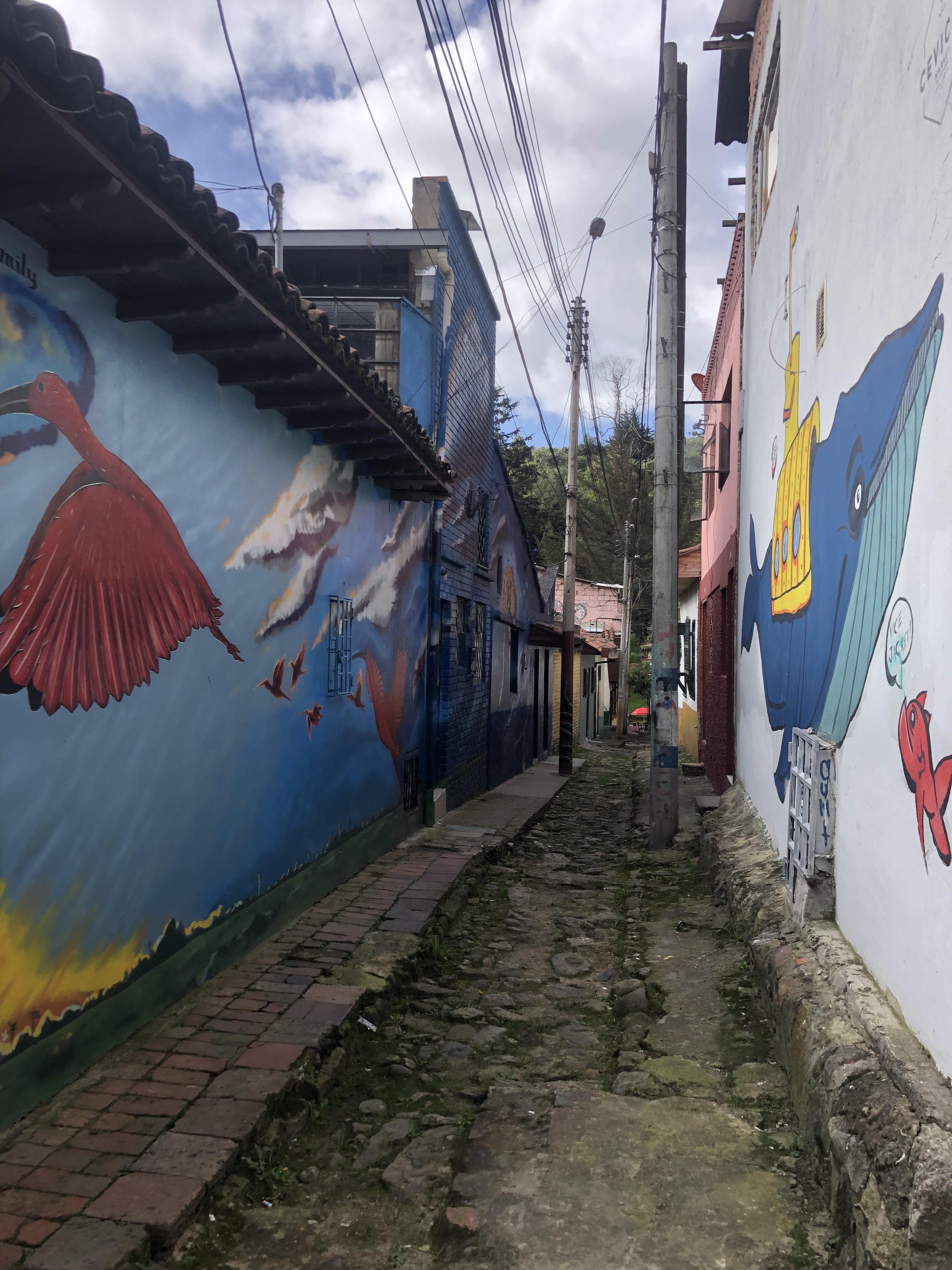
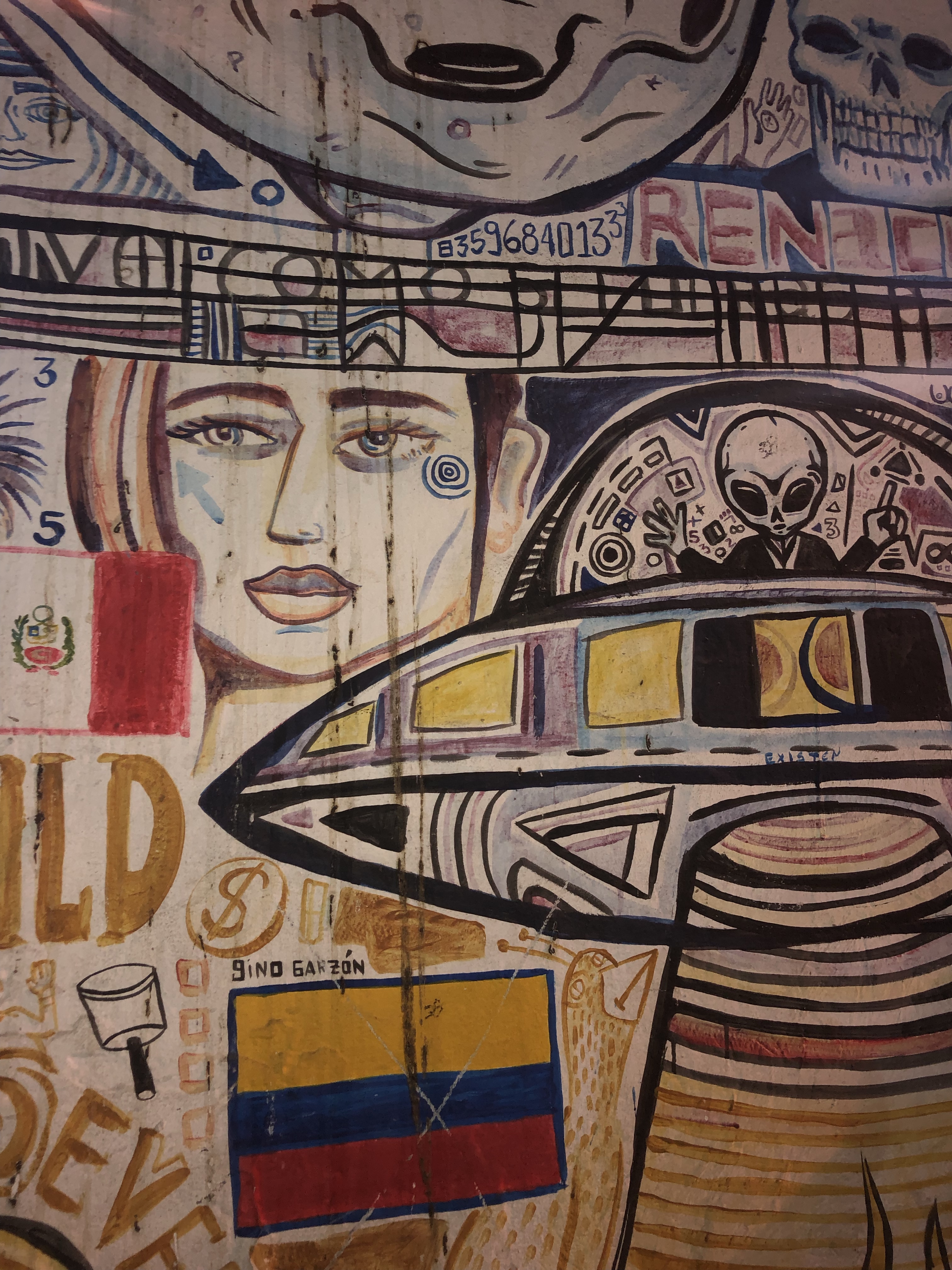
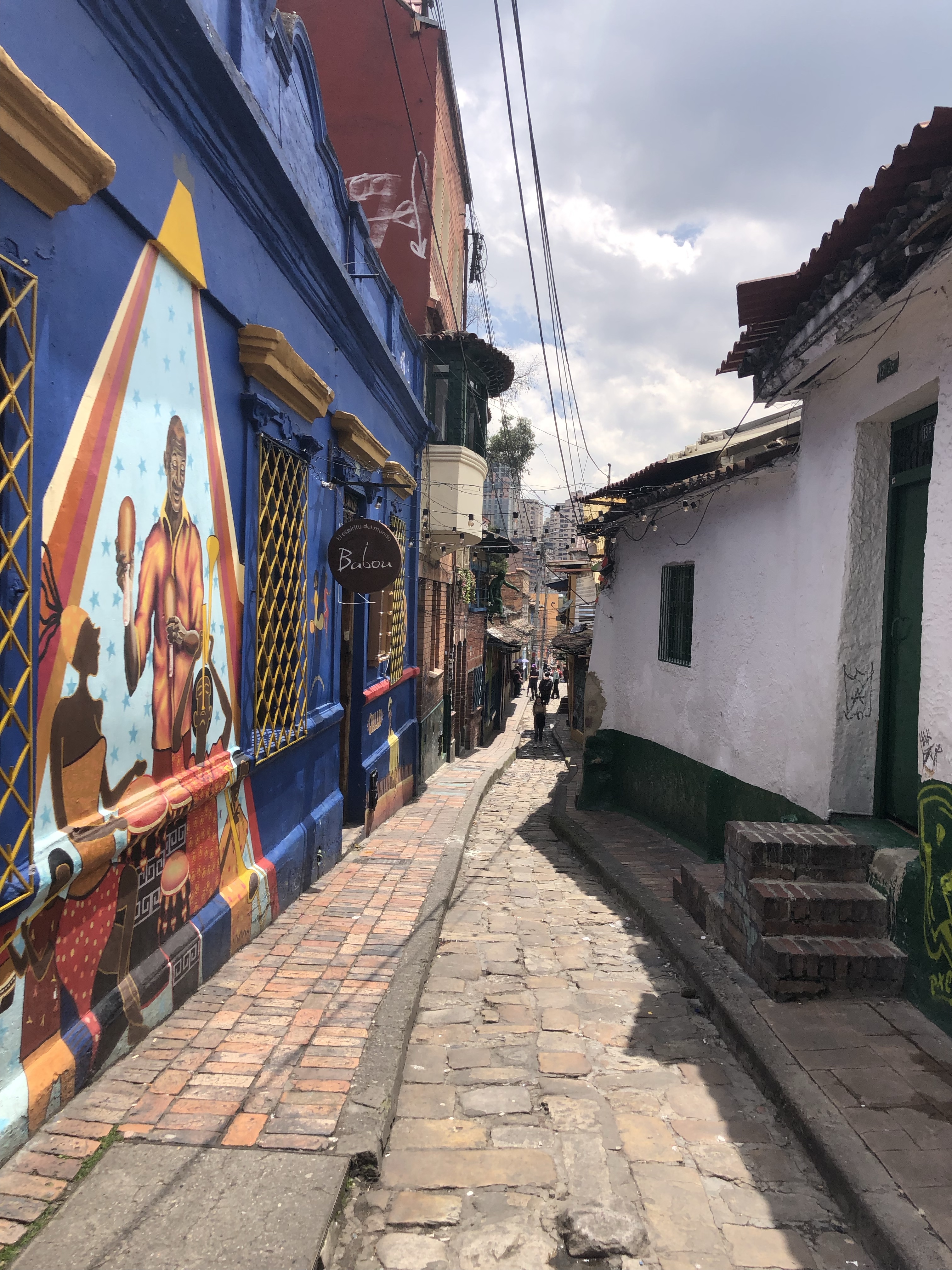
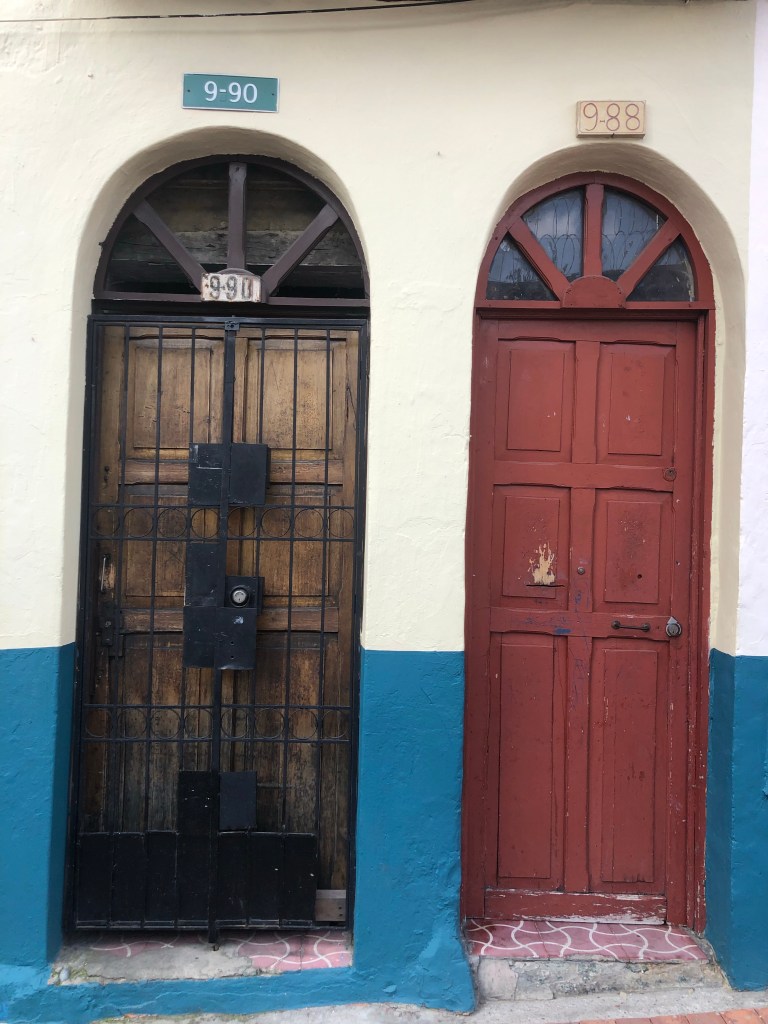
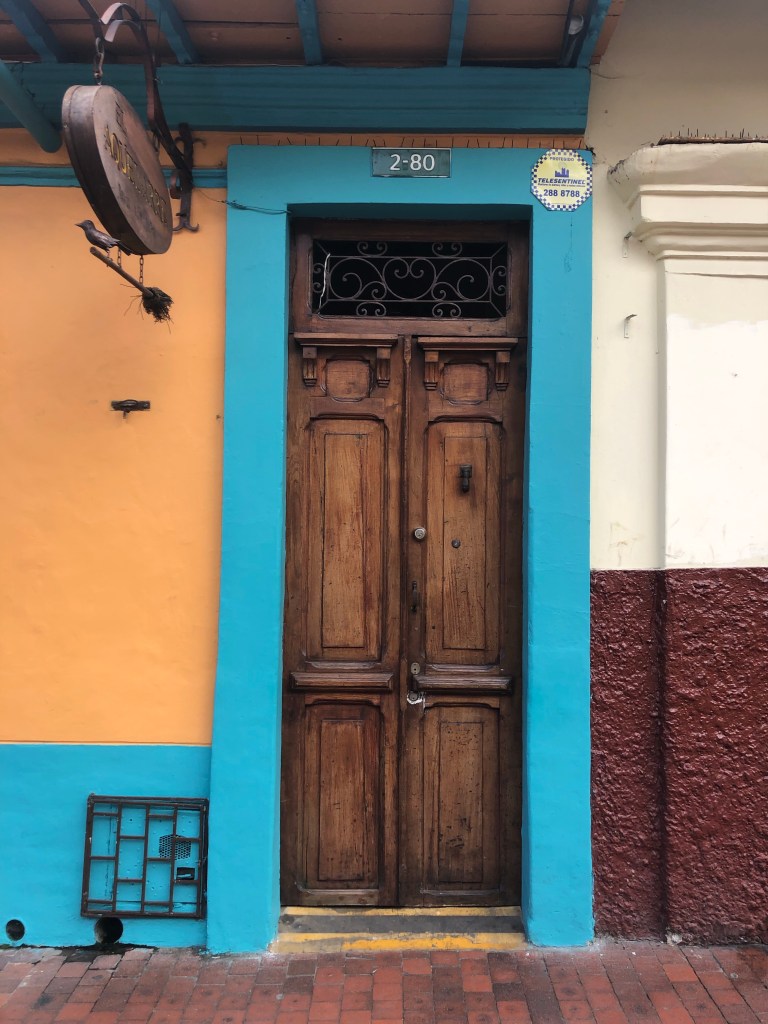
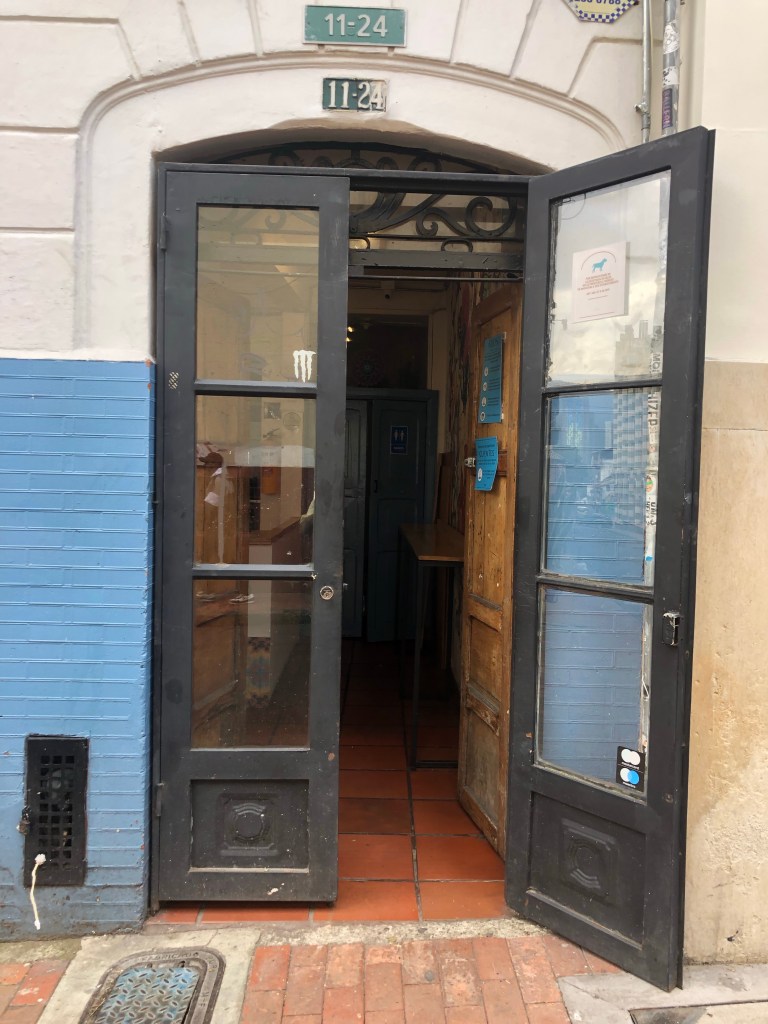
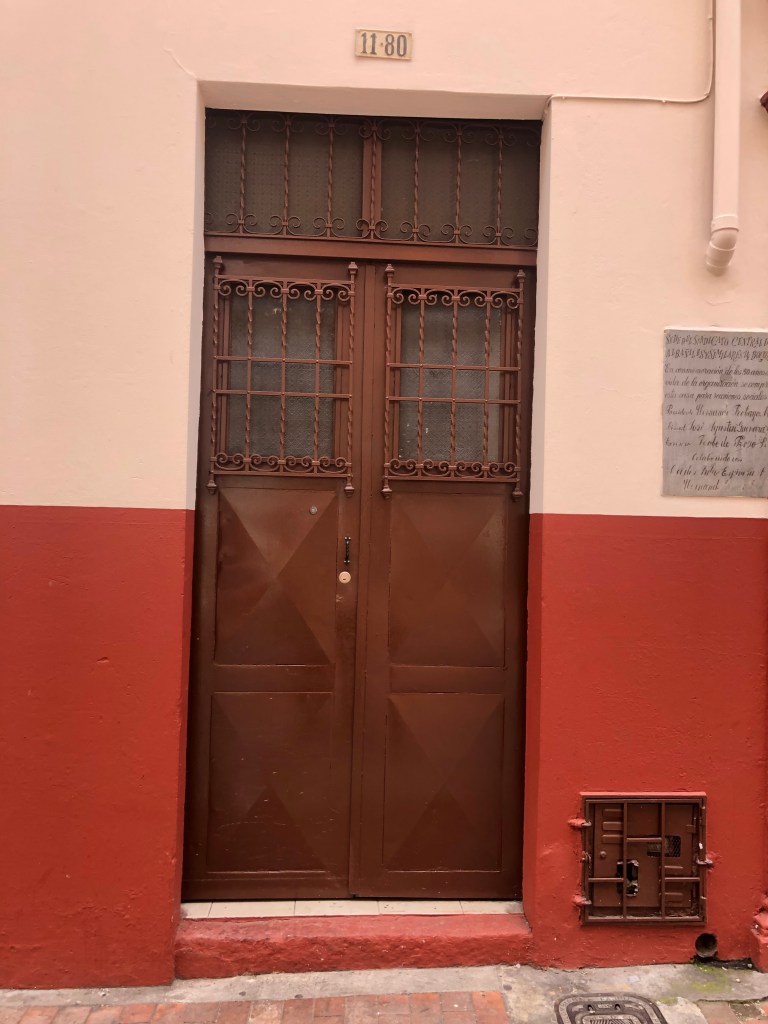
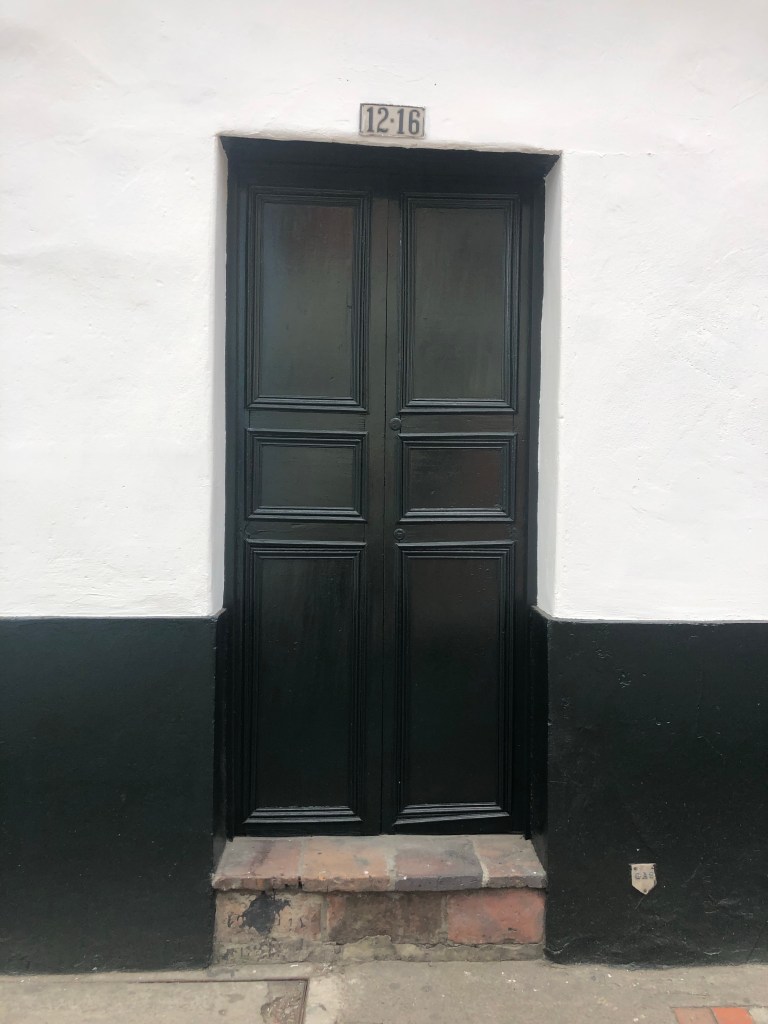
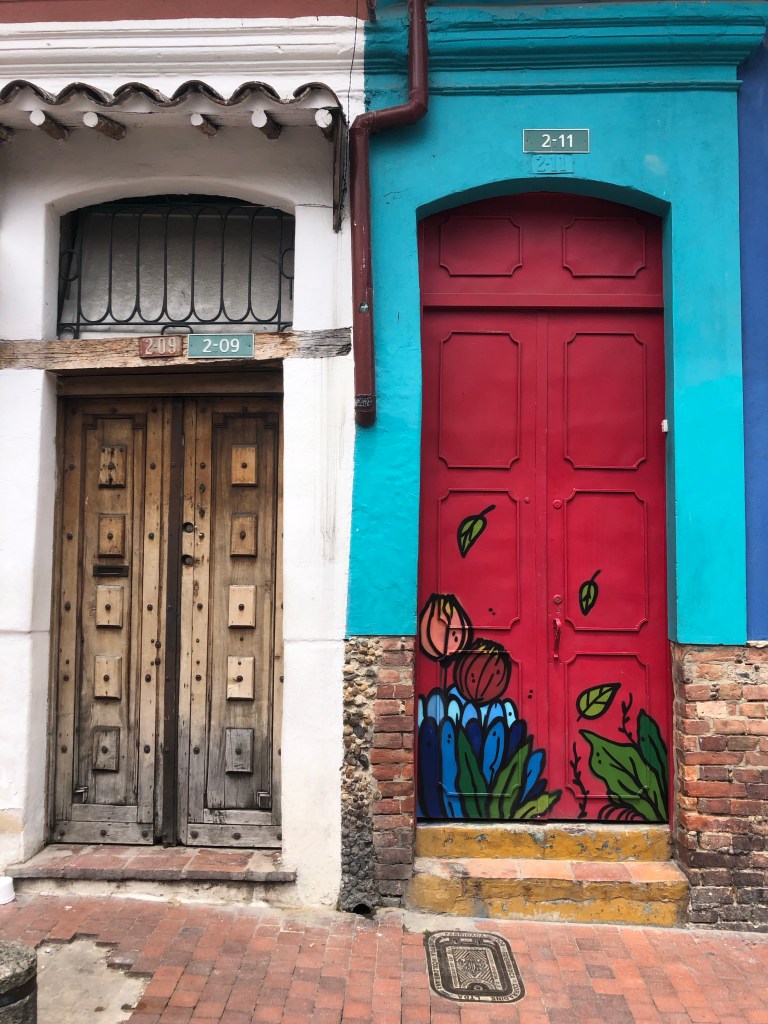
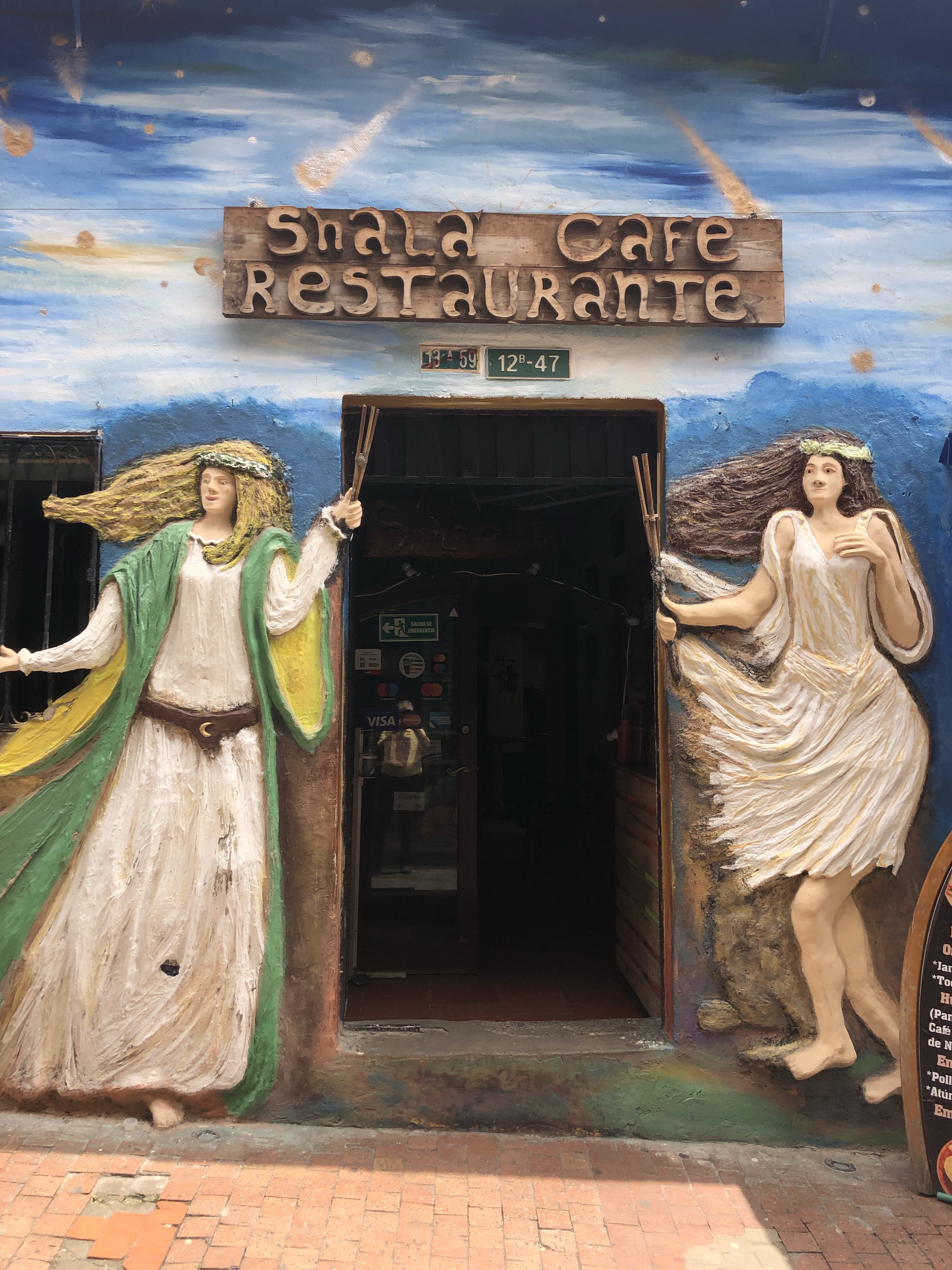
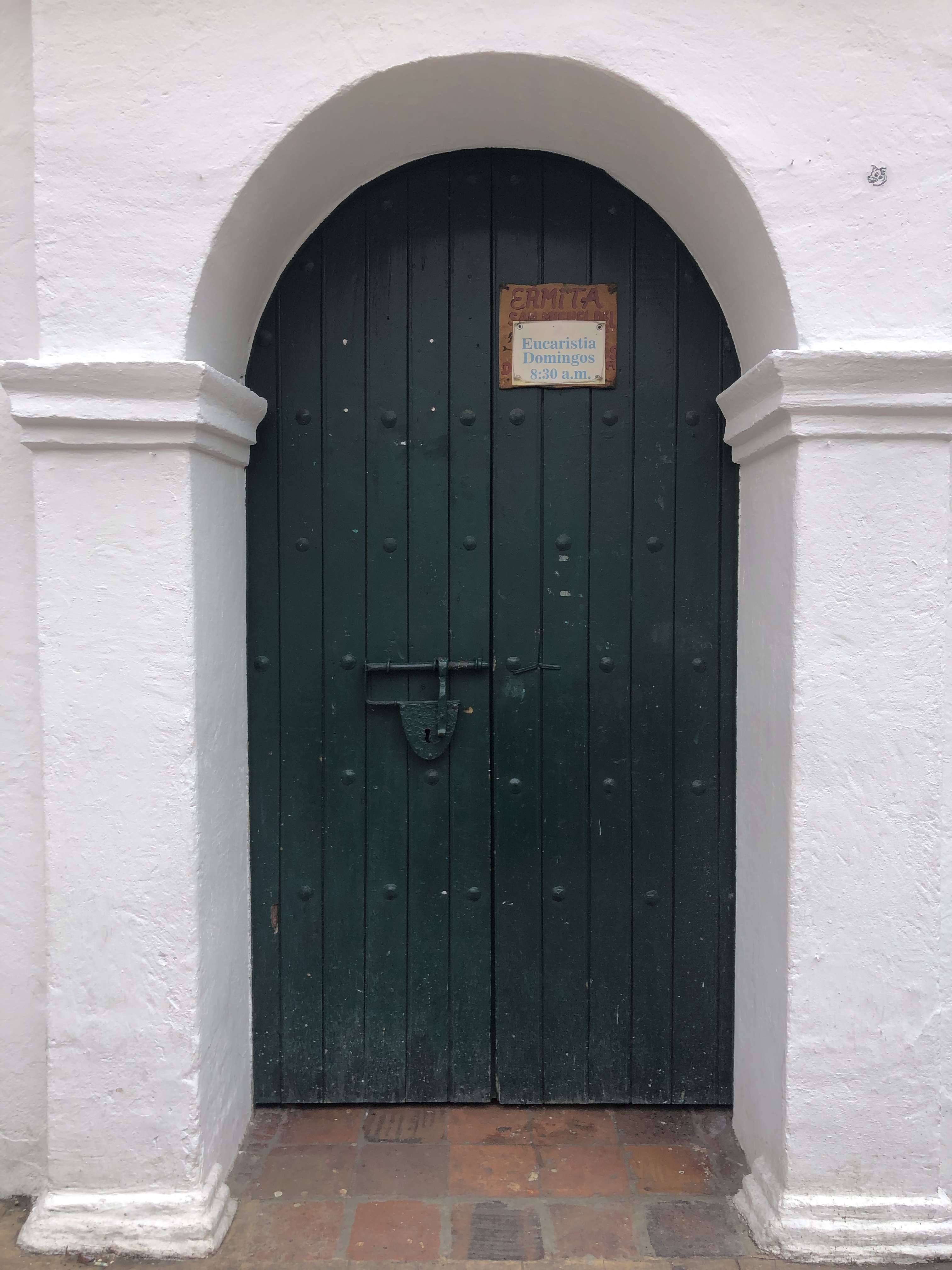
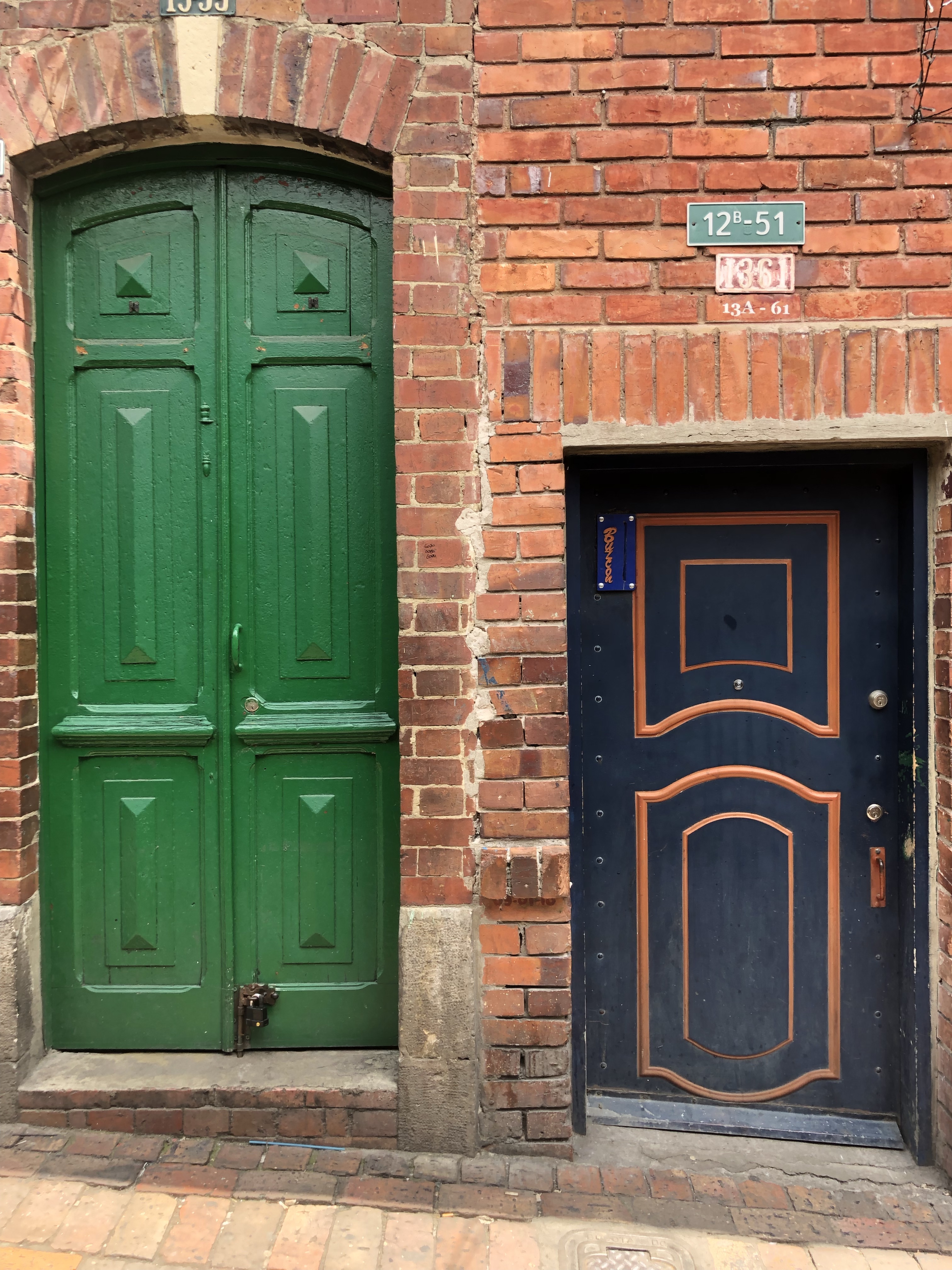
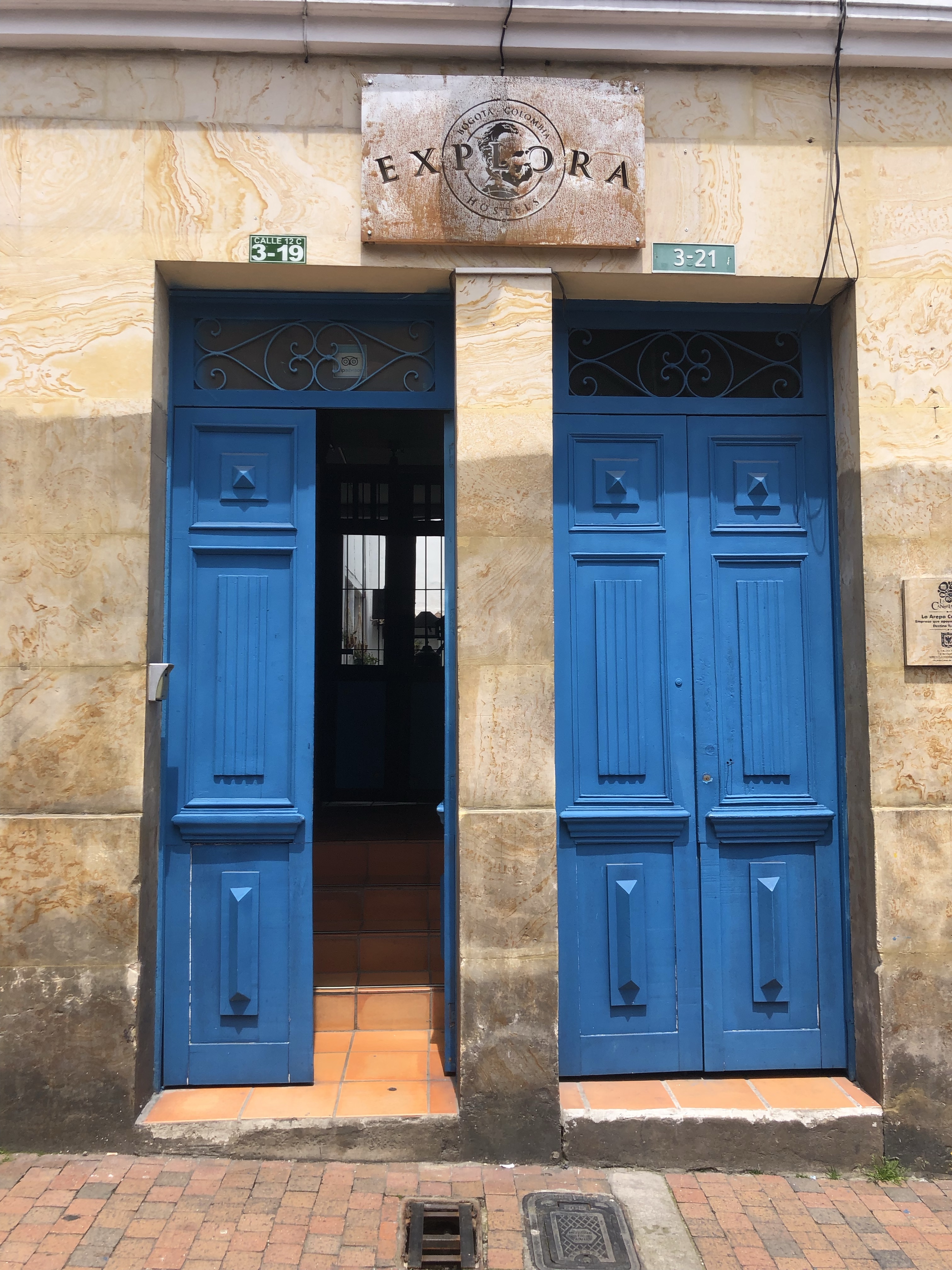
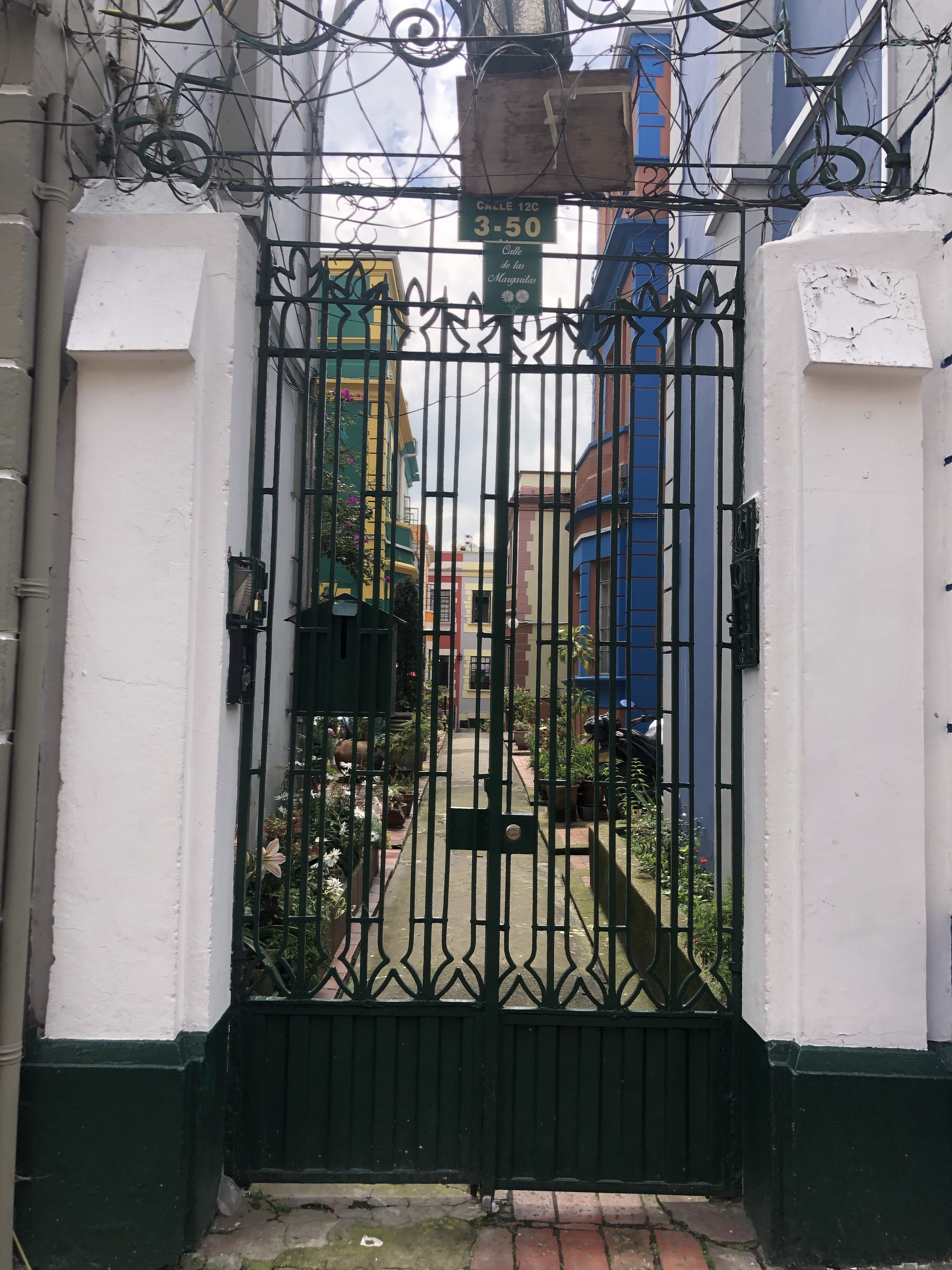
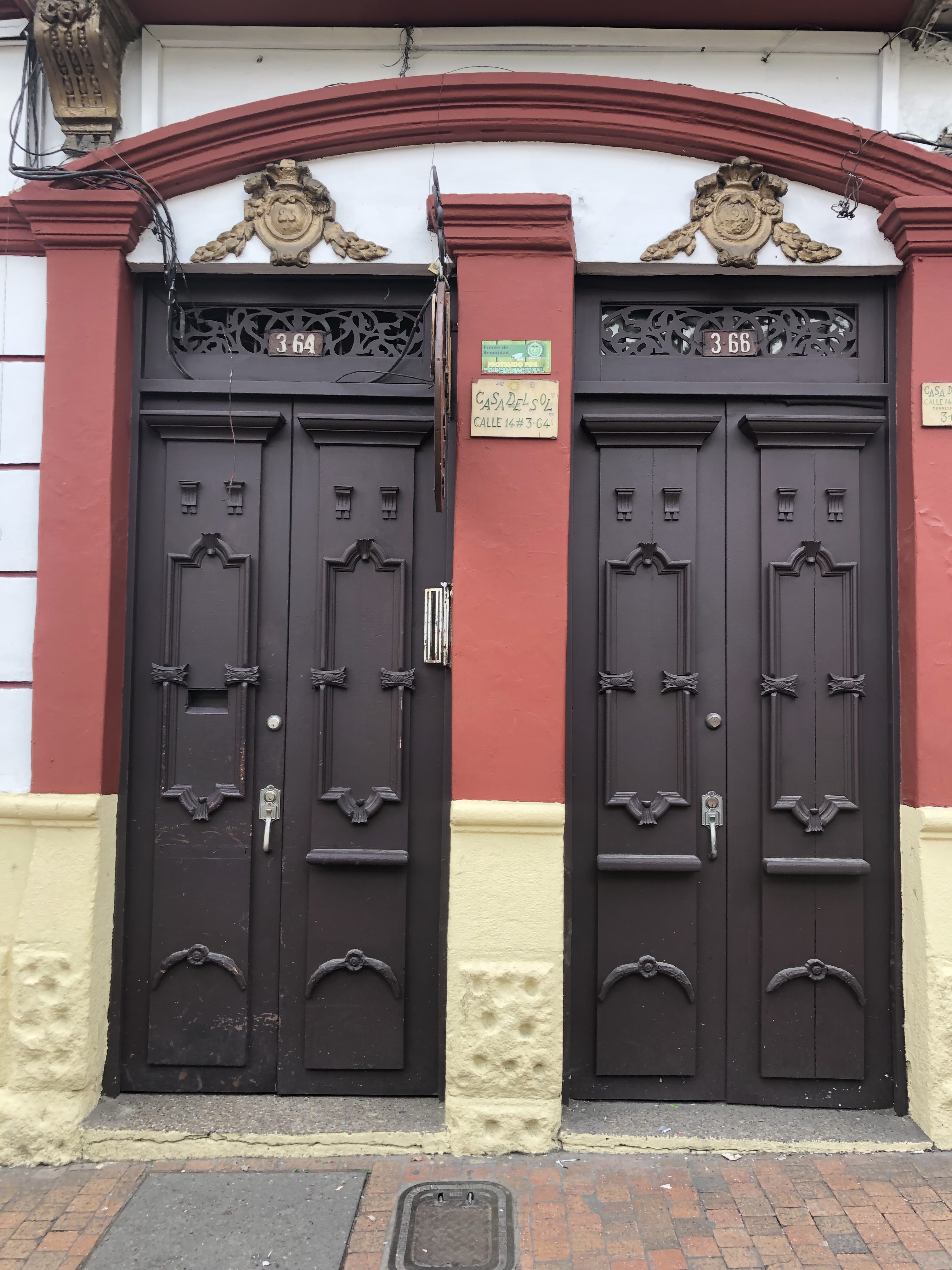
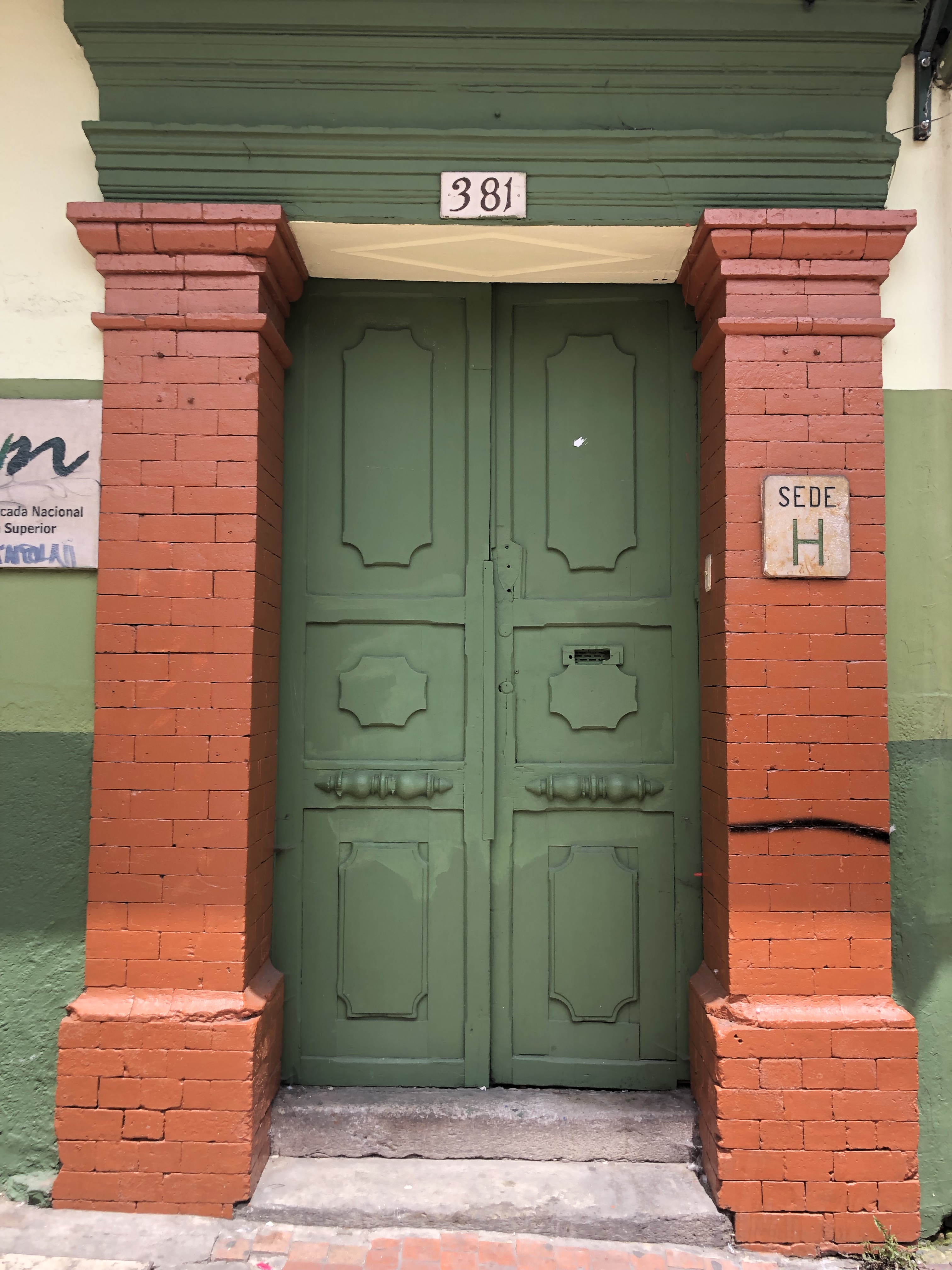
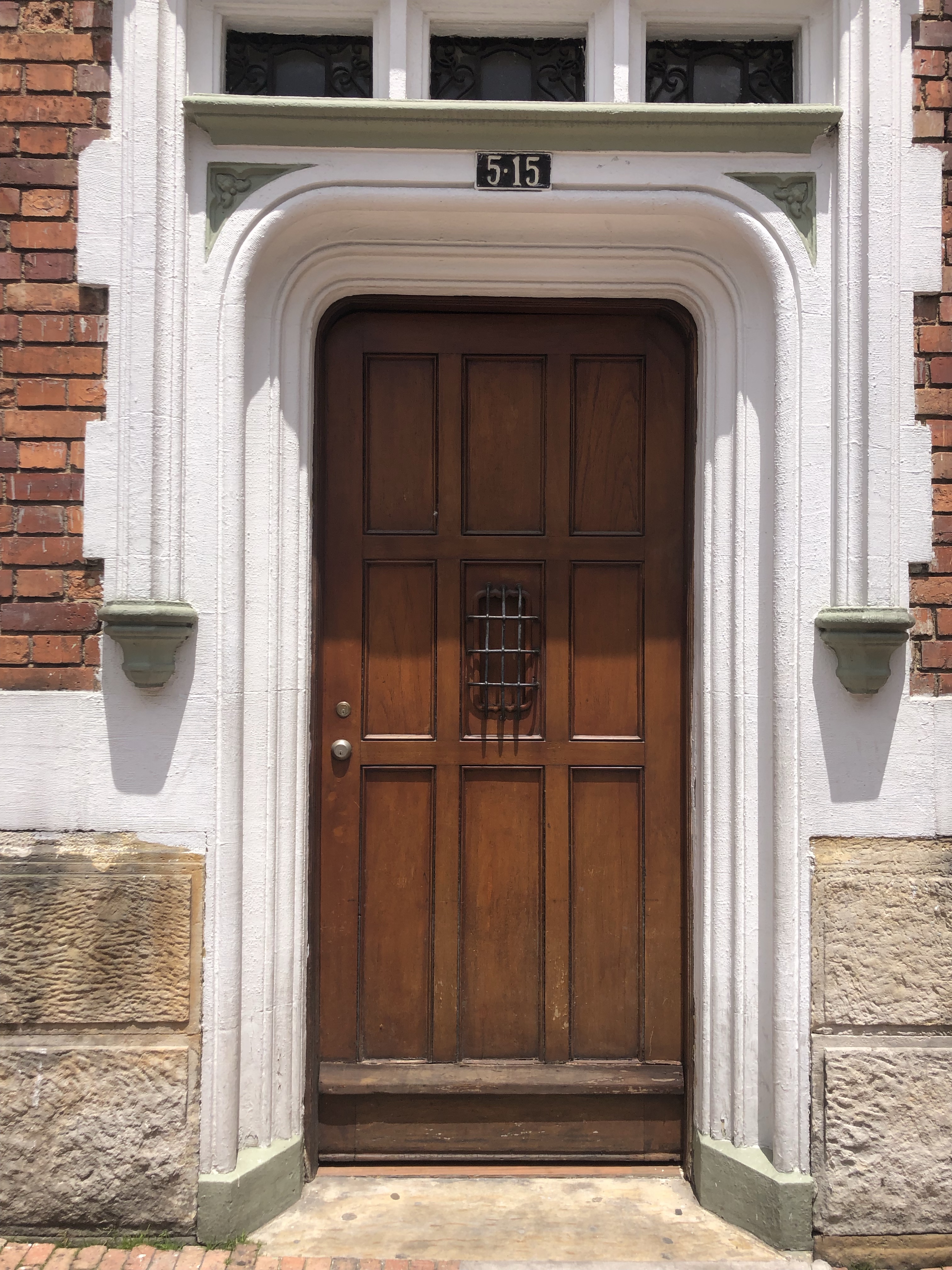
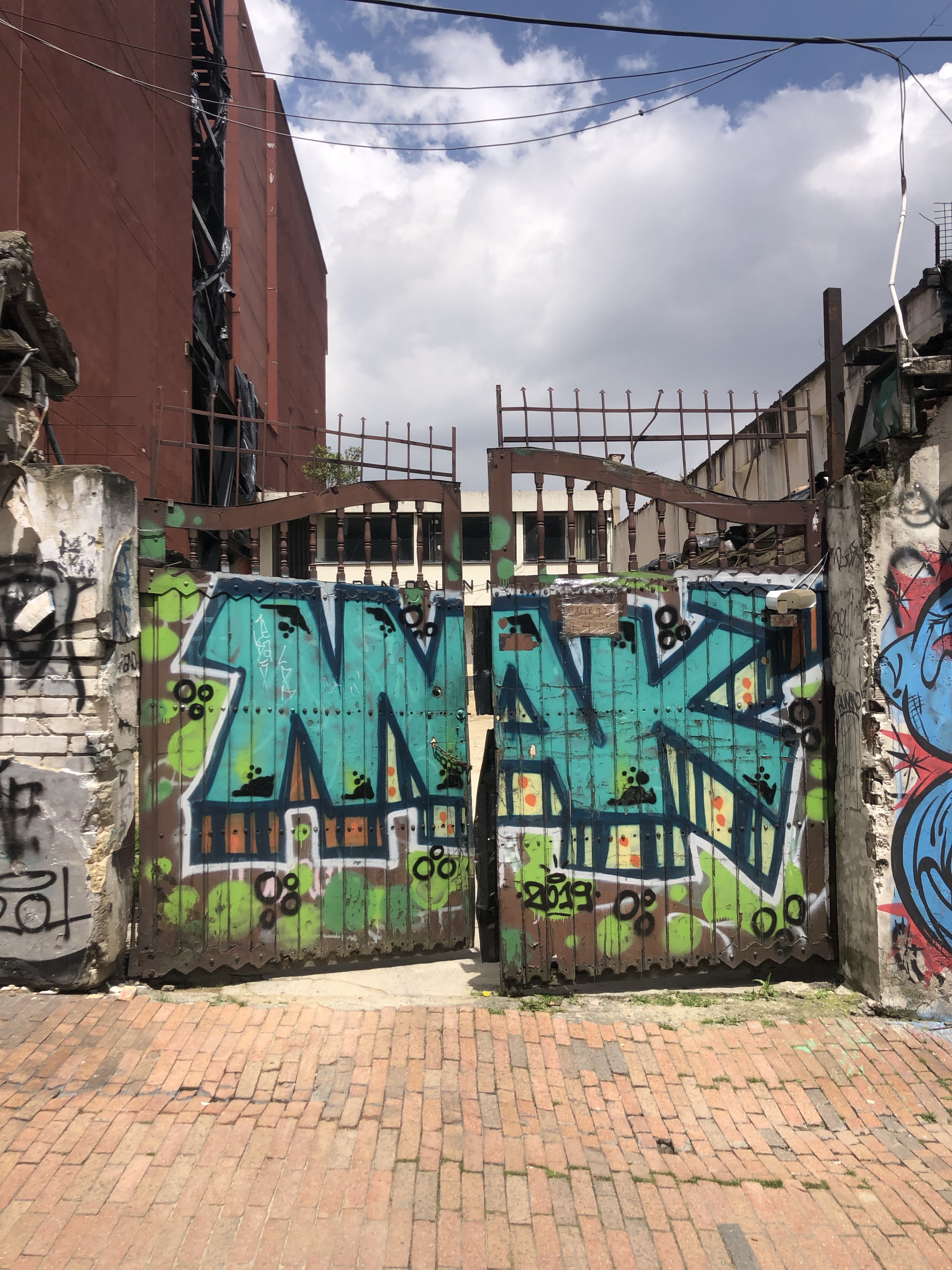
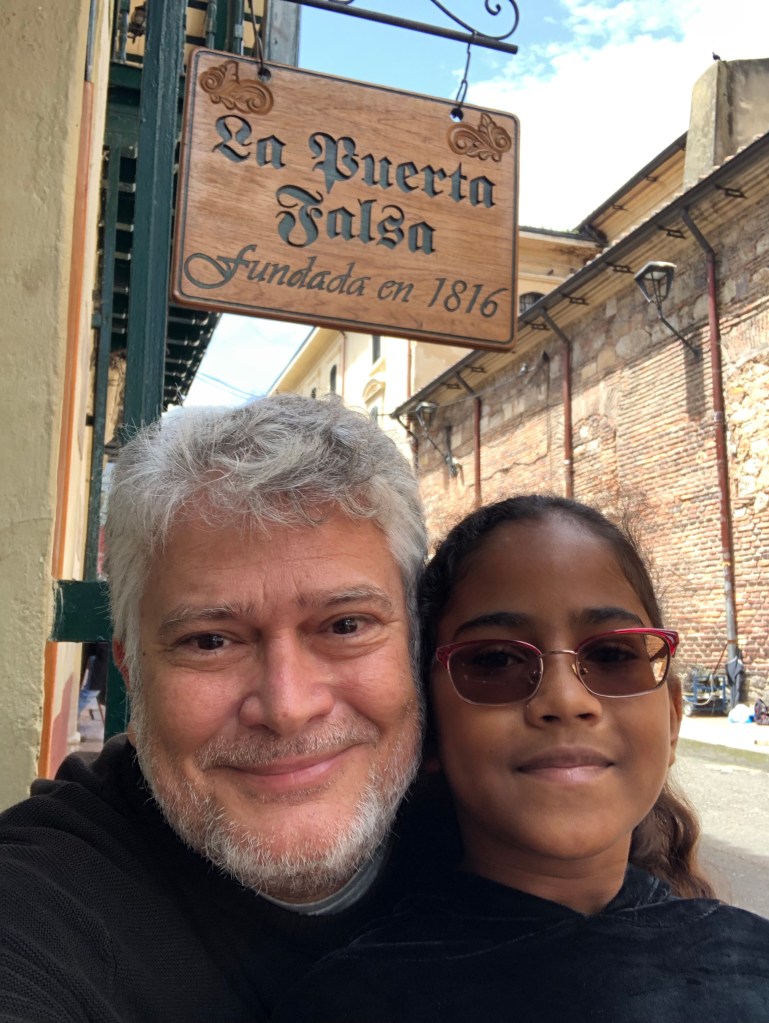
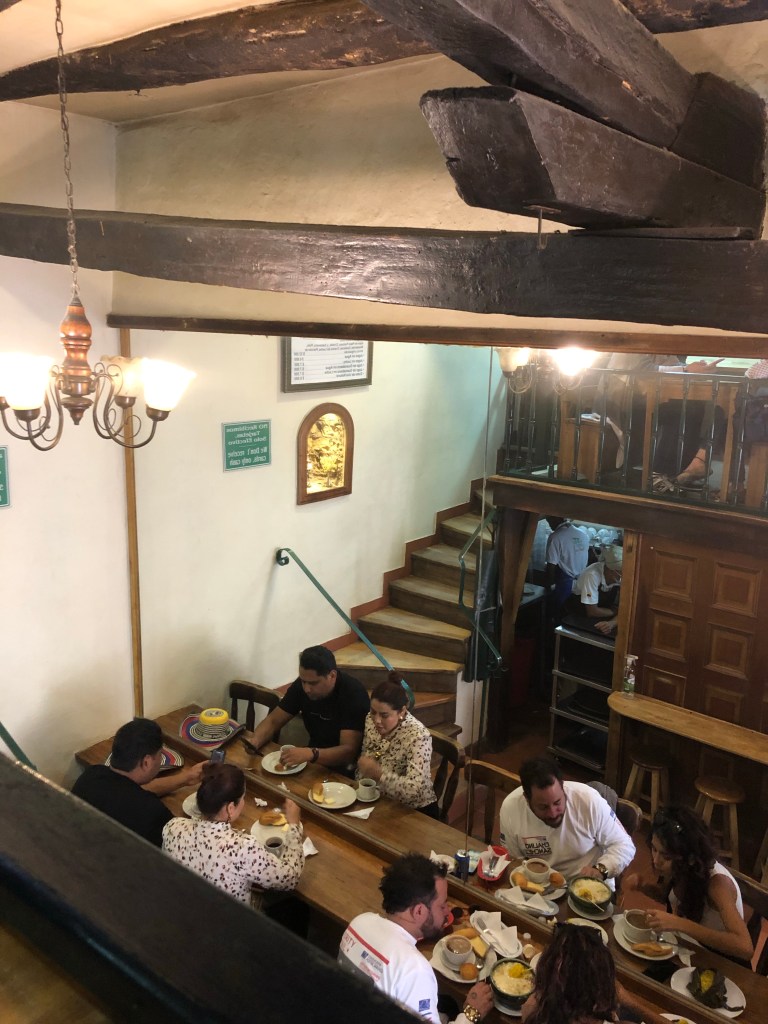
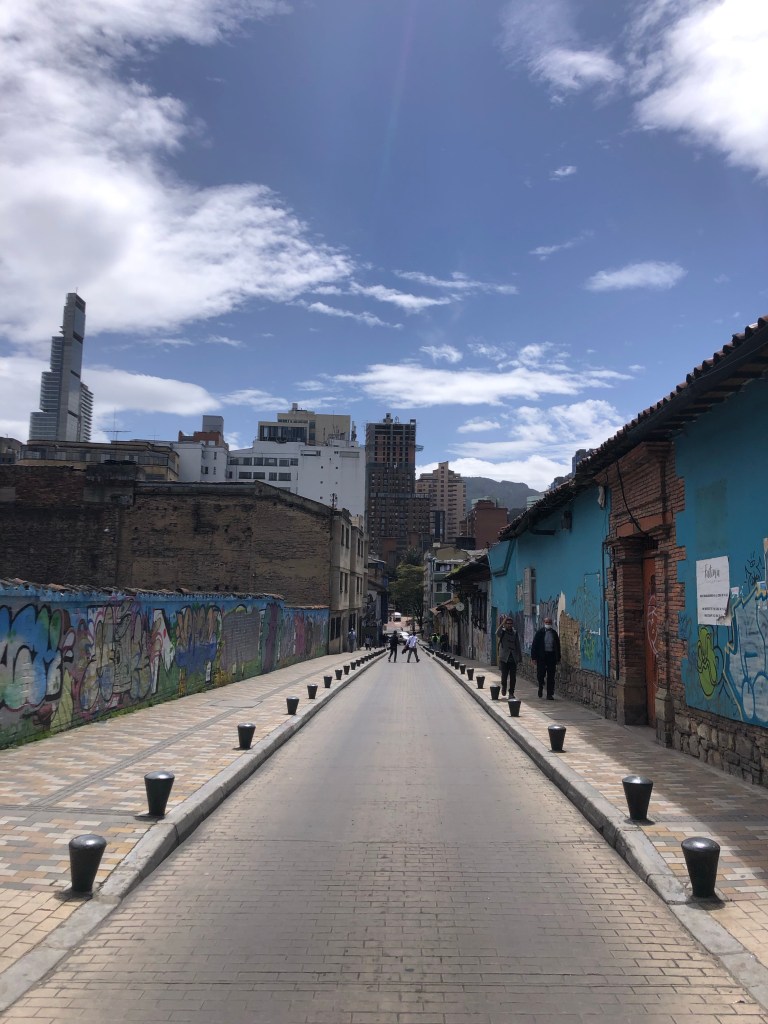
Inspired by Sheree’s “Thursday Doors” feature on her fun blog View from the Back, below are some of my favorite doors that I saw while walking through the streets of La Candelaria, the colonial zone of Colombia’s capital city.
Tyler Cowen delivered the keynote address at this year’s meeting of the International Adam Smith Society (IASS), which is being held in Bogota, Colombia. The first question from the audience (at minute 50 of the video) is from yours truly.