My open letter to the Governor of the State of Florida re: recent Florida Bar Fiasco

Note: I shall also be sending this same to letter to the Deans of all eleven ABA-accredited law schools in Florida. If they have not done so already, these law school deans should be using the power and prestige of their positions to petition the Florida Supreme Court to allow their graduates to practice law in the State of Florida via the process of diploma privilege.

August 19, 2020

Governor Ron DeSantis
State of Florida
The Capitol
400 S. Monroe St.
Tallahassee, FL 32399-0001

Dear Governor DeSantis:

You are a busy man, so I will get to the point.

Today, August 19, the Florida Bar Exam was to have taken place. The bar exam was originally scheduled to be conducted on site in the cities of Tampa and Orlando in July of 2020, but following an alarming spike in COVID-19 cases in the State of Florida, the Florida Board of Bar Examiners decided to change the format of the bar exam into an online exam and postpone the bar exam until today. (The Board is an administrative agency of the Supreme Court of Florida and handles all matters of bar admission.) Due to technical issues with the online exam software, however, the Board at the 11th hour postponed the bar exam yet again–now to “a date to be determined in October.”

As a law professor in the College of Business at the University of Central Florida, as a licensed attorney in good standing authorized to practice law in the Commonwealth of Puerto Rico, and as a person who once had to take a bar exam himself, I find this state of affairs regarding the Florida Bar Exam to be deplorable, and I respectfully ask you to use the moral force of your powerful office to intervene in this matter. Specifically, I respectfully request that you take the following common sense steps to correct this untenable situation:

  1. First, that you issue an apology on behalf of the State of Florida to the current cohort of Florida bar applicants.
  2. Second, that you request from the Board a complete list of all bar applicants who have graduated from an ABA-accredited law school.
  3. Lastly, that you petition the Supreme Court of Florida on their behalf to be allowed to practice law in the State of Florida via the process of diploma privilege.

The Board and the Florida Supreme Court must be held accountable for this mess. With your help, they will!

Thank you for time and consideration,

s/ F. E. Guerra-Pujol

Associate Instructor of Law

University of Central Florida

Florida's Supreme Court in transition
Posted in Uncategorized | 1 Comment

Cleo Moore Collage

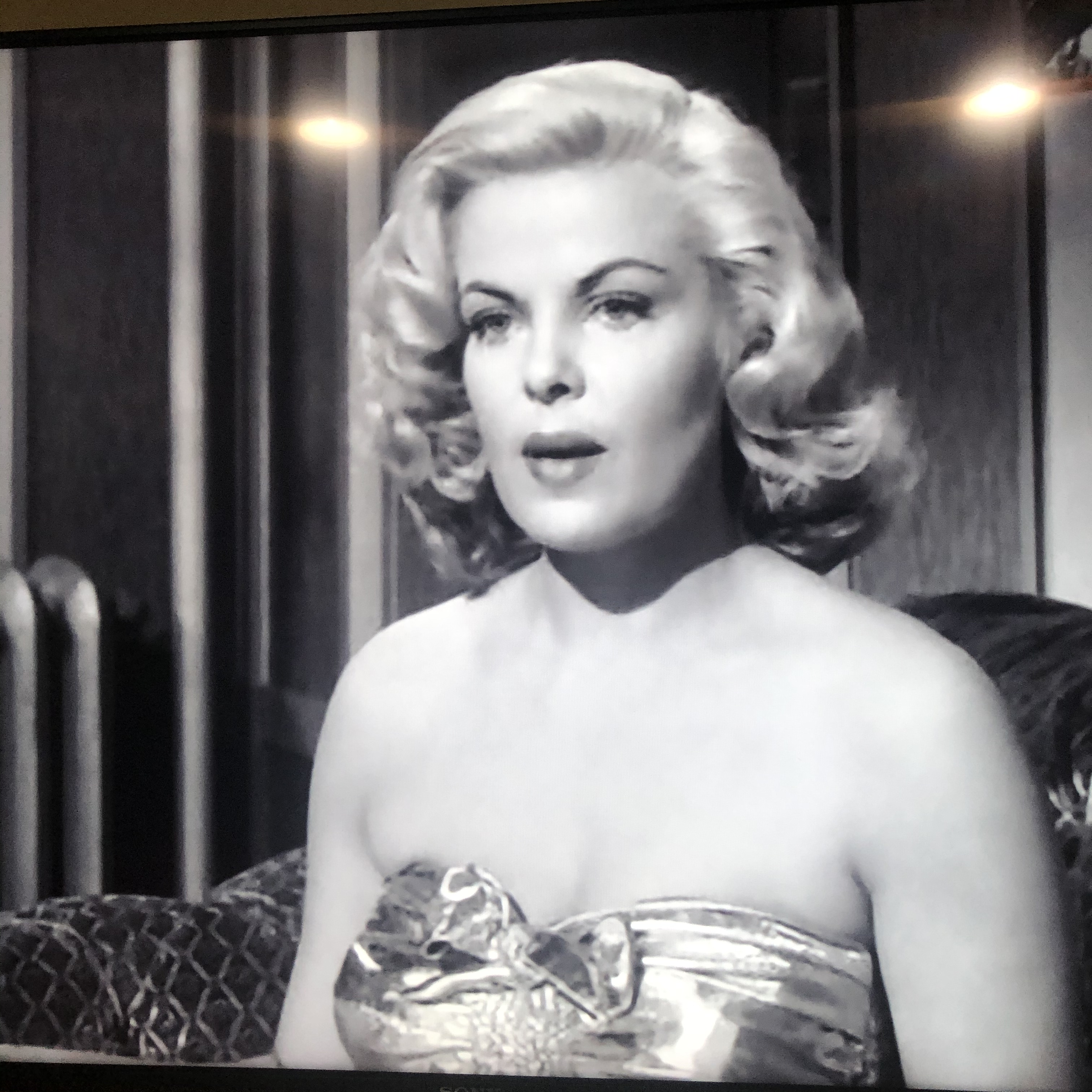
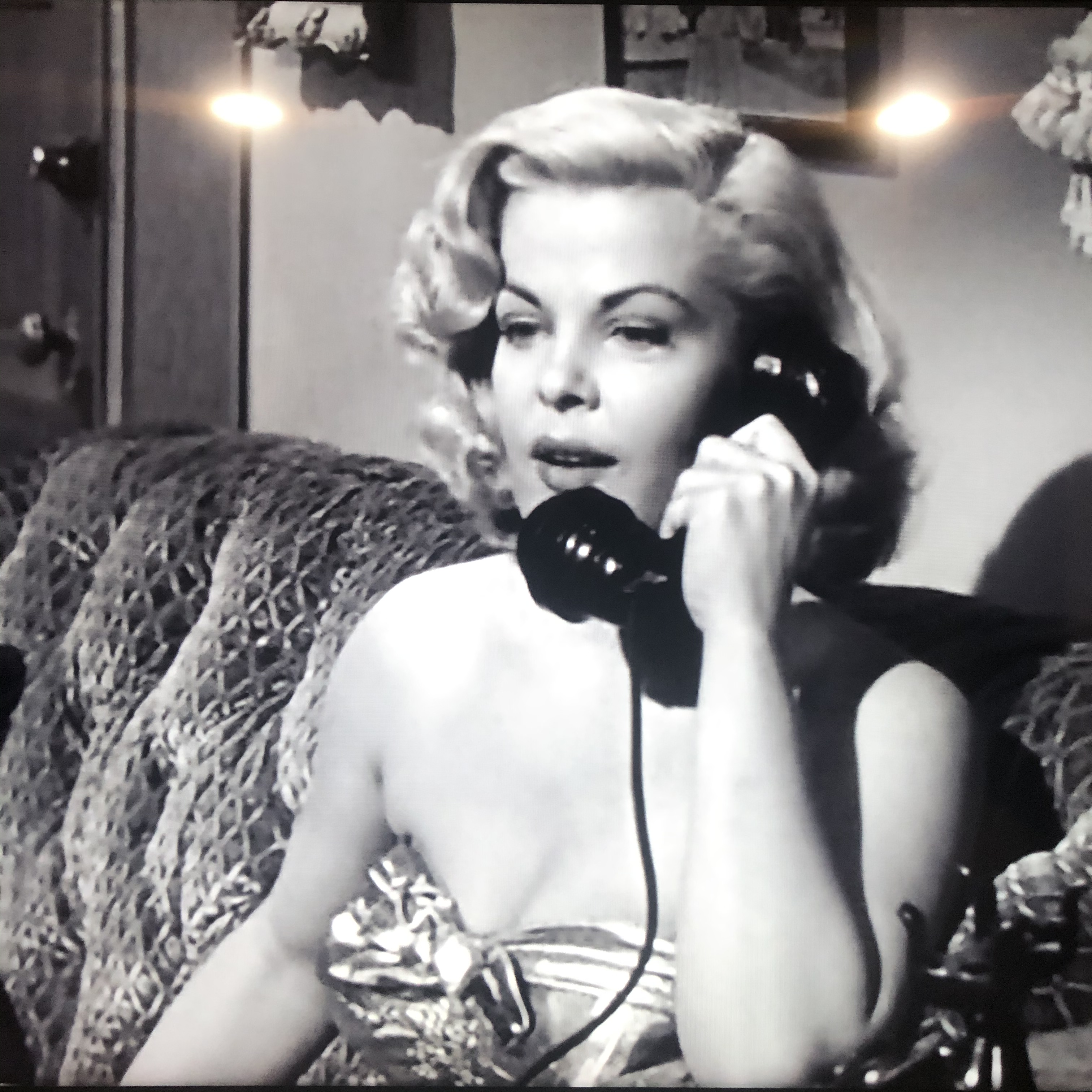
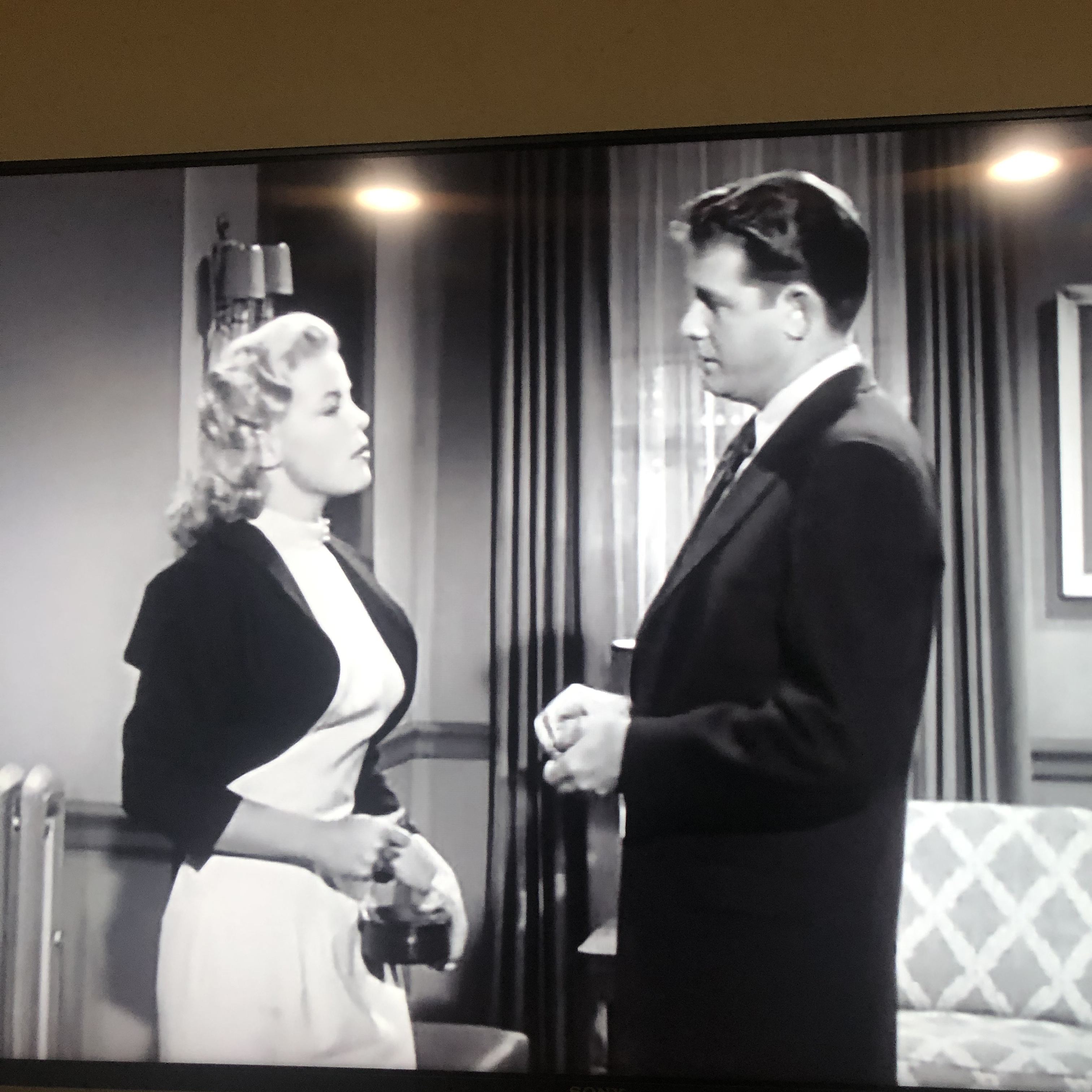
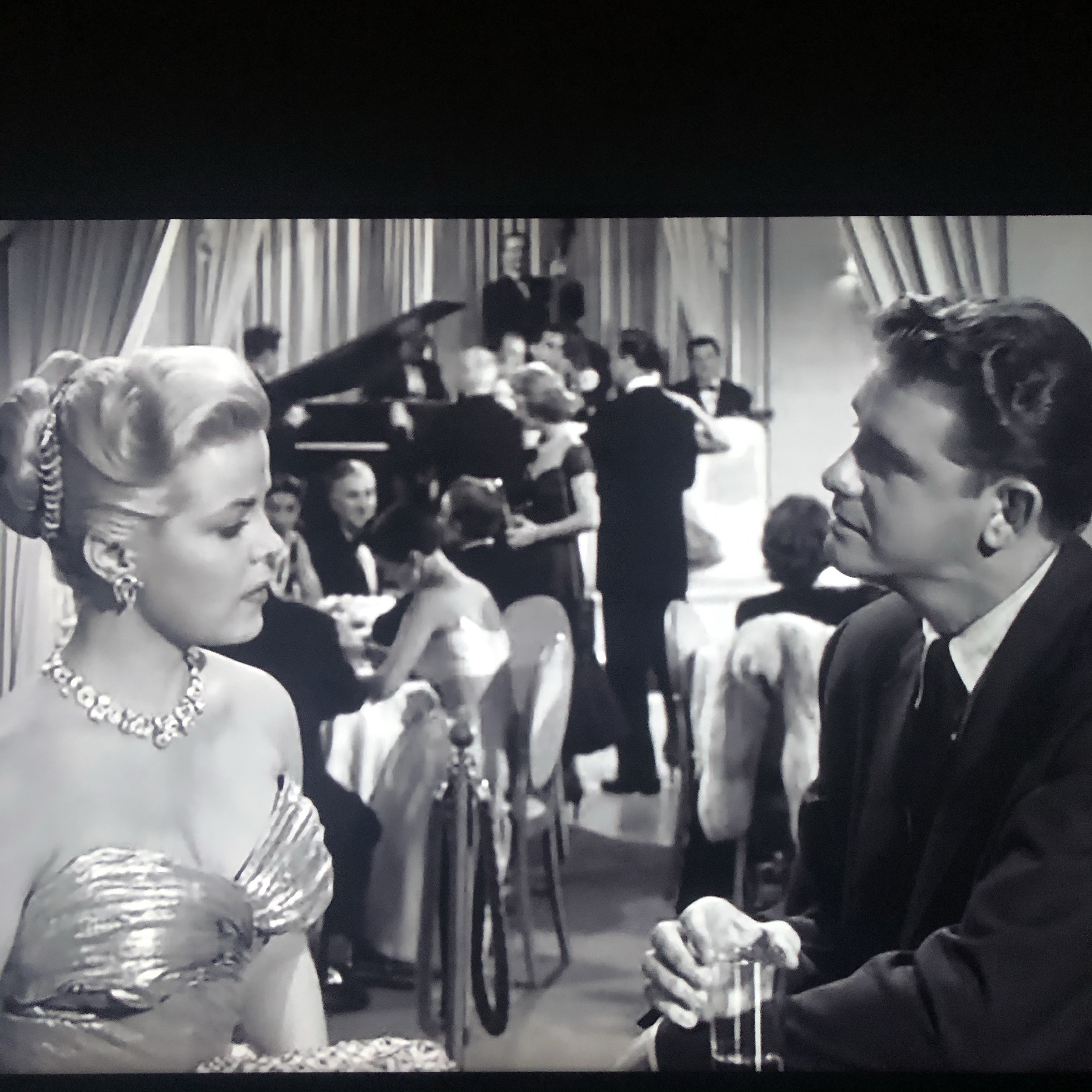
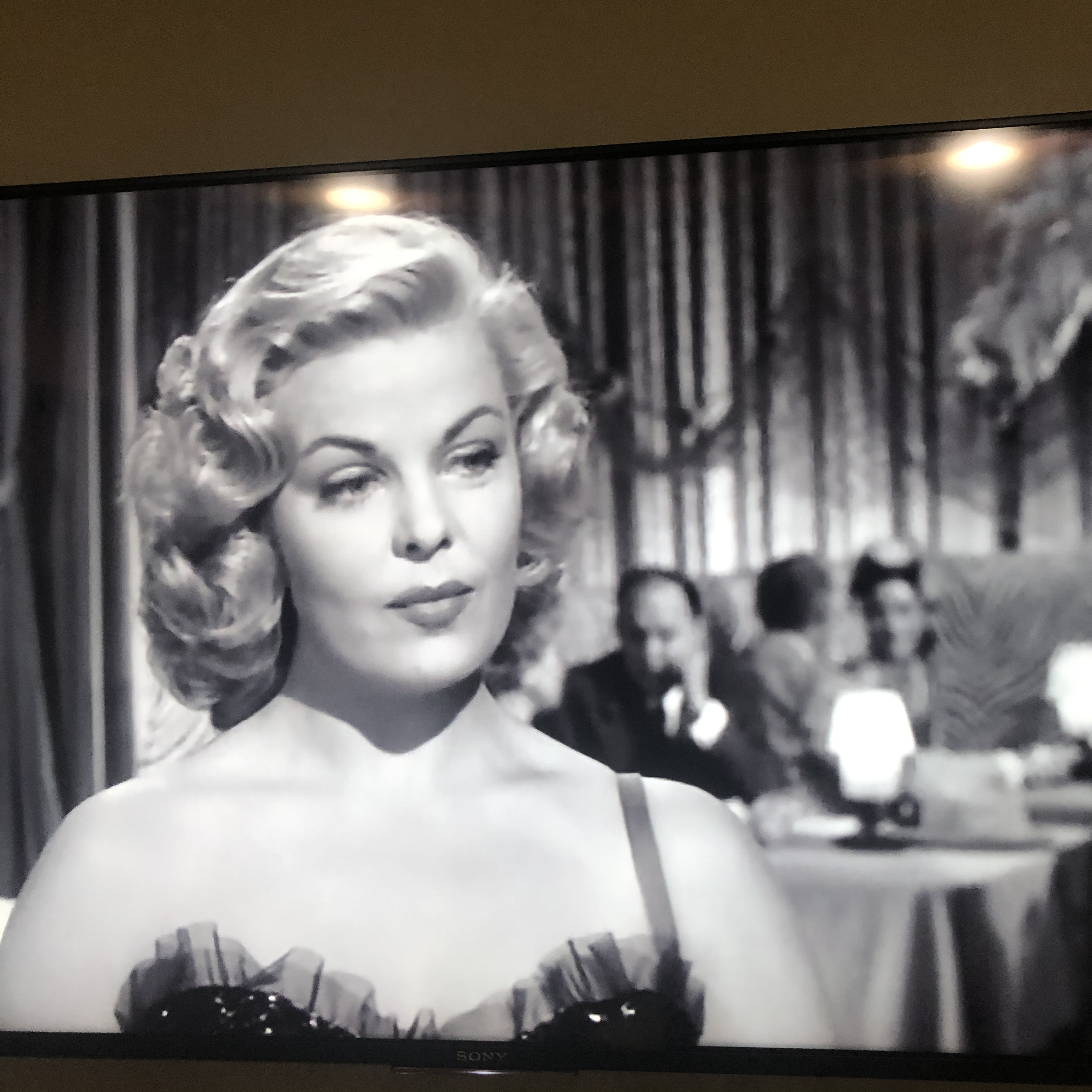
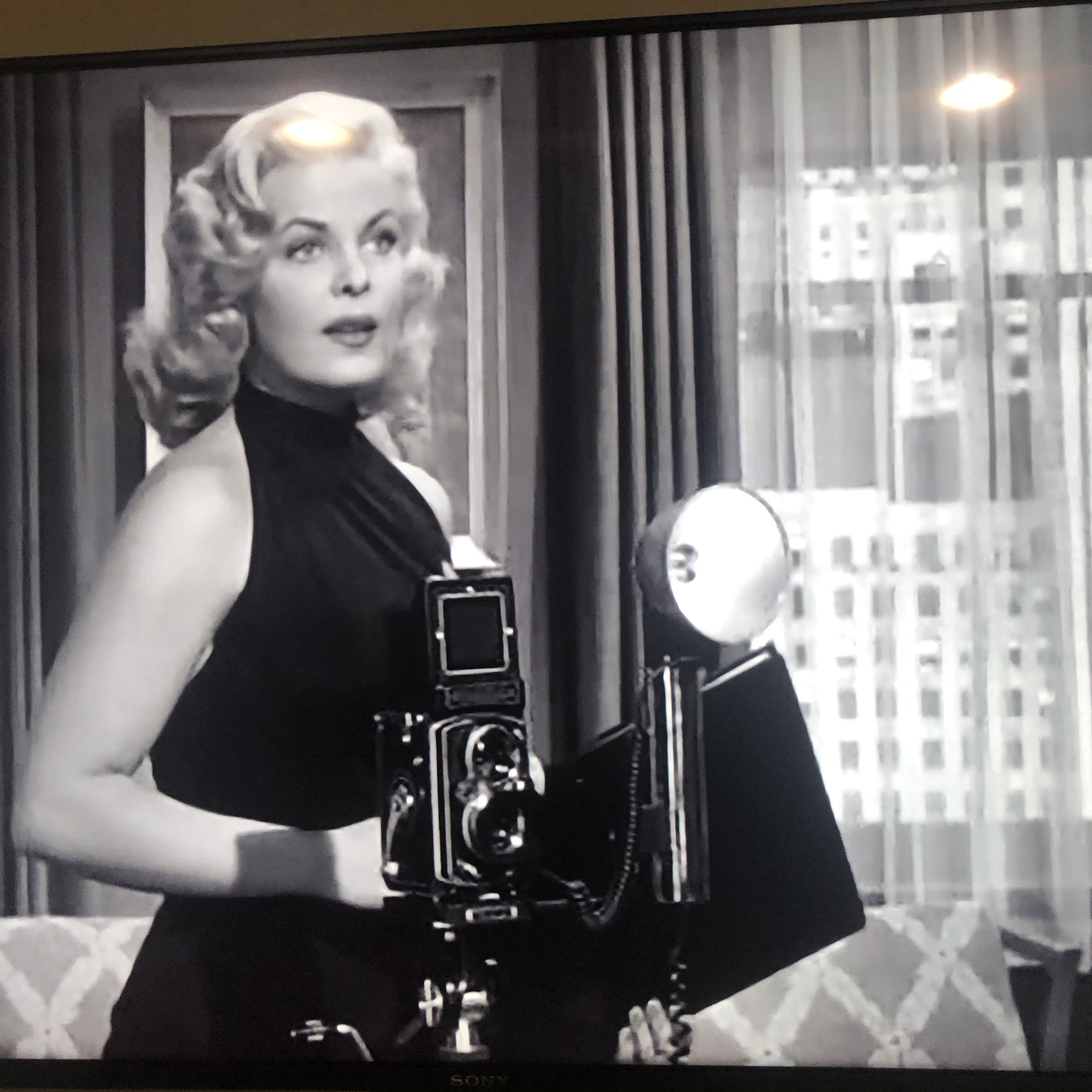
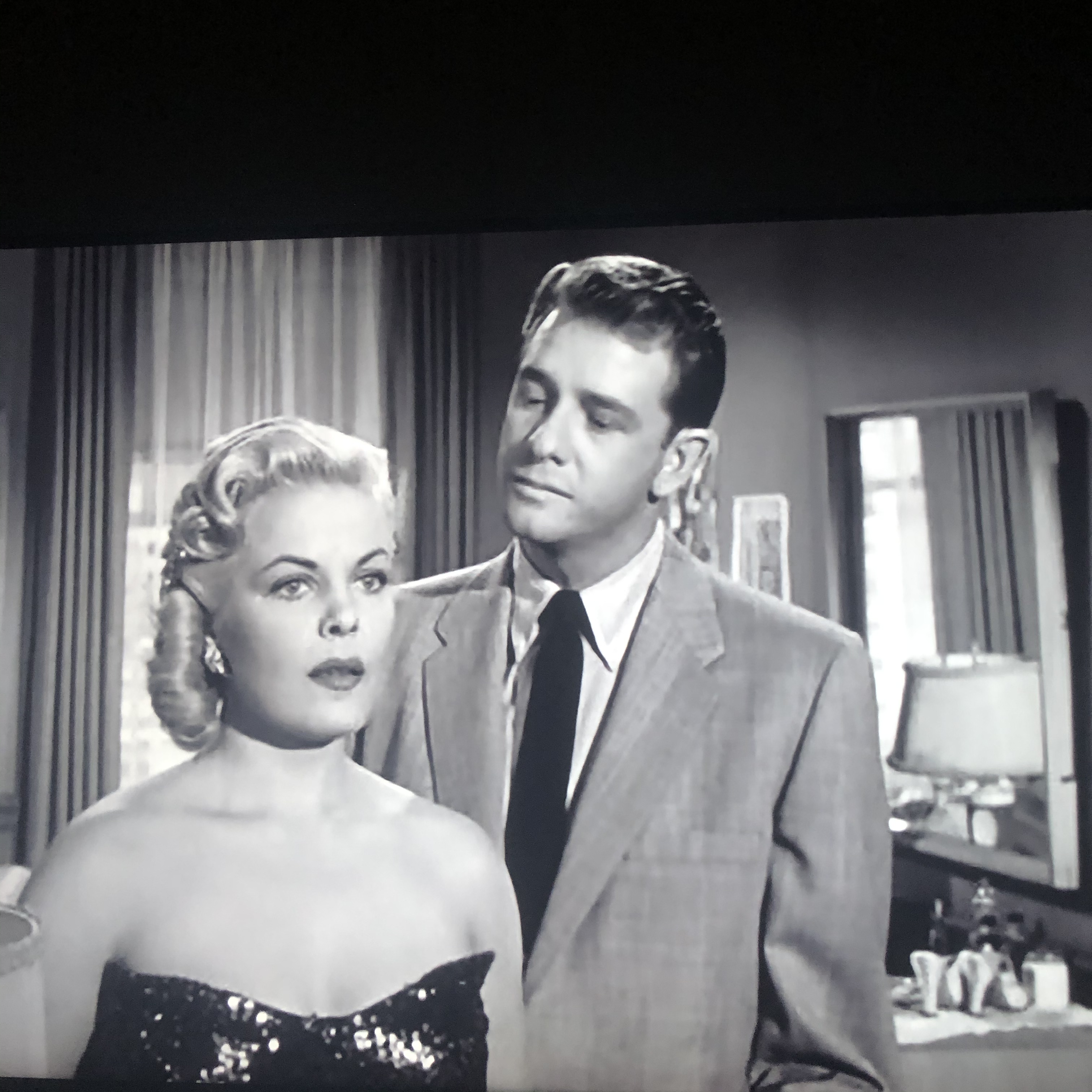
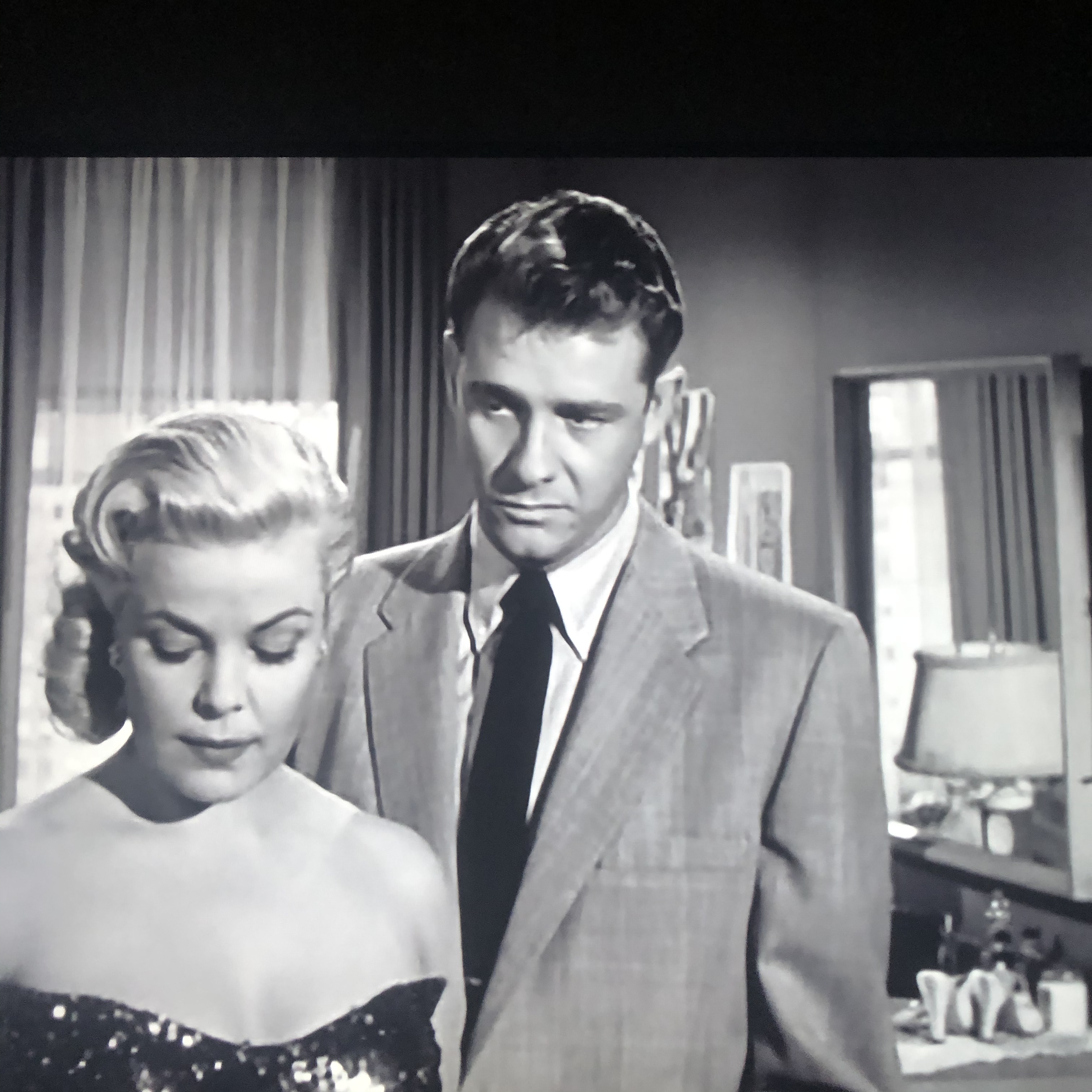
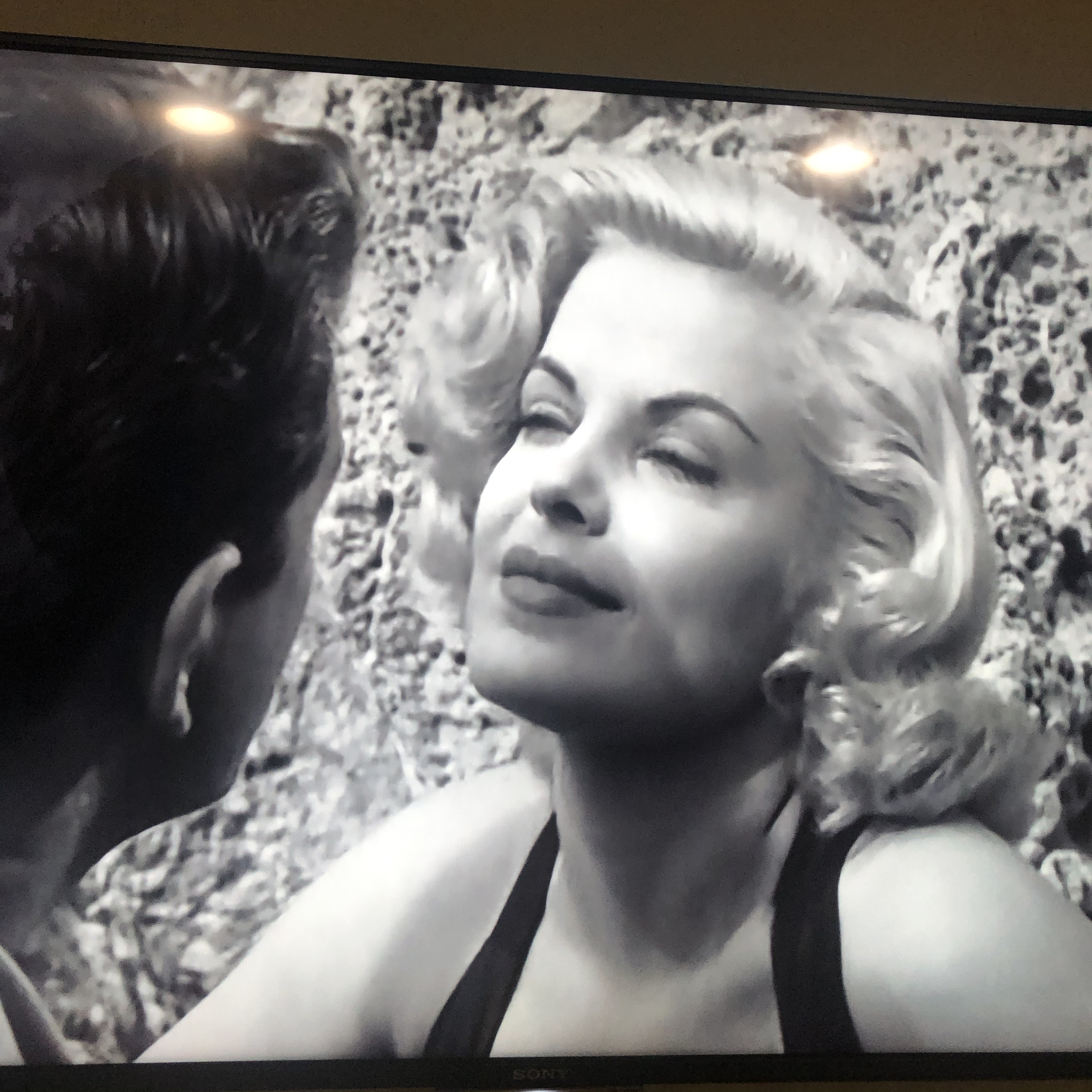
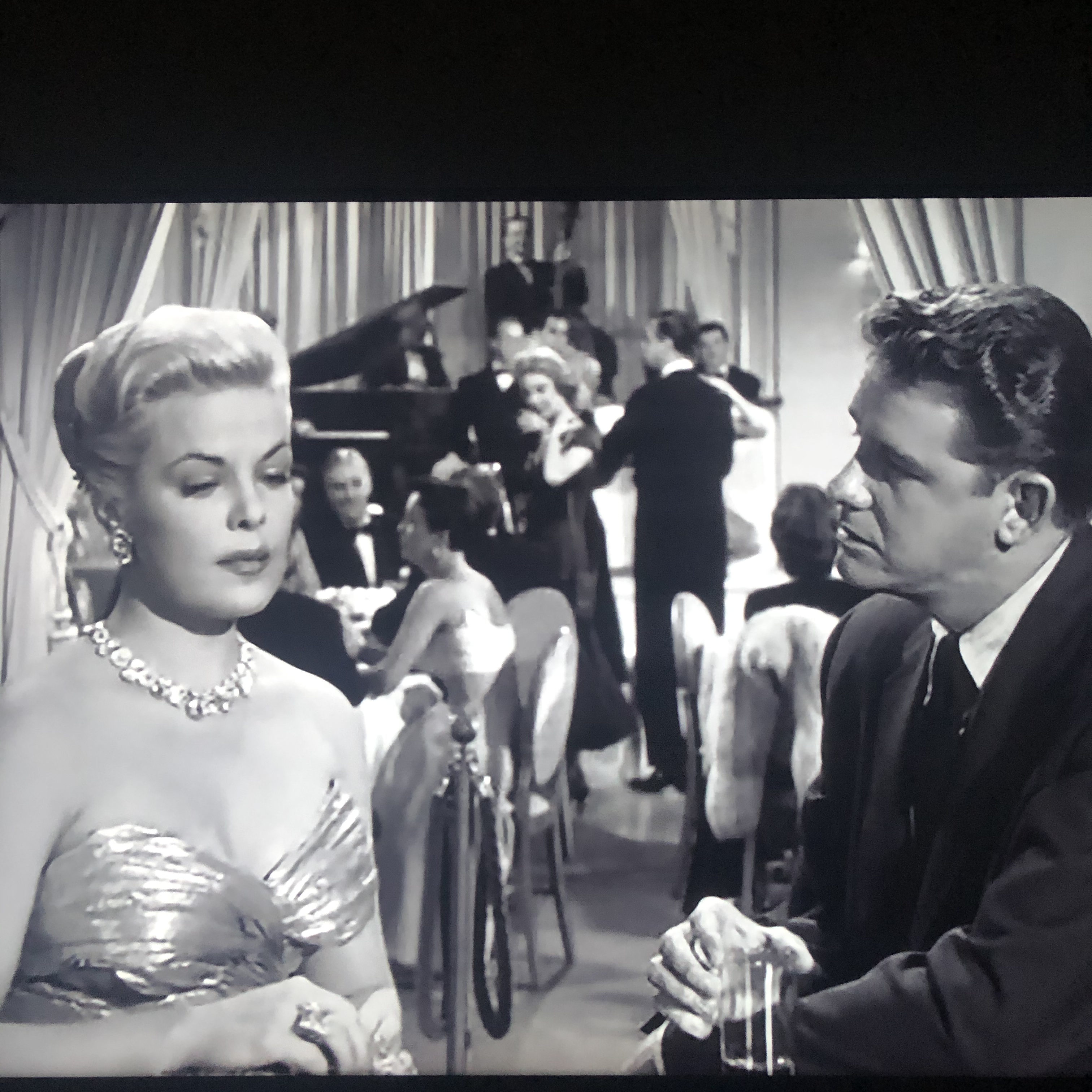
I am in the process of writing a letter to Florida Governor Ron DeSantis regarding the recent Florida bar exam fiasco. In the meantime, check out the photo collage pictured below, which I put together in honor of the Hollywood actress Cleo Moore. If you have been following this blog lately, you already know that I am a huge fan of film noir. What you may not know is that Cleo Moore is one of my favorite film noir artists. (Here is her Wikipedia page.) Recently, the Movies! Network screened her next-to-last movie “Overexposed,” the source of my Cleo Moore collage.

Posted in Uncategorized | Leave a comment

The Florida Bar Exam is a national disgrace

Update (8/19): Here is my open letter to the Governor of Florida (and to all 11 deans of Florida law schools) regarding the Florida bar fiasco.

I interrupt my regular blogging program to bring my loyal readers the following news bulletin, followed by some personal commentary:

Last month, the Florida Board of Bar Examiners rescheduled our state’s bar exam for August 19. Yesterday, the Board announced that, due to technical problems with the exam software, it is now postponing the Florida bar exam to a date yet to be determined in October. This is outrageous on so many levels, but the buck has to stop somewhere: the Florida Board of Bar Examiners is a local and national disgrace and, in my view, is guilty of breach of contract, negligence, and intentional infliction of emotional distress. In the meantime, I call on the members of this board, if they have any sense of decency or a shred of humanity, to apologize to the bar applicants and back up that apology by petitioning the Florida Supreme Court to grant all of them diploma privilege forthwith; otherwise, they must resign. Governor DeSantis, are you listening?

Posted in Uncategorized | Leave a comment

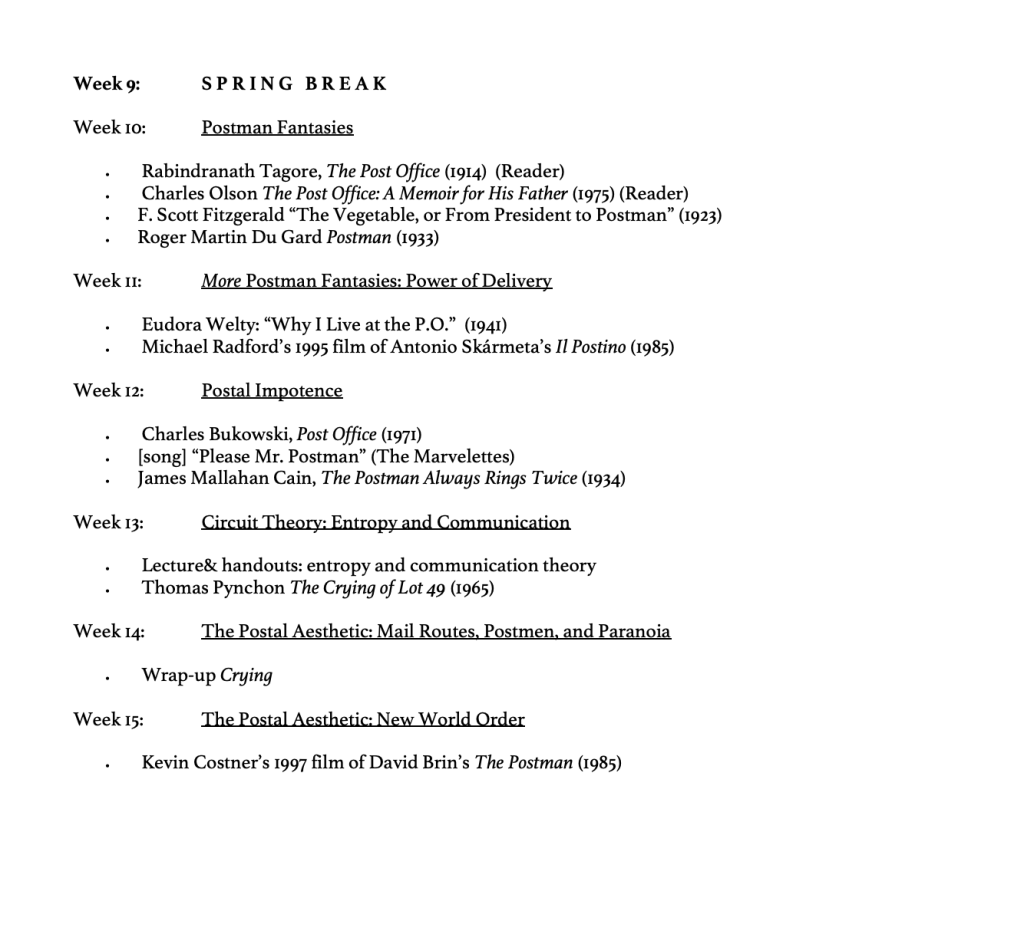
Syllabus of the Day (“Post Office Stories” Edition)

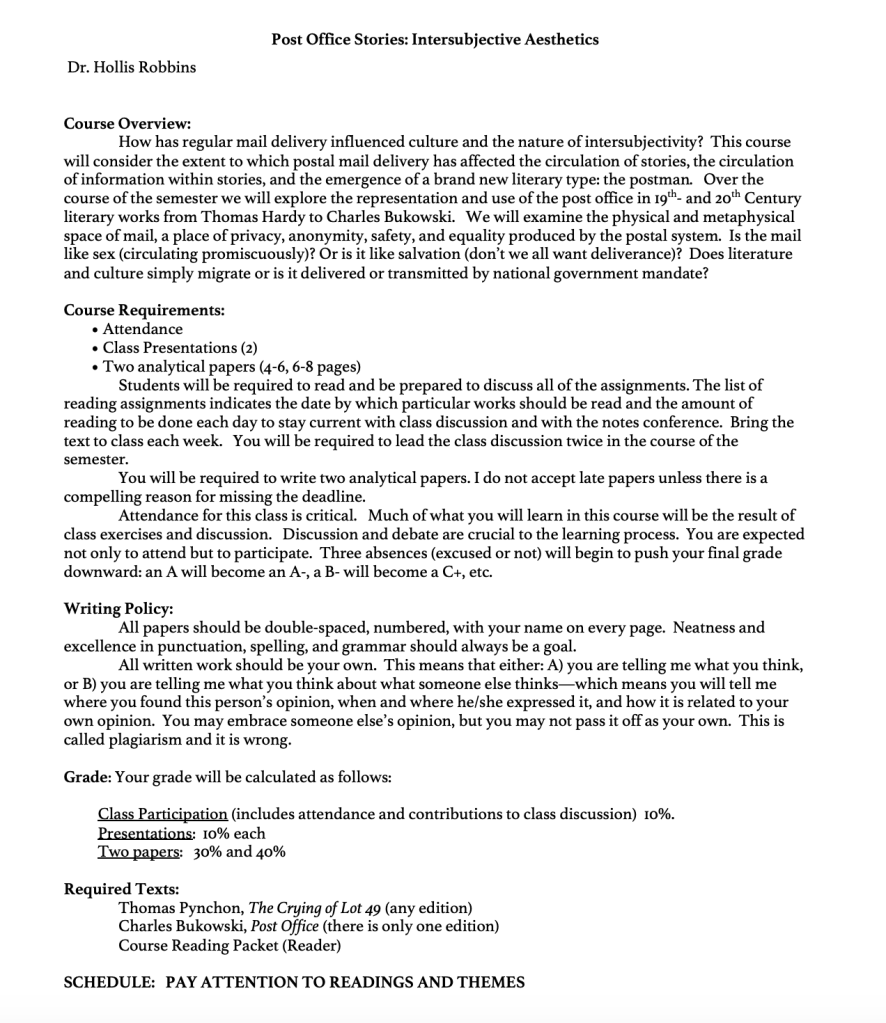
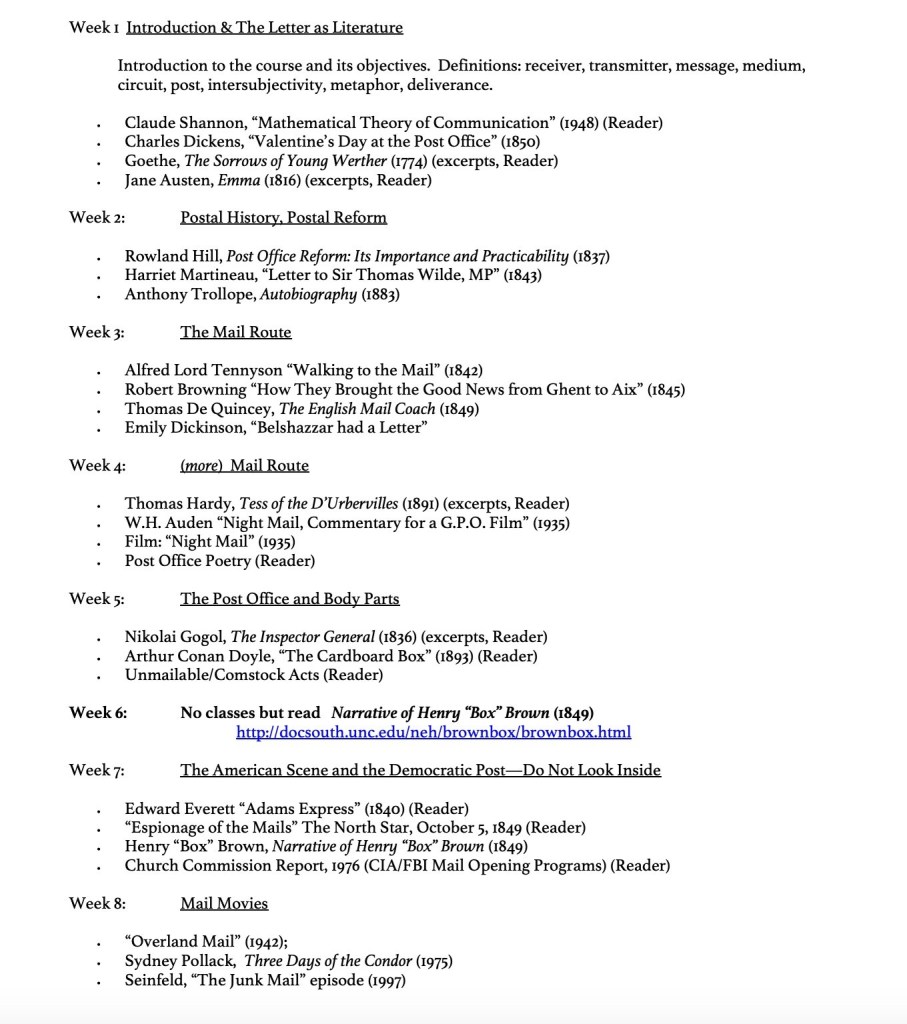
As a child, I used to love visiting the Post Office with my mom. Today, I just discovered that my friend and colleague Hollis Robbins (@anecdotal) is writing a book on the history, literature, and aesthetics of the U.S. Post Office. I can’t wait to pre-order her new book; in the meantime, below is her syllabus for her “Post Office Stories” course. You’re welcome!

Posted in Uncategorized | Leave a comment

Syllabus of the Day (“IP Theory” Edition)

Check out my colleague and friend Brian Frye’s excellent new syllabus for his Intellectual Property Theory course. The focus of his course is not so much on the substance of IP law (black letter law and cases) but rather on teaching students how to think about writing legal scholarship. For my part, I like the focus of this course because in my experience the most important (and the most challenging) aspect of legal scholarship is the idea of a research contribution. (See, for example, this paper by Yves Gendron.) Two cheers for Professor Frye!

Posted in Uncategorized | Leave a comment

My scholarly summer

I have spent most of the last few years writing and revising several business law textbooks, including Business Law and Strategy with Sean Melvin and David Orozco as well as the third and fourth editions of The Legal Environment of Business. (Both textbooks were published by McGraw Hill.) This summer, however, I was able to devote myself to a wide variety of scholarly projects. In brief, I wrote up or substantially revised the following papers this summer:

  1. A Bayesian voting primer, where I compare and contrast quadratic voting and Ramsian voting.
  2. A critique of Ron Allen and Mike Pardo’s relative plausibility theory, where I explain why all proof is probabilistic.
  3. A Nozickian or natural rights approach to COVID-19 lockdowns, where I explain why business owners subject to “lockdown orders” are entitled to just compensation.
  4. Cowen’s Capitalist Manifesto, a review of Tyler Cowen’s love letter to big business.
  5. Frank Ramsey’s Contributions to Probability and Legal Theory, a review of Cheryl Misak’s biography of Ramsey.
  6. Teaching Tiger King, which was recently accepted for publication in the Saint Louis University Law Review.
Light bulb, idea icon on blue | Pre-Designed Illustrator Graphics ...
Posted in Uncategorized | Leave a comment

Snoop Dogg says …

Read the syllabus!
Posted in Uncategorized | Leave a comment

Baptists and bootleggers

If you google the phrase “Baptists and bootleggers,” one of the items that will invariably pop up is this entry in Wikipedia (edited by me for clarity; emphasis added; footnotes and hyperlinks omitted): “Bootleggers and Baptists is a concept put forth by regulatory economist Bruce Yandle, derived from the observation that regulations are supported both by groups that want the ostensible purpose of the regulation, and by groups that profit from undermining that purpose. For much of the 20th century, Baptists and other evangelical Christians [supported] Sunday closing laws restricting the sale of alcohol. Bootleggers sold alcohol illegally, and got more business if legal sales were restricted.”

Or in the eloquent words of Yandle and a colleague (2001), “Such a coalition makes it easier for politicians to favor both groups…. The Baptists lower the costs of favor-seeking for the bootleggers, because politicians can pose as being motivated purely by the public interest even while they promote the interests of well-funded businesses…. [Baptists] take the moral high ground, while the bootleggers persuade the politicians quietly, behind closed doors.” Also, before proceeding, here is a link to Professor Yandle’s original 1983 essay on the subject of Baptists and bootleggers, and here is a link to a follow-up article published in 1999.

As it happens, I was first introduced to this idea in law school by Professor Robert Ellickson and then re-introduced to it many years later by my colleague and friend Todd Zywicki during a two-week crash course in law and economics in Colorado that I attended in 2013. (Shout out to the Law & Economics Center (LEC) at George Mason University for inviting me to attend this excellent summer seminar.) If you think about it, Professor Yandle’s theory has to be one of the most powerful scholarly ideas of the late 20th Century, for it helps to explain almost all forms of economic legislation and regulation. I am thus shocked and surprised that I have not blogged about this idea until today, but I am not here to point fingers (especially at myself) or to rehash an old but powerful theory.

Instead, I am here to restate a question my philosophical friend and fellow blogger Peter Clark recently posed on his excellent “Inverted Logic” blog: what if the moralizing “Baptists” and the rent-seeking “bootleggers” are the same person or group? Clark describes the origins of his “dual-actor” theory here, and he develops the idea further here in The Journal of Brief Ideas. For my part, one of the reasons I find Clark’s dual-actor hypothesis so persuasive is that often a regulated corporation or other large rent-seeking actor will have many stakeholders, and the interests and motivations of these will often diverge among the familiar Baptist and bootlegger lines. So, kudos to Clark and the dual-actor theory!

The Legacy of Bruce Yandle | Mercatus Center: F. A. Hayek Program
Posted in Uncategorized | 2 Comments

Calling all fellow WordPress bloggers

What the heck? Is it just me, or do you dislike the new default “block” editor setting on WordPress as much as I do?

What are WordPress Blocks? And How Do They Work? Explained!
Posted in Uncategorized | 3 Comments

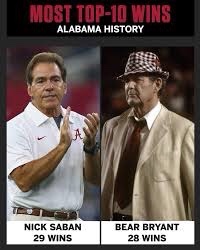
Nick Saban’s contract

According to my colleague and friend Steven Lubet (via The Faculty Lounge), although college football coach Nick Saban’s contract does not (I repeat, NOT) include a force majeure clause, “he still stands to lose over $1 million in incentives if the season is canceled.” What would legendary ‘Bama coach Bear Bryant say?

Bonus question: If the SEC does cancel its fall college football season (like the Big Ten and the Pac 12 have done), could a force majeure clause be implied or otherwise read into Saban’s contract?

Posted in Uncategorized | Leave a comment