
This visualization of daily bus and rail rides in London is based on research conducted by Jay Gordon (MIT). Below the fold is a summary of Gordon’s methodology: Continue reading
This visualization of daily bus and rail rides in London is based on research conducted by Jay Gordon (MIT). Below the fold is a summary of Gordon’s methodology: Continue reading
We wish safe travels to our dearest Sydjia. (Hat tip: u/Prince8888, via reddit.)

File under: Questions Rarely Asked (hat tip: @pickover)
Here is what we are reading–or will be reading soon–as our blissful summer break comes to a close:


(The books by Holly Case and Simon Blackburn–both of which are pictured above–were published last month (July 2018), while David Nichols’s book was published in 2007. Also, we posted part one of our summer readings in this previous post.)
Maybe the bride and groom should consider drafting a “grammar prenup” to address this question! (Bonus question: could the Coase Theorem apply here?)
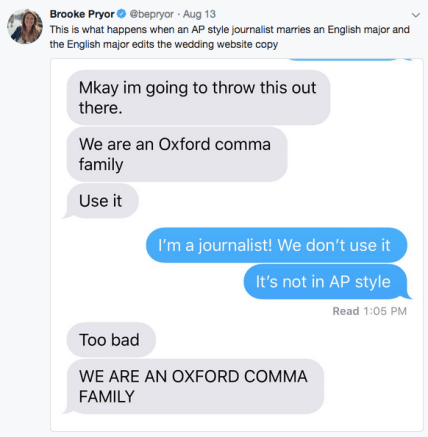
Hat tip to my former student: Andrew C. Sherwood (@Senator_Andy)

Hat tip: u/___Saudade___ (via reddit)
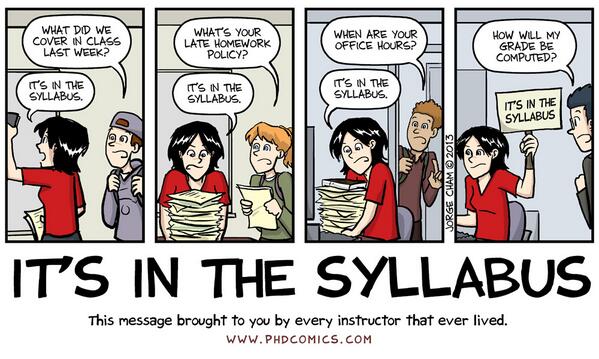
As we begin the new academic year, it’s time for us to revisit the syllabus for our survey course in law and ethics. With this task in mind, we wish to link to this pithy tweet by Jeanne Dyche, reminding us that syllabi are texts too! In addition, we have assembled our previous posts featuring the following fun and innovative syllabi below:
Lastly (for now), something new: Professor Elizabeth Sherowski explains the evolution of her Legal Analysis and Writing syllabus.
What is “the law of necessity”? In particular, is necessity an excuse or a justification? This post assembles our previous musings on this subject:
In brief, we can view necessity narrowly as an ex post exception to violations of law, or we can view necessity broadly as an ex ante independent source of law. In the alternative, we can take an intermediary position and view necessity as a legal gap filler, i.e. a concept that applies only when our sources of positive law (the law on the books) are silent, conflicting, or otherwise vague and ambiguous. The larger and more difficult question is this: how do we go about testing the truth value of a legal theory?

Say what?
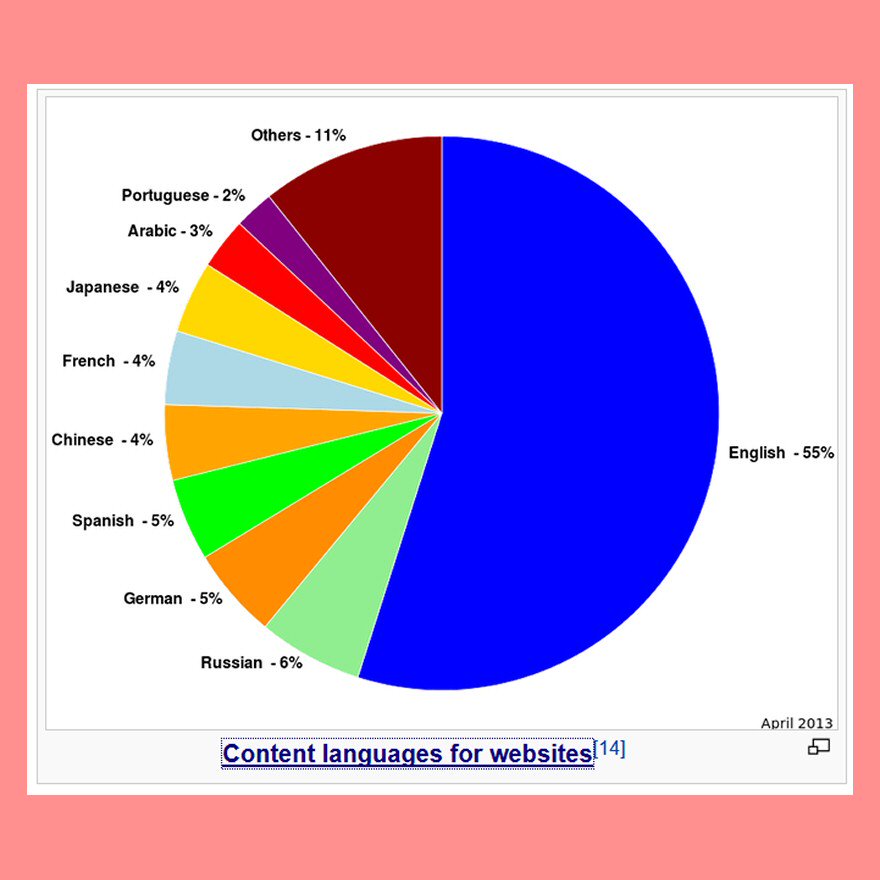
Source: Wikipedia (hat tip: @pickover)










Welcome to the online home of the IASS
Hopefully It’s Interesting.
In Conversation with Legal and Moral Philosophers
Relitigating Our Favorite Disputes
PhD, Jagiellonian University
Inquiry and opinion
Life is all about being curious, asking questions, and discovering your passion. And it can be fun!
Books, papers, and other jurisprudential things
Ramblings of a retiree in France
BY GRACE THROUGH FAITH
Natalia's space
hoping we know we're living the dream
Lover of math. Bad at drawing.
We hike, bike, and discover Central Florida and beyond
Making it big in business after age 40
Reasoning about reasoning, mathematically.
I don't mean to sound critical, but I am; so that's how it comes across
remember the good old days...
"Let me live, love and say it well in good sentences." - Sylvia Plath
a personal view of the theory of computation
Submitted For Your Perusal is a weblog wherein Matt Thomas shares and writes about things he thinks are interesting.
Logic at Columbia University
Just like the Thesis Whisperer - but with more money
the sky is no longer the limit
Technology, Culture, and Ethics
Just like the horse whisperer - but with more pages
Poetry, Other Words, and Cats

 prior probability