
Is it improper for prosecutors (or for defense attorneys) to quantify the burden of proof in jury trials? Check out the recent case of People v. Van Meter (available here), in which a Colorado court of appeals reasoned as follows:
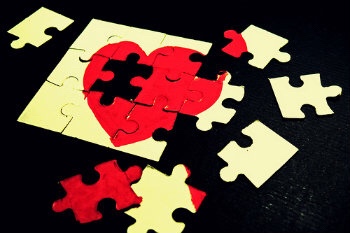
During voir dire, the prosecutor showed the potential jurors an incomplete puzzle of a space shuttle (with only sixty-six percent of the pieces present), stated that the image was a space shuttle “beyond a reasonable doubt,” and asked the potential jurors whether anyone disagreed, which none did; the prosecutor also showed the image during closing arguments. By using the iconic and easily recognizable space shuttle image, the prosecutor “invite[d] the jury to jump to a conclusion about [the] defendant’s guilt,” especially because the jury was shown an image and told that it was a space shuttle “beyond a reasonable doubt.” See alsoPeople v. Katzenberger, 101 Cal. Rptr. 3d 122, 127 (Cal. Ct. App. 2009) (concluding that a prosecutor improperly quantified the burden of proof by displaying an eight-piece puzzle of the Statue of Liberty missing two pieces and saying “this picture is beyond a reasonable doubt”). The prosecutor’s use of a two-thirds completed puzzle analogy also improperly quantified the burden of proof, even where the prosecutor did not undertake to quantify the number or percentage of missing pieces.
(Hat tip: Volokh Conspiracy.)
 How many divisions do the pacifists have? Still, I guess it was worth a try. Hat tip: @pickover.
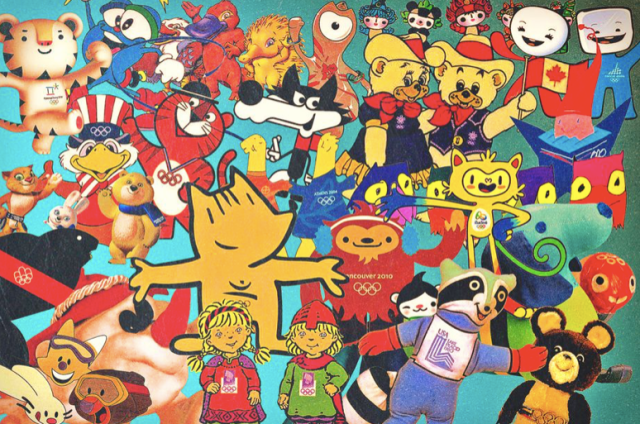
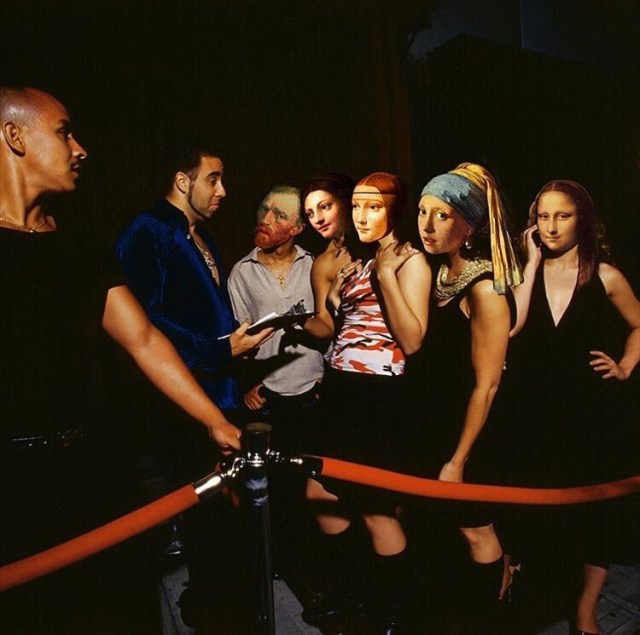 Caption: “We’re on the list!” The creative collage pictured above is by the artist Dan Cretu. We discovered the amazing Mr Cretu via kottke.org; you can check out more of his whimsical works









 prior probability