We are attending a symposium on “Internet freedom” at GW Law School in Washington, D.C. today (22 Sept.). My only complaint is that I wish the Federalist Society, which sponsored the conference, had invited Professor Larry Lessig, a champion of Internet regulation and “net neutrality,” to defend the social costs (see below) of Internet regulation. (Note: we will discuss the pros and cons of Internet regulation in future posts.)
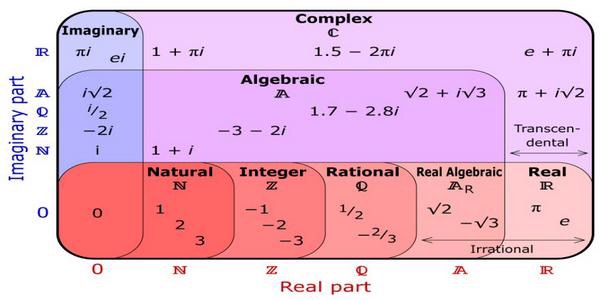
Taxonomy of Numbers
Assorted links: “Voight-Kampff Machine” edition
- BFI: Are you a replicant?
- Urban Dictionary: Voight-Kampff machine
- All the tests: Voight-Kampff test questions
- Google Scholar: Voight Kampf
- YouTube: Ridley Scott’s favorite scene from Blade Runner (see below)
#Hope #MexicoCity #PR
Estamos con la Ciudad de Mexico y la Isla de Puerto Rico.

Moe’s Tavern floor plan
Check out the fictional floor plans of the Cantina in Star Wars, the offices of Sterling Cooper in Mad Men, and many others here, via bizdaq. (Hat tip: digg.)
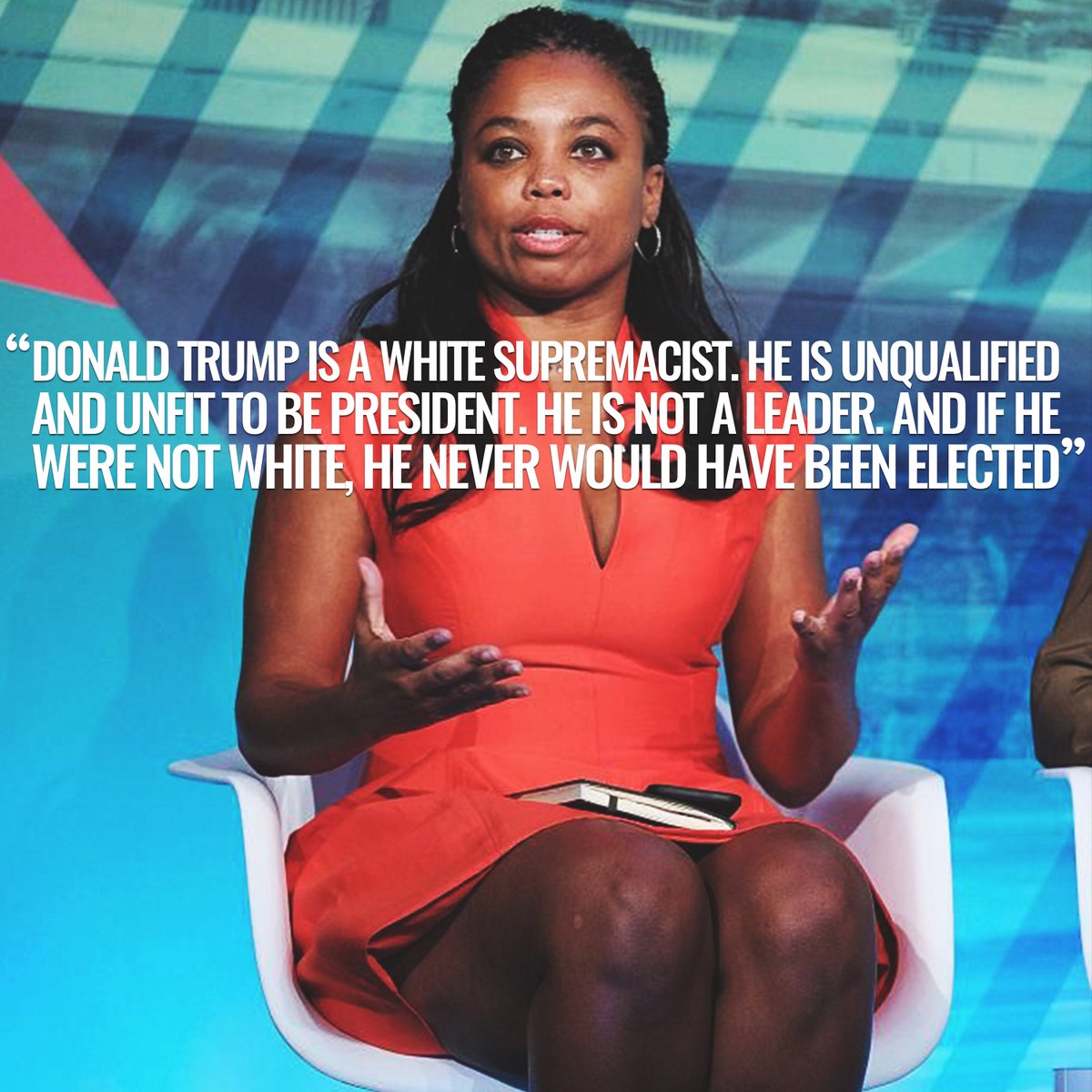
L’affaire Jemele Hill and libertarian first principles
Is Donald Trump surrounded by white supremacists? Is it disrespectful and downright rude to sit down during the national anthem? Although we think Jemele Hill and Colin Kaepernick (pictured below) are wrong, as good libertarians (and good Bayesians!), aren’t we morally obligated to defend their moral right to express themselves? (After all, they might be right!) But that said, by the same logic, don’t NFL team owners and whoever calls the shots at ESPN also have the reciprocal right not to hire (or fire) people they disagree with? If so, whose right to speech should prevail in these cases? More fundamentally, what is the “optimal amount” of free speech?
Lego art
Read more about the “Lego Mona Lisa” in Duncan Macleod’s post: Lego Masters in Pixel Art.

Hat tip: Cliff Pickover
Machine morality
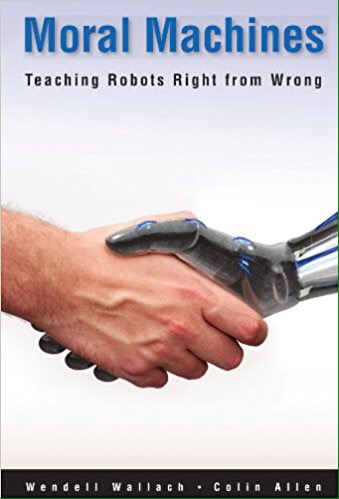
Is it possible to teach machines the difference between right and wrong, and if so, what theory of ethics would we teach them, Kantian or Humean ethics? We finally discovered the work of Wendell Wallach, who addresses these esoteric questions in his book “Moral Machines” (available here, via Amazon), another must-read for us. (Dr Wallach gave the keynote lecture at the A.I.-and-the-law colloquium at the Savannah Law School this weekend.) We will read Dr Wallach’s work and report back in a future post.
A modest proposal (Judge Posner edition)
Now that Richard Posner has announced his retirement from the bench, who will replace this legal legend on the Seventh Circuit? We propose IBM’s Watson computer! If Watson can be programmed to win game shows and diagnose patients, why couldn’t it be deployed to decide cases? Of course, even if President Trump followed our suggestion and appointed Watson to replace Posner, it would still have to be confirmed by the Republican do-nothing Senate, but really, who else could fill Posner’s shoes? (Caveat: if confirmed, would Watson have to recuse itself in any case in which IBM was a party or in any case involving artificial intelligence?)
For what it’s worth, this unorthodox idea occurred to me during a colloquium on A.I. and the law held at the Savannah Law School. In particular, shout out to Professor Kellyn McGee (@TheEthicsProf). It was a question she posed to me after my talk on “machine judges” that sparked this modest proposal.