
(Continued from yesterday’s post)
Adam Smith’s private pupil at Glasgow, Thomas Petty-Fitzmaurice, became ill yet again in the fall of 1760. In a letter (dated November 11, 1760) to Fitzmaurice’s father, Lord Shelburne, Smith writes:
“Mr Fitzmaurice being at present indisposed with sore eyes I write this letter to make his apology to your Lordship and to Lady Shelburne for his not having written so regularly of late as usual. He got cold at Inveraray [a small coastal town in Argyll and Bute, Scotland, located on the western shore of Loch Fyne], the effect of which was to make the scurvy on his face strike in and fall upon his eyes. They were, he tells me, ill there, and have been so ever since his return. These three days he has been confined to a dark room. Had he taken proper care of them immediately upon his return, they probably would have given him less trouble. But his manliness hinders him from being so careful of his person, or as attentive to the first beginning of Disorder as I would wish him. The inflammation is in the ball of one of his eyes.” [1]
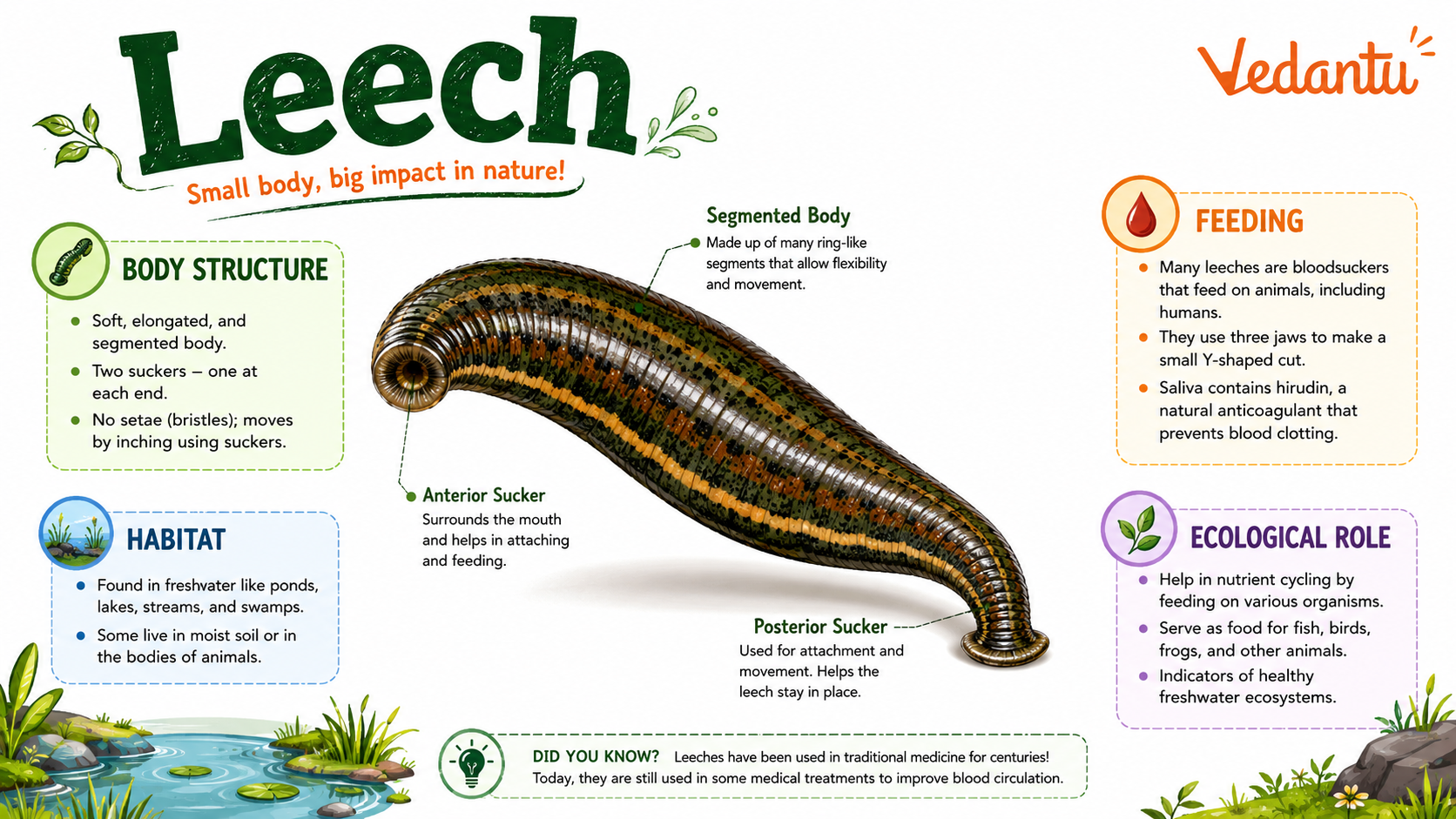
Next, Smith reassures Lord Shelburne that his son underwent medical treatment and is now “free from all pain.” The treatment? Leeches! Smith writes: “By the application of Leeches it [the eye-inflammation] is this day a good deal reduced and he is free from all pain.” [2]
As it happens, leeches are still prescribed by doctors today! As Lydia Kang and Nate Pederson (2017, p. 220) explain, “After reconstructive surgeries for delicate, small areas such as fingers, ears, and nose tips, leeches can gently decompress tissues engorged with blood, and by doing so, improve blood flow and the survival rate of those tissues.” [3] But in Smith’s day, leeches were prescribed far more frequently and for a wider variety of ailments. In fact, according to Kang and Pederson (p. 212), leeches and bloodletting were two sides of the same medical coin:
“Leeches and bloodletting were believed to accomplish the same goal–relieving the body ‘congested’ of blood and inflammation. By bleeding away the “bad” blood, you could potentially bleed away the problem. Any problem. The reasons for leeching were many, including venereal diseases, brain inflammation, epilepsy, hysteria, organ disease, and tuberculosis.” [4]
But if leeching and bloodletting accomplish the same goal, why would a doctor in Smith’s day use a slimy creature instead of a metal projectile to let the blood flow? In a word, pain-relief. A leech bite, according to Kang and Pederson (2017, p. 213), is “relatively painless”:
“Unlike lancets, fleams, or bladed scarificators [i.e. the sharp tools of the bloodletting trade], a leech bite was relatively painless, thanks to its saliva. A genius concoction of chemicals; leech spit thoughtfully contains anesthetics to keep its host comfy and unaware ….” [5]
In the case of Petty-Fitzmaurice, the bloodletting and blood-sucking worked. Doctors removed some of Petty-Fitzmaurice’s blood on the two occasions he fell ill, and the patient recovered both times. [6] But one of Smith’s future pupils would not be so lucky. For his part, Smith would witness many more bloodlettings during tail end of his travelling-tutor years in France–with fatal consequences.
Nota bene: I will resume my series on “Adam Smith and the absurd prescriptions of doctors” on Monday (21 September).
[1] Corr. 52
[2] Ibid.
[3] Kang & Pederson 2017, p. 220. Kang and Pederson devote an entire chapter of their history of quackery to leeches. See ibid., pp. 211-220. See also this 2017 report about a Polish immigrant who opened his own leech medical practice in Greenpoint, New Jersey.
[4] Ibid., p. 212.
[5] Ibid., p. 213.
[6] In Smith’s last known letter to Lord Shelburne (also dated Nov. 11, 1760), Smith writes: “Mr Fitzmaurices eyes are much better. He has been abroad, yesterday to take the air in a Post Chaise, today to attend his Classes. He is still, however, obliged to wear a piece of Black Silk over them and cannot yet venture to use them.” Corr. 53.











Pingback: Adam Smith and *absurd prescriptions* of doctors (continued): three moderate tea cupfuls of blood | prior probability
Pingback: Epilogue: Adam Smith on the *absurd prescriptions* of doctors | prior probability