“Cause-in-fact” is a common law doctrine used to determine the scope of legal liability in accident cases. In summary, judges apply a counterfactual “but-for” test to determine whether event x was a necessary or “legal” cause of outcome y; in other words, “but-for event x, outcome y would not have happened”. This test can also be extended to historical events. By way of example, on this day (28 June) in 1914, Archduke Franz Ferdinand of Austria and his wife Sophie, Duchess of Hohenberg (pictured below, left), were assassinated in Sarajevo, the capital of the Austro-Hungarian province of Bosnia and Herzegovina. (The perpetrator of this heinous act was 19-year-old Gavrilo Princip, a member of Young Bosnia and one of a group of assassins armed by the Black Hand, a secret military society formed in 1901 by a group of army officers in the then-Kingdom of Serbia.) The assassination of Ferdinand and Sophie became the casus belli of the Central European conflict that eventually expanded to become the First World War.
So, to commemorate the upcoming ten-year anniversary of this blog (5 July 2023), I am featuring ten of my previous blog posts having to do with national flags:
To commemorate the ten-year anniversary of this blog (5 July 2023), I am reposting ten of my previous blog posts featuring various aspects of the science-fiction TV and movie series created by Gene Roddenberry: Star Trek.
That is the location of the silence-loving doctor’s residence in Sturges v. Bridgman, an oft-cited 19th Century nuisance law case involving noise and vibrations emanating from a confectioner’s kitchen. I wrote about this classic case in my latest paper “Coase’s Parables“, which was just published in the Mercer Law Review. (The late great English economist Ronald Coase had used this case to illustrate the reciprocal nature of harms.) As stated by the London judge who decided this immortal dispute, the facts are as follows:
“The plaintiff was a physician, who occupied as his professional residence the house No. 85 Wimpole street, the lease of which he purchased in 1865. Wimpole street is crossed at right angles by Wigmore street, and the plaintiff’s house, which was the second house from the corner where Wigmore street crosses, had at its rear a garden, at the end of which the plaintiff erected a consulting room in 1873. The defendant was a confectioner, who carried on business at 30 Wigmore street, and his kitchen was at the back of his house, having been erected on ground which was formerly a garden, and which abutted on the portion of the plaintiff’s garden on which he built the consulting-room. Thus one of the side walls of the consulting-room was the back wall of the defendant’s kitchen.”
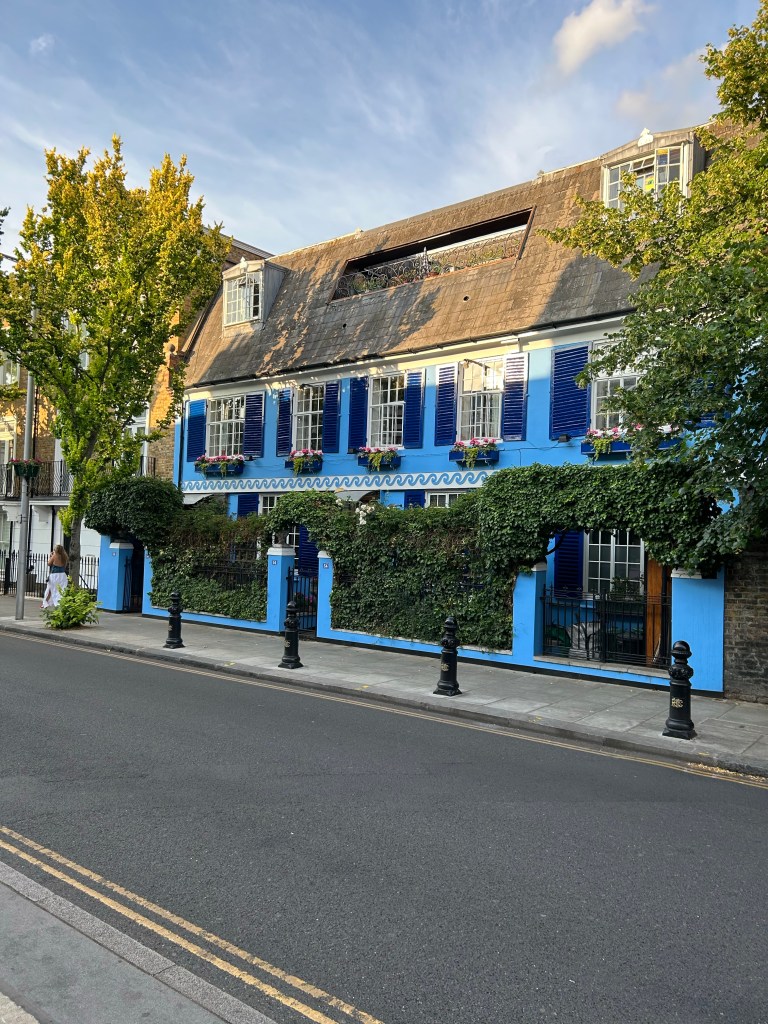
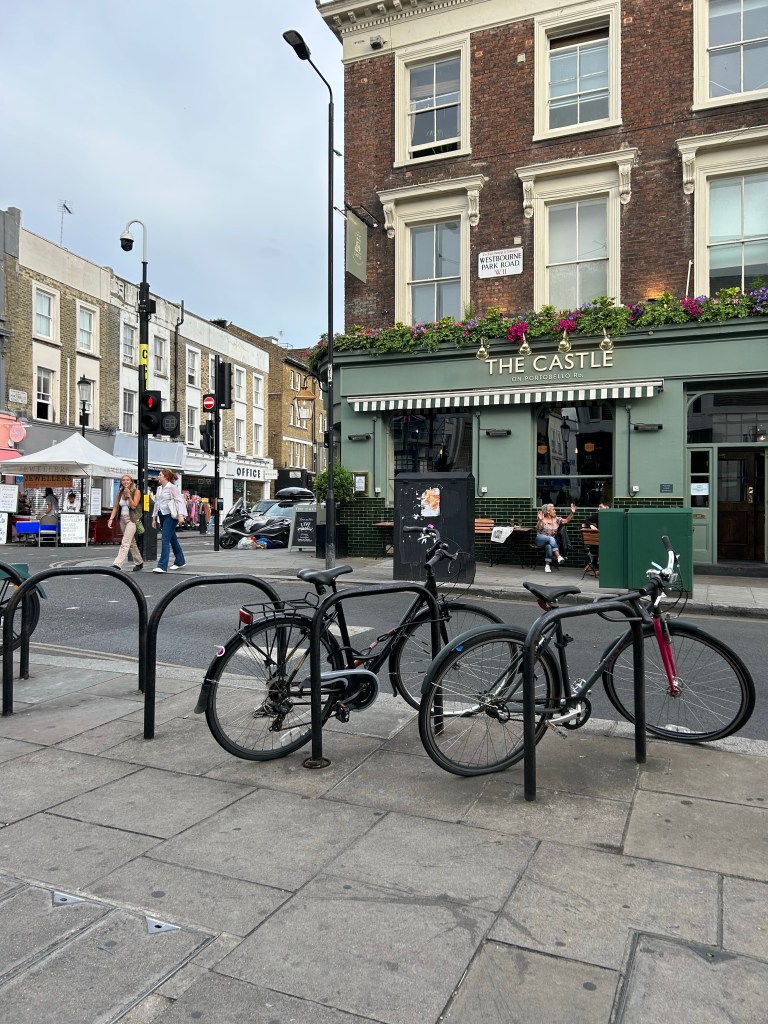
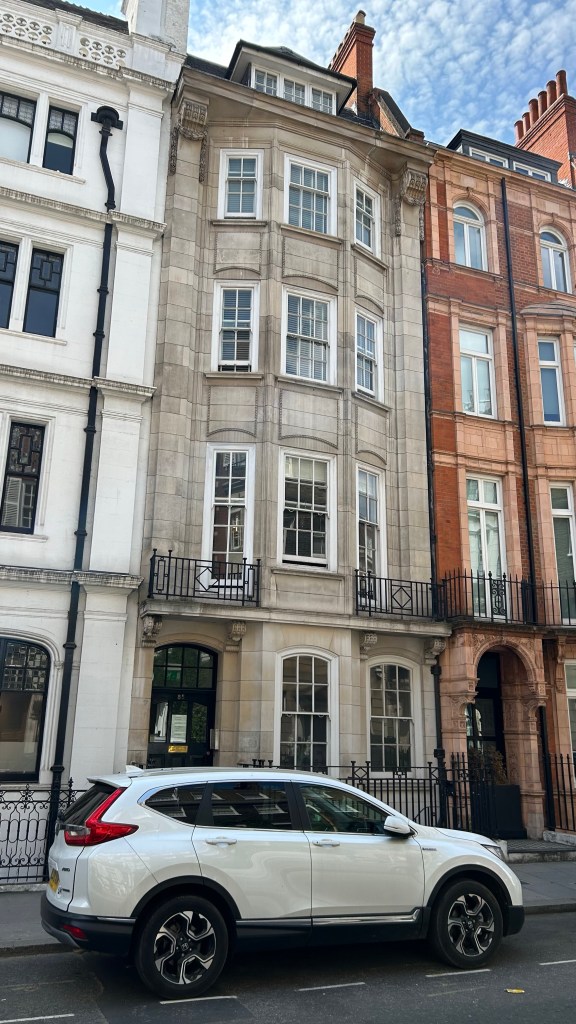
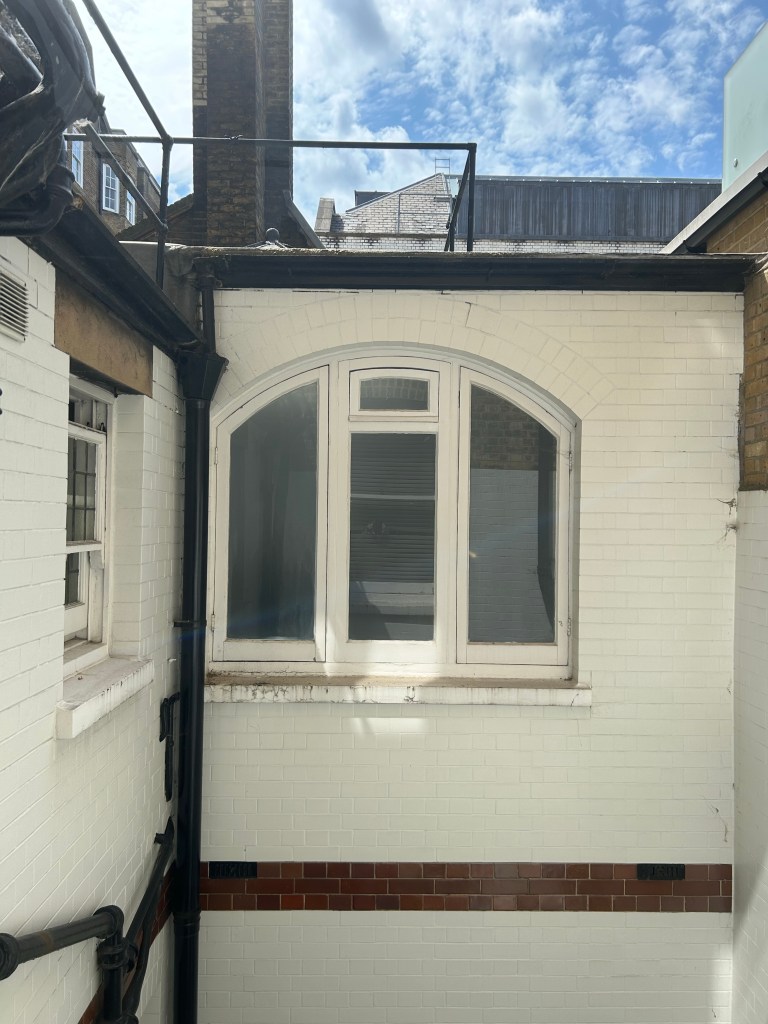
Alas, the confectioner’s business on 30 Wigmore Street no longer exists, but earlier this week, I visited 85 Wimpole Street, and I was even able to step inside the doctor’s former residence. See pictures below:
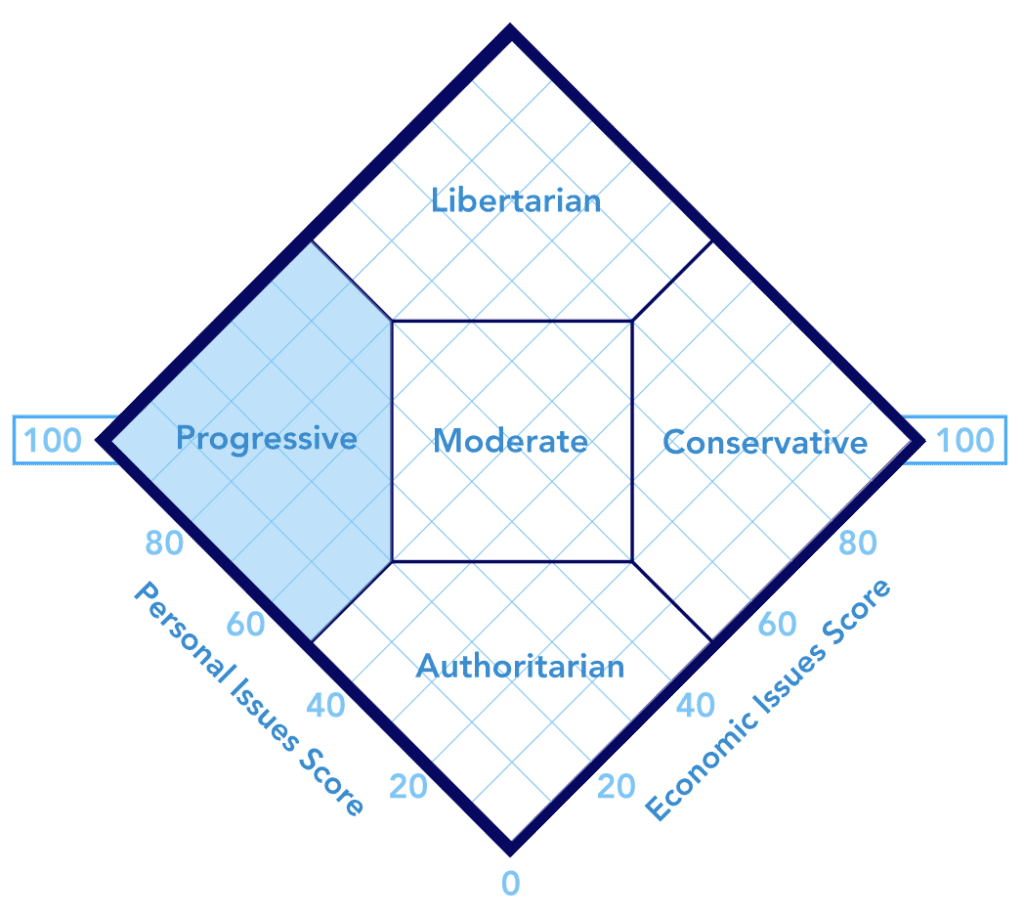
I revised my draft of “Die Adam Smith Probleme” during my train ride from Edinburgh to London, and I have just posted my revised work on SSRN (see here). Among other things, I added two new and related open problems to my growing list of unsolved Adam Smith mysteries. One has to do with Smith’s politics: is Smith really a hardcore libertarian or is he a closet progressive? (Into which quadrant in the diagram below, for example, does Smith best fit?) The other refers to Smith’s concern for the plight of the poor and his views on economic inequality: would Smith be in favor of or opposed to income redistribution?
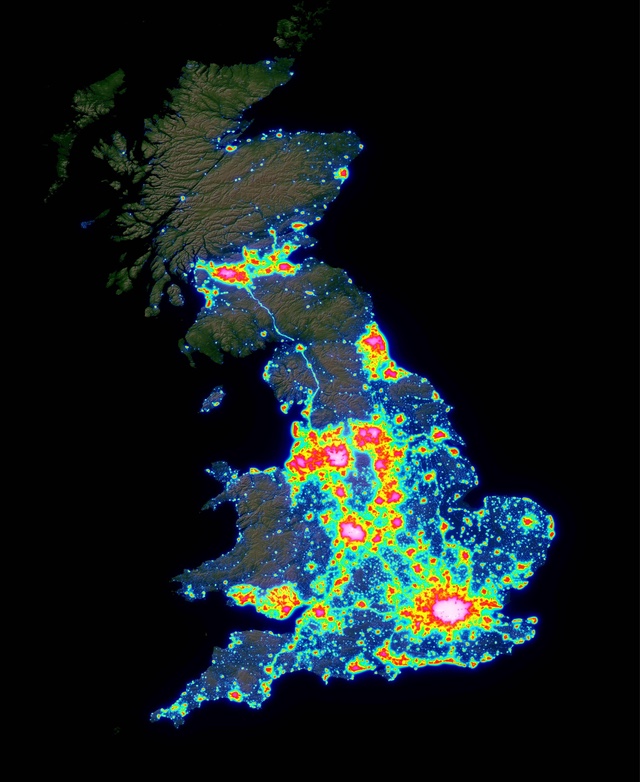
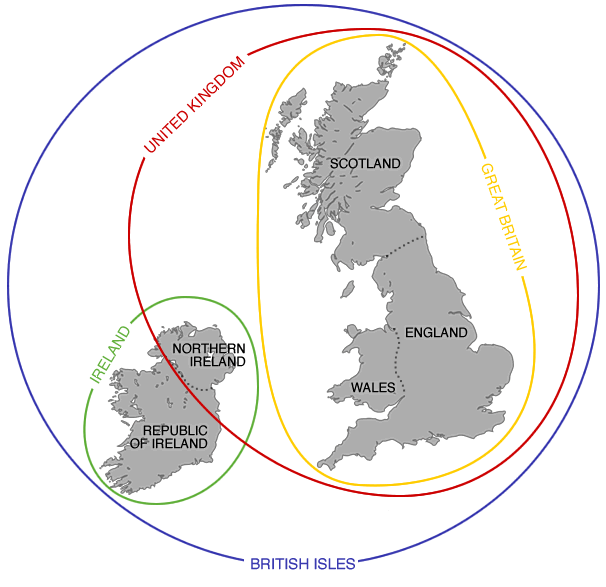
I have posted a wide variety of maps since I began blogging in July of 2013. (See, for example, yesterday’s post.) So, in honor of the upcoming ten-year anniversary of my “Prior Probability” blog, and since I was in Glasgow and Edinburgh earlier this month and am now in London, I am reblogging an eclectic collection of three maps of the United Kingdom from December 2020. Enjoy!



















 prior probability