The optimal amount of SCOTUS leaks is not zero (part 1 of 3)

Alternative title: Transparency and openness for thee but not for me

I was in Mexico City when an entire draft opinion in one of the Supreme Court (SCOTUS)’s abortion cases was leaked to the public (see here), so I am a little late to this party, but I have been wanting to chime in for two months now. In brief, the leak was denounced by the usual suspects (see here, for example), and the chief justice even called the leak “a betrayal” and ordered the Supreme Court marshal to conduct an internal investigation. I, however, want to offer a different perspective. To the point, I want to defend the leak and heap praise on Alito’s mysterious leaker. After all, in this particular case the leak did not threaten “national security” (whatever that means). More generally, if SCOTUS is going to continue deciding political cases and continue insisting (falsely, by the way) that it has the “final” word on questions of constitutional law, then why should SCOTUS judges (I refuse to call them “justices”) get to operate in total secrecy after oral arguments? On the contrary, I would argue that in cases involving politics (abortion, affirmative action, gun control, etc.) the public has some right to know what SCOTUS judges are up during their deliberations. SCOTUS is not an oracle; it is a branch of the federal government, a branch that has given itself the counter-majoritarian power of “judicial review,” a power that is nowhere to be found in the text of the Constitution. (To be continued …)
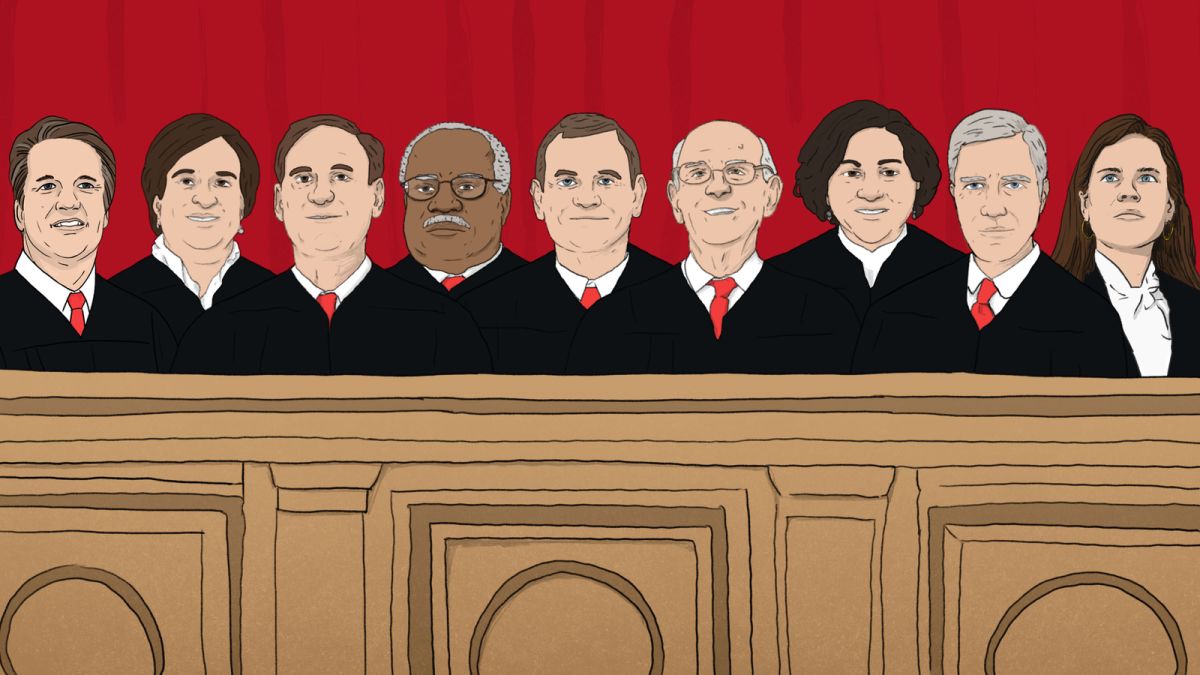
Supreme Court's final weeks: Obamacare, voting laws and LGBTQ rights in  play - CNNPolitics
Posted in Uncategorized | 2 Comments

Academic freedom for me but not for thee

File under: Annals of liberal law professor hypocrisy. Bonus material: check out this video by Johnny Harris calling out additional forms of progressive hypocrisy.

Happy Birthday, Adela!
Posted in Uncategorized | 1 Comment

Ricky Martin, Domestic Violence, and Strategic Behavior

Via the Drudge Report, I just learned that Latin music star Ricky Martin was the subject of a domestic abuse restraining order in Puerto Rico (see here). The identity of the person who requested this order, however, is protected under Puerto Rico’s sweeping domestic violence law, so my 2006 paper on “Domestic Violence, Strategic Behavior, and Ideological Rent-Seeking“, might (or might not) be relevant to this case. (As an aside, Ricky Martin’s “La Copa de la Vida” is my favorite World Cup theme song of all time.)

Posted in Uncategorized | Leave a comment

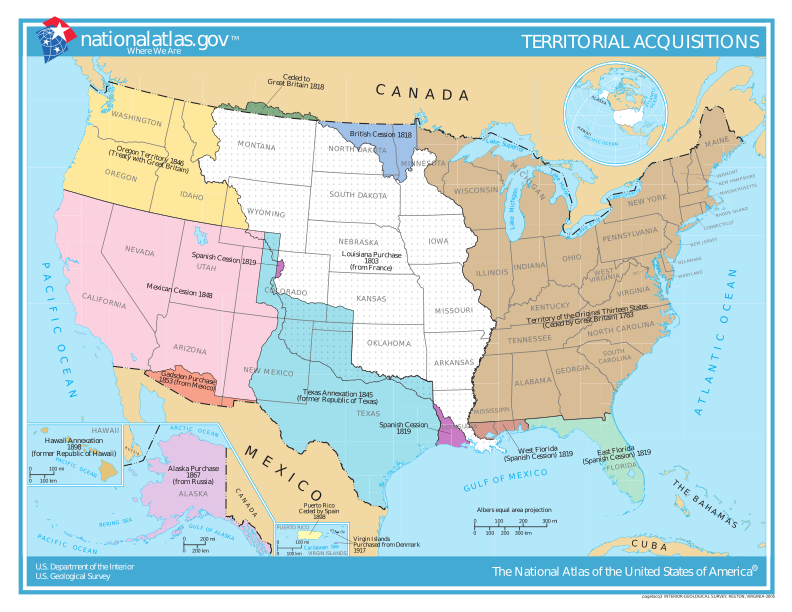
Happy Louisiana Purchase Day?

On this day (July 4) in 1803, the terms of the treaty between the United States and France for the purchase and sale of Louisiana — the Vente de la Louisiane or “Louisiana Purchase“, a treaty that quite possibly changed the course of world history — are announced to the public: $15 million for 828,000 square miles west of the Mississippi River.

File:Aquired Lands of the US.svg
Posted in Uncategorized | 1 Comment

What is the 4th of July to Native Americans?

Your annual reminder of why I don’t like celebrating Independence Day.

Posted in Uncategorized | Leave a comment

In praise of Cowen & Tabarrok

Model this! Tyler Cowen and Alex Tabarrok are still my favorite bloggers, by far. To see why, below are links to my top-ten entries for the month of June from their Marginal Revolution blog, an eclectic and wide-ranging repository of information that they still somehow manage to update multiple times a day:

  1. Fact Checking Increases Fake News (June 1)
  2. My Conversation with Jamal Greene (June 2)
  3. Moving From Opportunity: The High Cost of Restrictions on Land Use (June 2)
  4. What are the markers of spam emails? (June 8)
  5. Ayn Rand on the Tonight Show (June 9)
  6. “Which book can attract anyone towards your field of study?” (June 10)
  7. Grade non-disclosure agreements (June 20)
  8. The intellectual mistake of once-and-for-allism (June 26)
  9. The glories of Irish economics (June 28)
  10. Scottish Enlightenment vs. Irish Enlightenment (July 1).
Cowen (left) and Tabarrok (right)
Posted in Uncategorized | 1 Comment

July reading

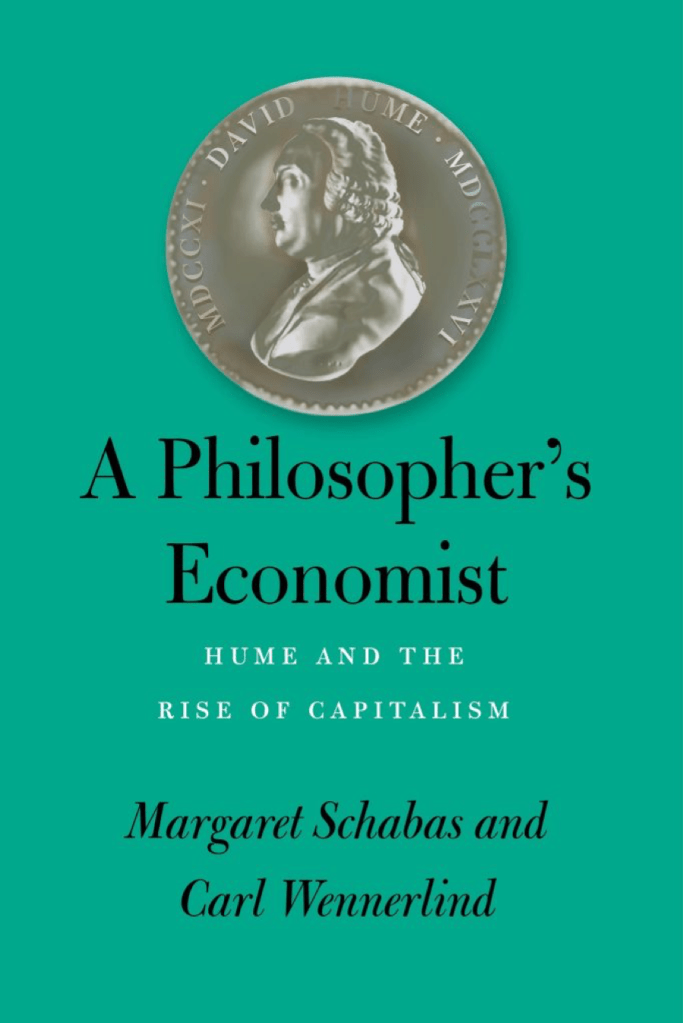
I am busy proofreading a textbook (Business Law & Strategy, 2nd edition) and putting the finishing touches on the first part of my “Adam Smith in Paris” manuscript, which I will be presenting later this month at the Universidad de los Andes in Bogota, Colombia, so there is just one book (the cover of which is pictured below) in my reading basket for the month of July.

Posted in Uncategorized | Leave a comment

The Law of the Colonies

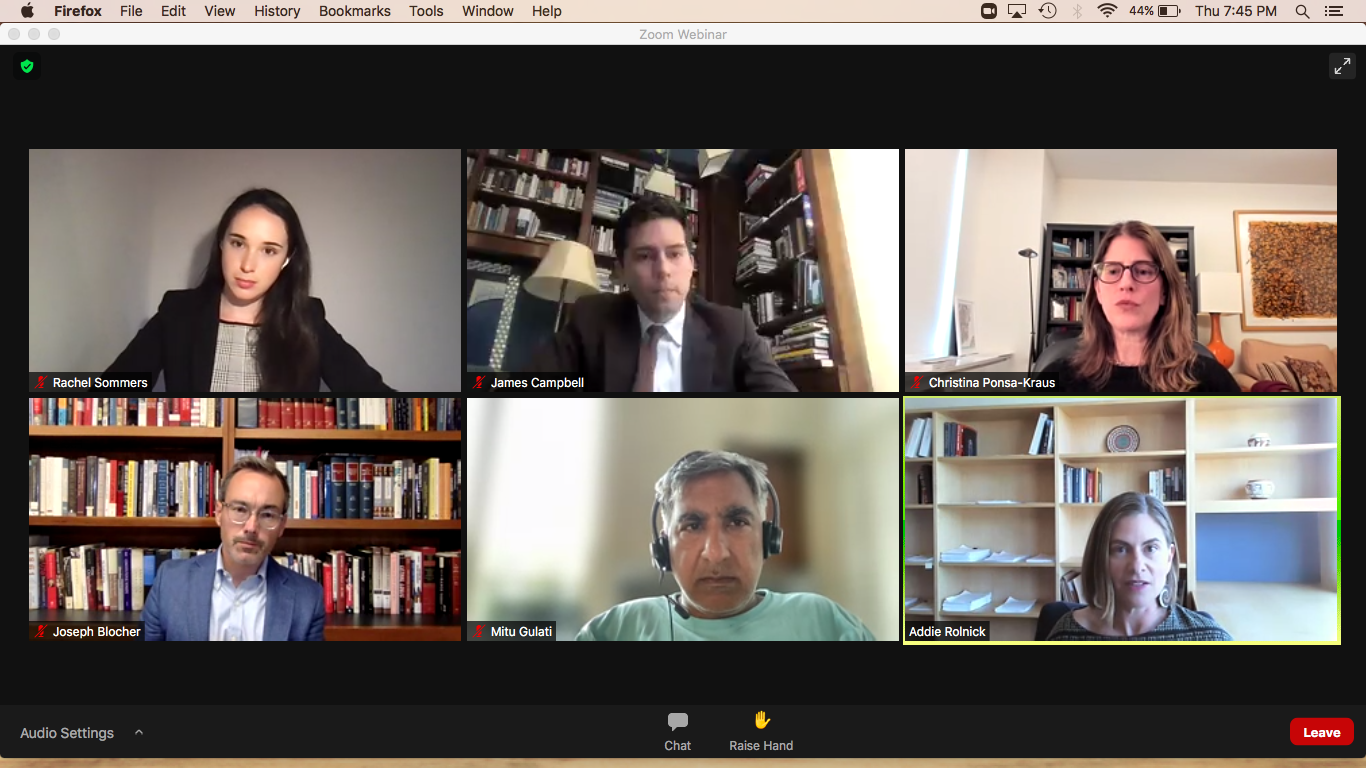
Check out this misnamed special issue of the Yale Law Journal on “The Law of the Territories“. (Misnamed because, despite the joint U.S.-U.K. Atlantic Charter of 1941, the United States still has several overseas colonies, including American Samoa, Guam, the Northern Mariana Islands, Puerto Rico, and the U.S. Virgin Islands.) This special volume, however, contains only four articles:

  1. Navassa: Property, Sovereignty, and the Law of the Territories” (125pp.) by Joseph Blocher and Mitu Gulati. (Navassa is a small Haitian island that is still privately owned by the United States.)
  2. Aurelius’s Article III Revisionism: Reimagining Judicial Engagement with the Insular Cases and ‘The Law of the Territories’” (110pp.) by James T. Campbell. (The Aurelius case, which was decided by the U.S. Supreme Court in 2019, held that the members of the Puerto Rico Oversight Board were not “Officers of the United States”.)
  3. The Insular Cases Run Amok: Against Constitutional Exceptionalism in the Territories” (93pp.) by Christina D. Ponsa-Kraus. (The Insular Cases were a series of controversial cases decided by the U.S. Supreme Court during the early 20th century. These cases held that not all constitutional rights apply to our overseas territories.)
  4. Indigenous Subjects” (107pp.) by Addie C. Rolnick. (This paper explores the rights of indigenous peoples who reside in the overseas territories.)

Alas, I hate to sound anti-intellectual, but this special issue illustrates everything that is wrong with legal scholarship. The papers are too damn long. (The shortest paper is “only” 93 single-spaced pages long!) At least now I know why my submission to this special issue was not accepted for publication, even though I was an Editor of the Yale Law Journal during the 1991/92 and 1992/93 academic years. My paper “Breaking the (Puerto Rican Condorcet) Cycle” is a measly 19 pages long.

Cost-Benefit Analysis for Financial Regulation: A Debate on the Yale Law  Journal | Osservatorio AIR
Posted in Uncategorized | 2 Comments

Hypotheticals

Happy Friday! Check out this beautiful song by Lake Street Dive:

Posted in Uncategorized | Leave a comment

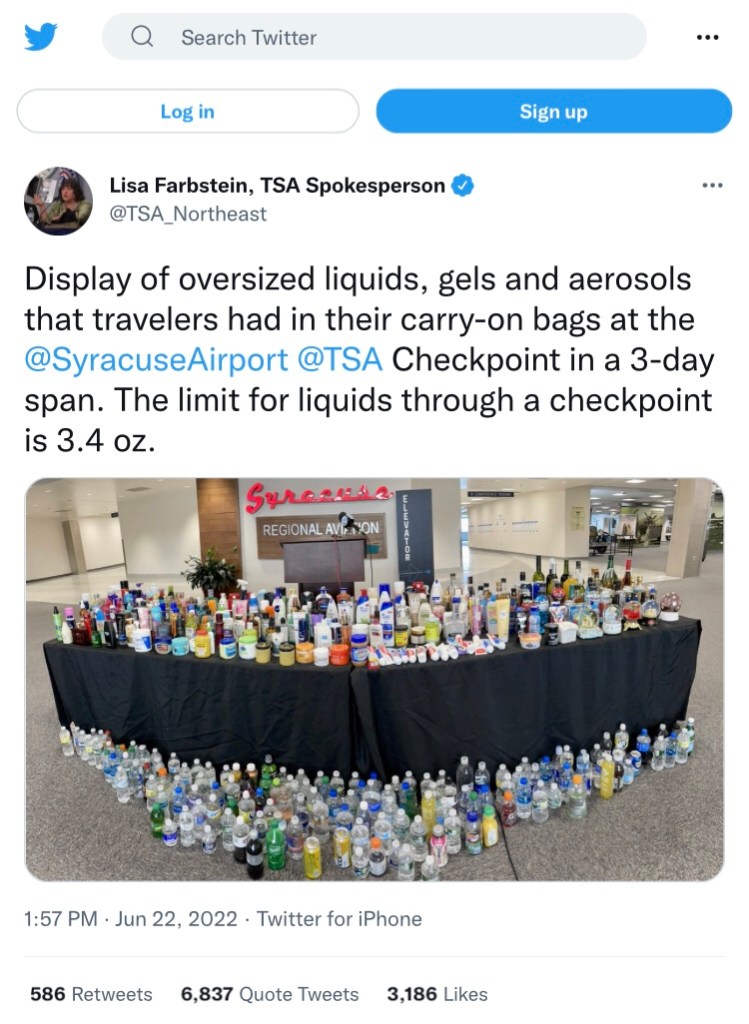
Your TSA tax dollars at work

More details here, via Gary Leff. Bonus: the comments to this lame TSA Tweet are on point.

Posted in Uncategorized | Leave a comment