Update (3/11): I woke up to some good news this morning: the Major League Baseball dispute referred to below has now been resolved. (I will blog more about MLB in the next day or two.)
How many more regular-season games will the Commissioner of Major League Baseball cancel, and which side in this dispute will cave in first, the team owners or the players’ union?
More generally, how can we tell when a particular threat is genuine or fake?
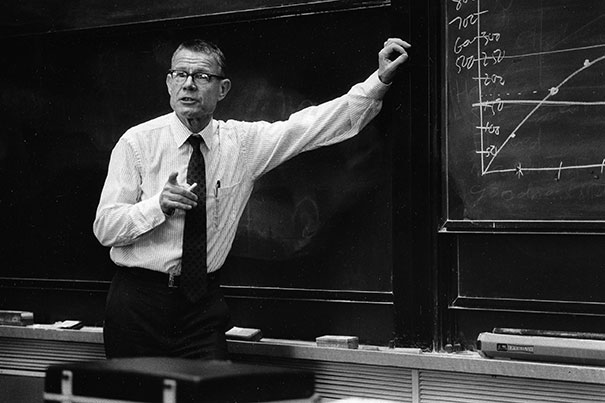
We could use “game theory” to answer these questions (see here, for example), but game theory presumes hyper-rationality, to borrow my mentor Richard Posner’s apt term. But what happens when we are dealing with a mad despot or a group of greedy owners or an avaricious labor union? In short, we also need to add culture, emotions, and psychology into the mix, and that is why the best work in this area — what I like to call “the psychology of games” — is still this remarkable collection of illuminating essays from the 1950s a/k/a “The Strategy of Conflict“. (The author of those essays, my intellectual hero Thomas Schelling, is pictured below.)
Why aren’t we giving Ukraine the fighter jets she needs to defend herself? If this report is true (see excerpt below), all I can say is that Pentagon officials are abandoning Ukraine, our supposed ally, the same way they botched our disgraceful 2021 withdrawal from Afghanistan and the same way they bungled the 1961 Bay of Pigs invasion (for more details about the latter failure, see here).
“[Zelensky] also urgently requested allies to resolve a logistical problem to move fighter jets from Poland into Ukraine. The Polish military offered its Russian-made MiG-29 fighter jets to the Ukrainian Air Force by way of a U.S. base in Germany, but the Pentagon nixed the idea, saying it would put NATO directly into combat with Russia. ‘It is simply not clear to us that there is a substantive rationale for it’, Pentagon spokesman John Kirby said of Poland’s proposal. ‘We will continue to consult with Poland and our other NATO allies about this issue and the difficult logistical challenges it presents, but we do not believe Poland’s proposal is a tenable one’.”
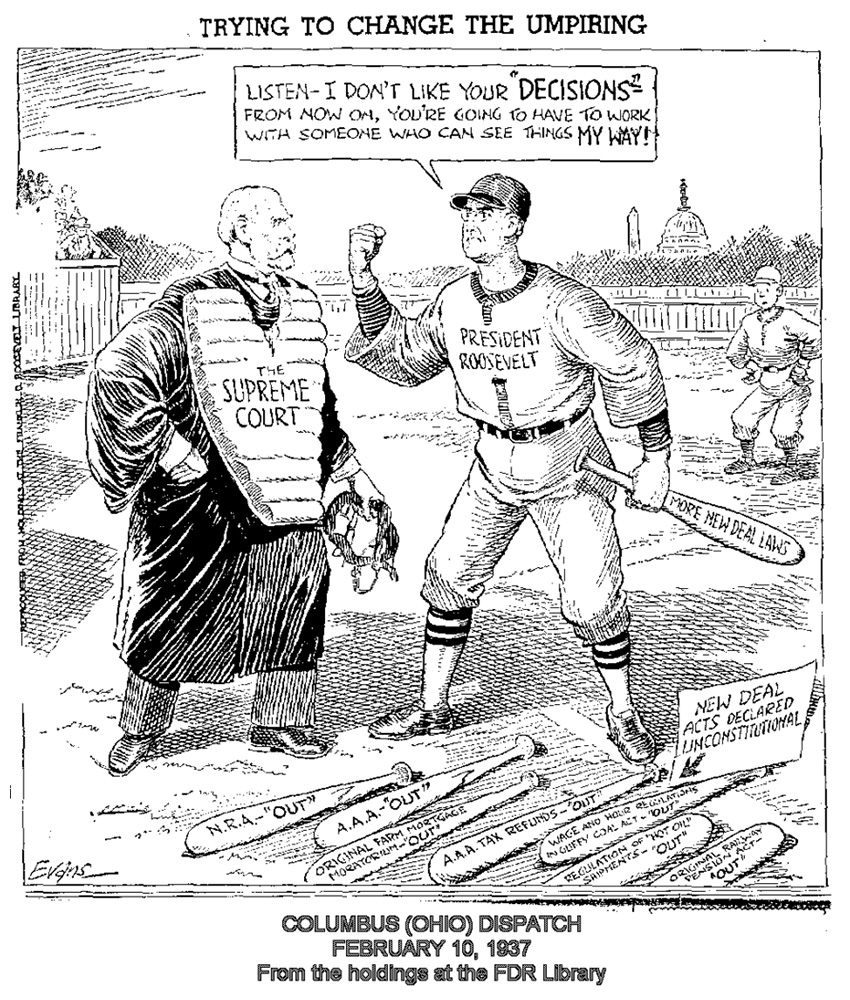
… plus c’est la même chose. (“The more things change, the more they stay the same.”) Eighty-five years ago today (9 March 1937), President Franklin Delano Roosevelt delivered one of his famous “fireside chats” via radio–the one in which FDR defends his then-unpopular and ill-fated “court-packing” plan. For your reference, here is the original audio recording of FDR’s court-packing chat, or if you prefer, here is the full text. Hat tip: Josh Blackman. PS: While we’re on the subject, see also this short but excellent paper titled “Court Packing Is a Chimera” by my colleague and friend Brian L. Frye.
Check out this 2006 blog post by Paul Burgess, which explains the rules of a chess variant called singularity chess (hat tip: @pickover). Reverend Burgess, an ordained Presbyterian minister in rural Iowa, had originally discovered this variant when he was a graduate student at the University of Wisconsin-Madison in the late 1970s/early 1980s. Below the fold are some photographic and literary excerpts from Burgess’s beautiful post:
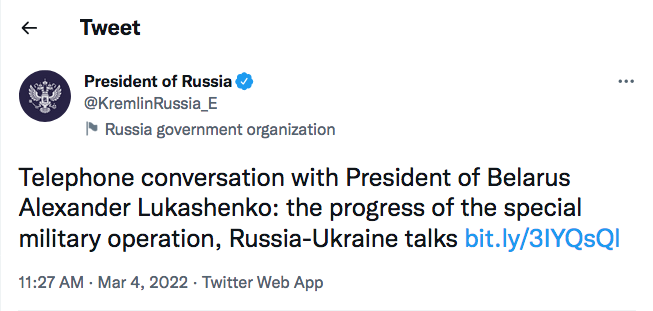
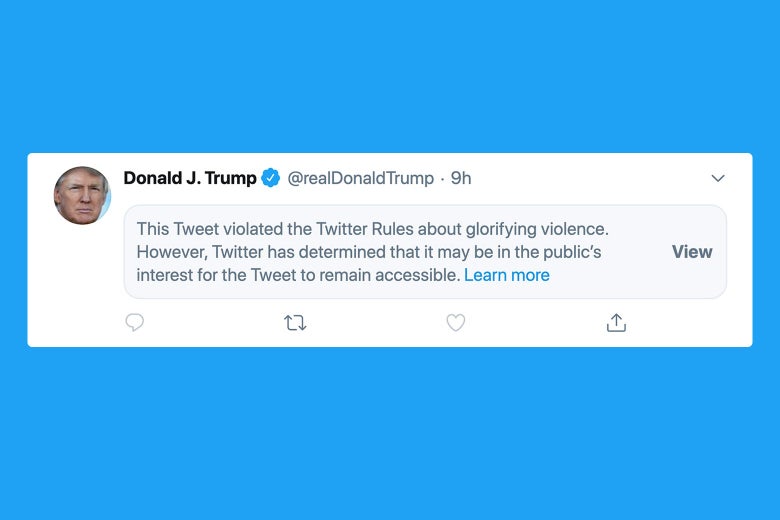
Remember when Twitter would slap warning labels on Donald Trump’s tweets? (If not, does this refresh your memory?) Not only has Twitter failed to ban war criminals like Putin from its platform; it is also allowing the Kremlin’s account to spread fake news with impunity — not a single “misleading information” or “glorification of violence” warning label in sight! Behold:
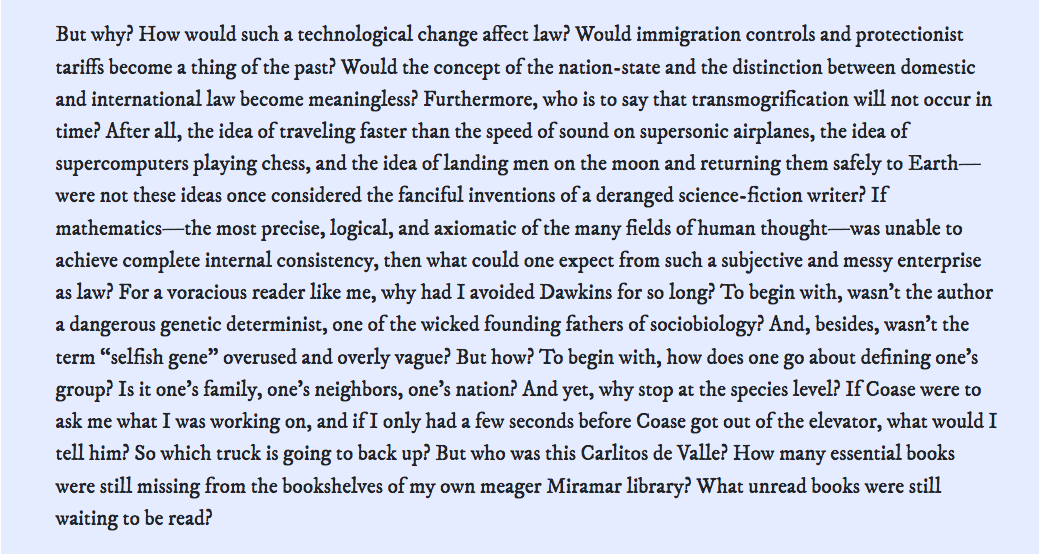
Following up on my previous post, which I am reblogging below, I put the first two parts of my three-part “intellectual autobiography” into Clive Thompson’s “only the questions” online tool, and this is what I got back — click on each image to pull up a larger version:
The panel on the left side contains the questions from part 1 of my “intellectual autobiography” (IA), which covers the first ten years of my teaching career (1998 to 2008), while the right side contains the questions from part 2 of my IA, which recounts the years 2009 to 2019.
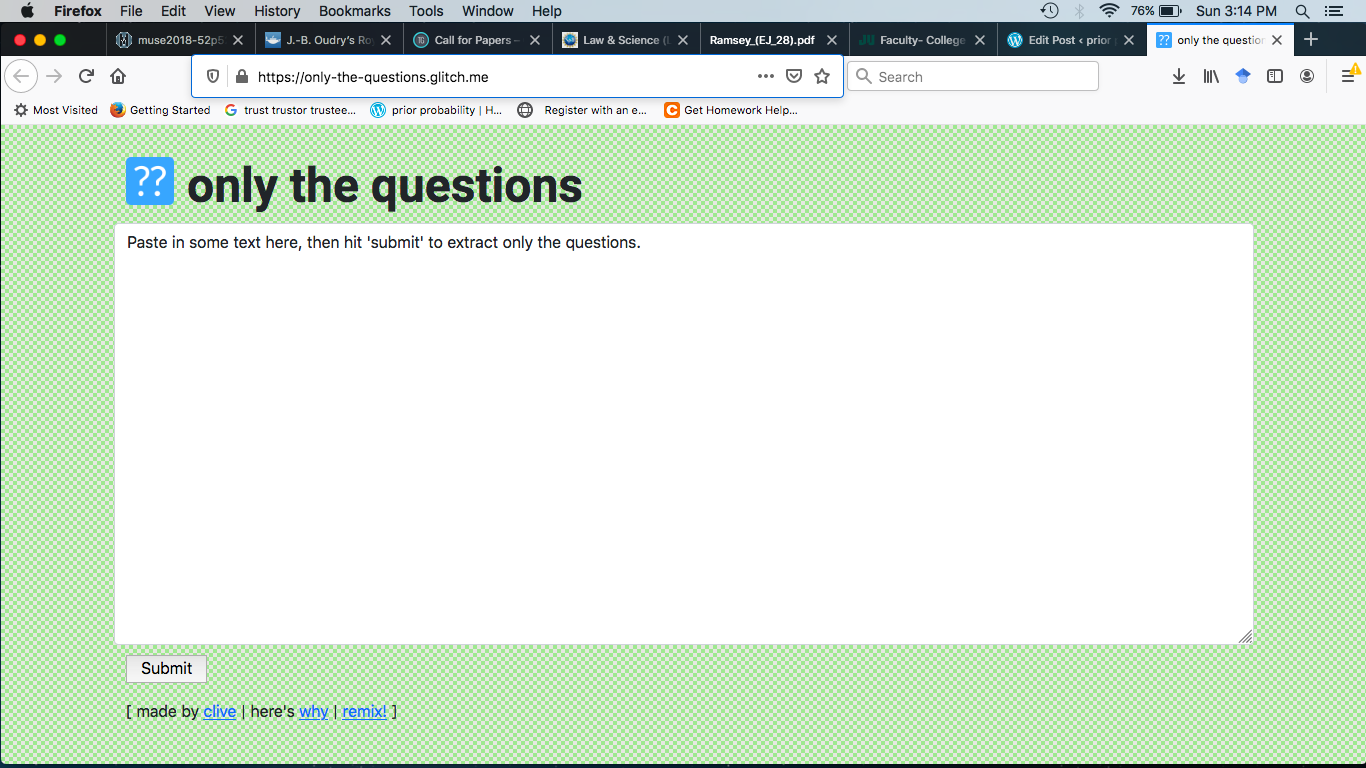
That is the name of this simple and elegant online tool (pictured below) created by Clive Thompson, a tech journalist, author, and developer of another similar web tool called “just the punctuation” that I blogged about last year (see here).
To the point, Thompson’s new “only the questions” tool allows you to delete all the regular declarative statements and exclamatory sentences from a text, leaving only those sentences or phrases consisting of questions. FYI, here is an extended excerpt from his essay “The power of seeing only the questions in a piece of writing” (ellipsis in the original):
When we’re writing, why do we ask questions? Sometimes they’re rhetorical, like the one I just asked now. They’re a literary signpost, a little trick for ushering the reader along: Great question, glad you asked, let me answer that one! Other times the questions are truly…
That is the name of this simple and elegant online tool (pictured below) created by Clive Thompson, a tech journalist, author, and developer of another similar web tool called “just the punctuation” that I blogged about last year (see here).
To the point, Thompson’s new “only the questions” tool allows you to delete all the regular declarative statements and exclamatory sentences from a text, leaving only those sentences or phrases consisting of questions. FYI, here is an extended excerpt from his essay “The power of seeing only the questions in a piece of writing” (ellipsis in the original):
When we’re writing, why do we ask questions? Sometimes they’re rhetorical, like the one I just asked now. They’re a literary signpost, a little trick for ushering the reader along: Great question, glad you asked, let me answer that one! Other times the questions are truly … questions. They come from the moments where we’re genuinely humble, and have arrived at the limits of our knowledge. We’re just thinking out loud, and, ideally, trying to find a really good question, one that frames our ignorance in a productive fashion. Many thinkers — from Socrates to my personal fave literary scholar Northrop Frye — argued that the acme of intellectual life wasn’t in knowing stuff but devising the truly puzzling, awe-inspiring questions that echo in the mind for years.
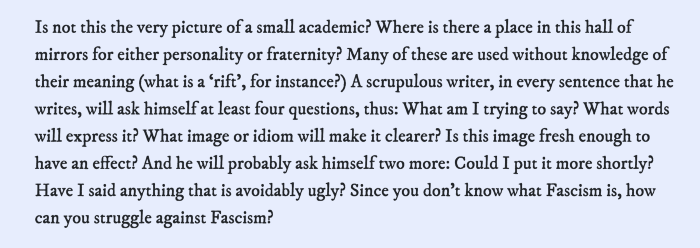
By way of example, when Thompson put in all of George Orwell’s essay “Politics and the English Language”, he got back this:
Postscript: Regarding your data privacy, Thompson adds (link in the original): “Whatever text you type into the tool isn’t saved or stored anywhere. You can check out the code on Glitch if you want to be sure, and remix it and reuse it yourself if you want.” For my part, I am going to try out Clive Thompson’s new “only the questions” tool on my own work and report my results in the next day or two.
Via Kottke: “Maria Prymachenko is one of Ukraine’s best-known artists. Known for her colorful, expressive, and ‘primitive’ style, Prymachenko won a gold medal for her work at the 1937 World’s Fair in Paris and Pablo Picasso is said to have remarked ‘I bow down before the artistic miracle of this brilliant Ukrainian’ after seeing her work. Prymachenko’s paintings featured animals (both real & fantastical), everyday Ukrainian people, food & agriculture, and themes of war & peace.”















 prior probability