
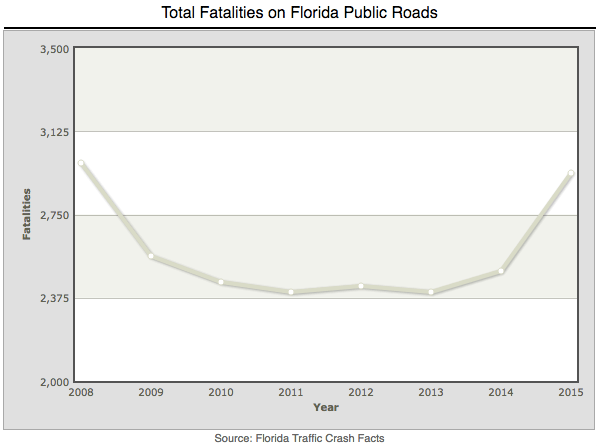
FYI: Florida roads and highways are far more dangerous than Florida schools.
FYI: Florida roads and highways are far more dangerous than Florida schools.
(Hat tip: Alfred L. Brophy, via The Faculty Lounge.)
 How many divisions do the pacifists have? Still, I guess it was worth a try. Hat tip: @pickover.
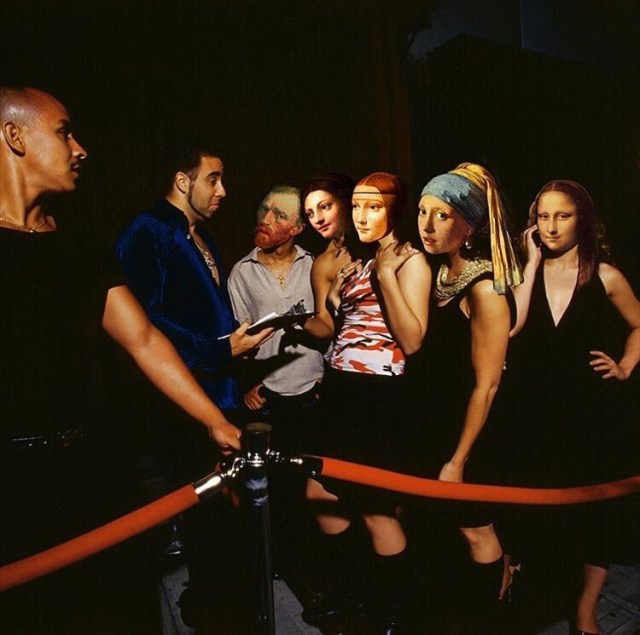 Caption: “We’re on the list!” The creative collage pictured above is by the artist Dan Cretu. We discovered the amazing Mr Cretu via kottke.org; you can check out more of his whimsical works here, via Instagram. (Happy Valentine’s Day, Sydjia.)
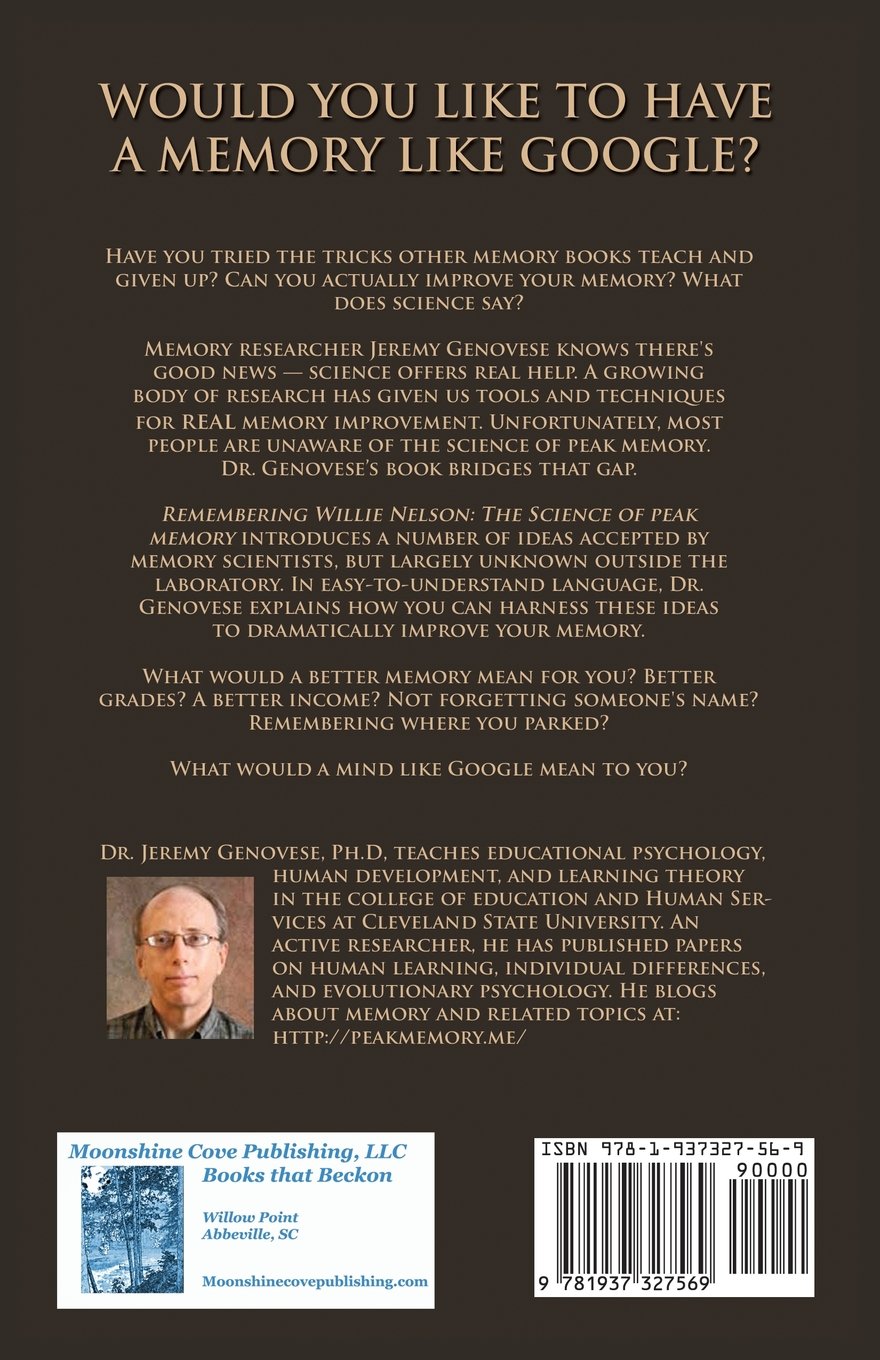
Do people have a finite amount of memory in their brains, or is it actually possible to expand and improve one’s memory through mental exercises and other methods? My friend and colleague Jeremy E.C. Genovese–a professor of human development and educational psychology at Cleveland State University and the author of Remembering Willie Nelson: The Science of Peak Memory (2014), the front and back of which are pictured below–has devoted a large part of his professional career to these fundamental questions and has blogged about many aspects of the science of memory. (Check out his eclectic blog Peak Memory here.) Alas, he recently announced that he will be taking a break from blogging to pursue other scholarly projects. Although we’re going to miss his daily musings on his old blog, we can’t wait to see what he has in store for us next!

What is your favorite Olympic mascot of all time? Shaker Samman, an intern at The Ringer, offers for our edification this entertaining “definitive ranking” of every Olympic mascot since 1968. (Hat tip: digg.) By the way, Mr Samman is not the first to play this game. Check out some of these additional 178,000 links here (via Google).
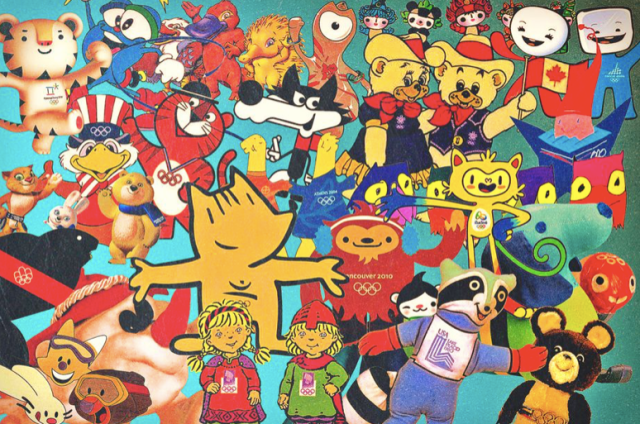
Credit: The Ringer
As I mentioned in a previous post, I began teaching law in the summer of 1998 — 20 years ago! — but this is the first time that I am not giving lectures. Instead, I created a business law game called “Hacking Harvard”, assigned well-defined roles to my undergraduate students, and let them debate the law and ethics of a clandestine (and possibly illegal) website called Facemash that went viral at Harvard in the fall of 2003. (Facemash allowed users to rank the “hotness” of Harvard students, and the events leading up to the Facemash fiasco are depicted in the 2010 movie “The Social Network”; a recreation of the website is pictured below.) One group of students was assigned the role of the Harvard Undergraduate Council (UC), and they called to order an emergency meeting to debate the Facemash controversy during yesterday’s class session. In addition, they themselves were the ones who presided over the class! I must confess that I was totally nervous about how this role-play experiment would turn out. In fact, I could not sleep the night before yesterday’s class. But all my fears were unfounded. Not only did the presiding officers do an excellent job of conducting the emergency meeting; the students who were assigned to the anti-hacker and pro-hacker groups made their points very eloquently and effectively. They got into their roles, did their research, and supported their arguments with facts and law. Let’s take Sunday off, but I will be blogging more about my Facemash game in the days ahead …
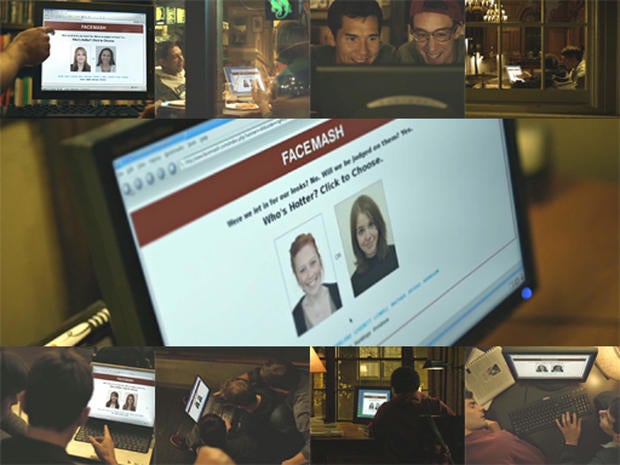
Image credit: Columbia Pictures
 |
 |
 |
Chris McVeigh is the creator of these custom Lego sets. (Check out his website here to see more of his creations. Hat tip: @kottke.)
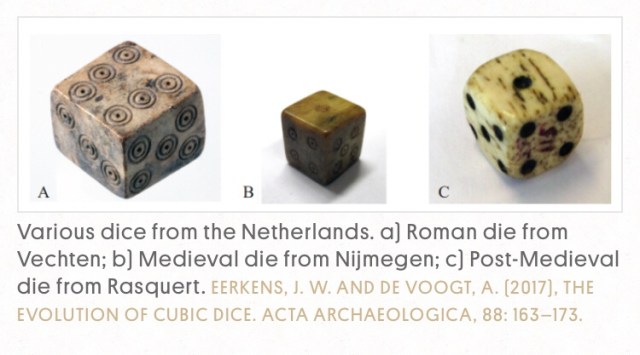
According to this report, Jelmer Eerkens (UC Davis) and Alex de Voogt (American Museum of Natural History) assembled and analyzed a set of 110 carefully dated, cube-shaped dice and made the following main findings (their full paper is available here):
• Dice made before 400, or in Roman times, are highly variable in shape, size, material and configuration of numbers.
• Dice are very rare between 400 and 1100, corresponding to the Dark Ages.
• When dice reappear around 1100 they are predominantly in the “primes” configuration, where opposite numbers tally to prime numbers (1-2; 3-4; 5-6), a numbering style that was also popular in ancient Mesopotamia and Egypt. Early medieval dice also tend to be quite small relative to their Roman predecessors.
• Around 1450 the numbering system quickly changed to “sevens” where opposite sides add up to seven (6-1; 5-2; 3-4). Dice also became highly standardized in shape, and also were made larger again.

Credit: Taha Yasseri (via Twitter)










Welcome to the online home of the IASS
Hopefully It’s Interesting.
In Conversation with Legal and Moral Philosophers
Relitigating Our Favorite Disputes
PhD, Jagiellonian University
Inquiry and opinion
Life is all about being curious, asking questions, and discovering your passion. And it can be fun!
Books, papers, and other jurisprudential things
Ramblings of a retiree in France
BY GRACE THROUGH FAITH
Natalia's space
hoping we know we're living the dream
Lover of math. Bad at drawing.
We hike, bike, and discover Central Florida and beyond
Making it big in business after age 40
Reasoning about reasoning, mathematically.
I don't mean to sound critical, but I am; so that's how it comes across
remember the good old days...
"Let me live, love and say it well in good sentences." - Sylvia Plath
a personal view of the theory of computation
Submitted For Your Perusal is a weblog wherein Matt Thomas shares and writes about things he thinks are interesting.
Logic at Columbia University
Just like the Thesis Whisperer - but with more money
the sky is no longer the limit
Technology, Culture, and Ethics
Just like the horse whisperer - but with more pages
Poetry, Other Words, and Cats

 prior probability