Next is Order #143, which is dated __ December 1784 (alas, the day is cut off) and is signed by Basil Cochrane (top signature), Adam Smith (middle), and James Edgar (bottom). This order deals with a local custom officer’s statutory reward or bounty for the confiscation of 30 kegs of smuggled beer:
“We have received your Letter of the 27th of November last, inclosing a Return of Seizure by Mr. Robert Anderson Land Surveyor for 30 Kegs Spruce Beer — and if it is to be understood from what is stated in the Return that the Cellar in which the Goods were seized was in the Possession of Baillie William Inglis, then the Officer is entitled to a Moiety, but if the meaning does not amount to this, then he will be entitled only to a Third; — as to which doubt We direct you to report precisely to Us.”
In brief, a customs officer, the land surveyor Robert Anderson, had confiscated 30 kegs of “Spruce Beer” [1]; as such, he is entitled to a share of the reward when the contraband is put up for sale at public auction. The problem, however, is that the size of Anderson’s share will depend on whether the confiscated kegs of beer were abandoned or unclaimed at the time when it was seized. [2]
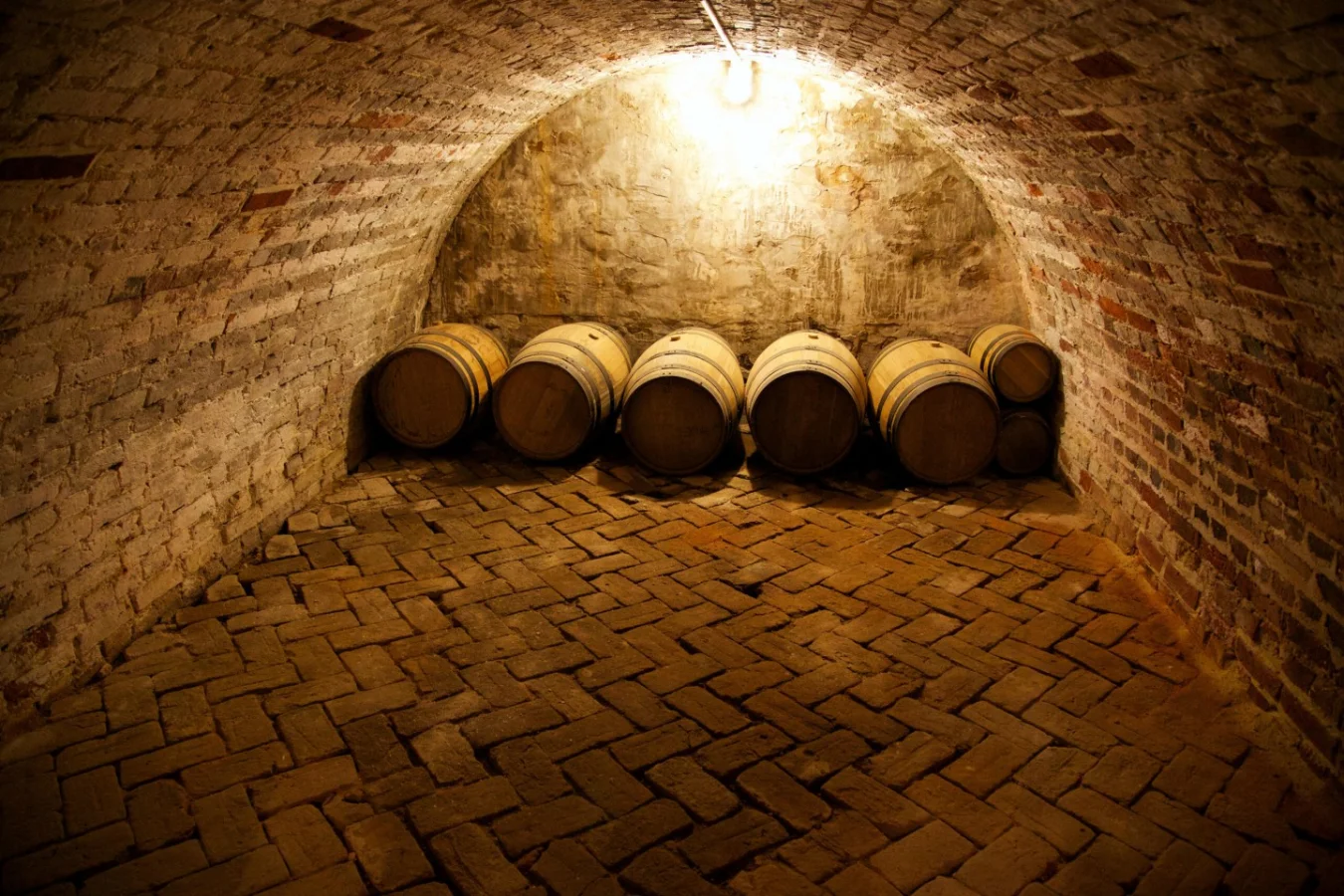
Correspondence from the principal outport officers at Inverness (i.e. the letter the board is responding to in this case) includes Anderson’s “Return of Seizure” or official incident report, and according to his report, he had confiscated the contraband kegs in the cellar of one Baillie William Inglis. But there is an ambiguity in Anderson’s incident report. Who was Baillie William Inglis (the owner of the cellar), and what was his role in this case? Did the kegs belong to him, or were they hidden in his cellar by some third party, or did Anderson himself place the kegs there? (On this third possibility, recall one of the board’s previous orders, Order #132 from November 1784, in which Anderson was declared “incorrigible and unfit to be trusted any longer in the Revenue” and dismissed from the customs service.)
In short, was Ingliss a smuggler, an accomplice to a smuggler, or an innocent third party? The Commissioners of the Board of Customs thus want more information about circumstances surrounding this seizure before ratifying Anderson’s payout, especially given his prior bad acts. The board therefore orders Anderson’s supervisors (the Collector and Comptroller at Inverness to whom this order is addressed) to investigate this seizure further and report back their findings.
[1] According to Wikipedia, spruce beer “is a unique beverage flavored with the buds, needles, or essence of spruce trees.”
[2] See Customs Act 1763 (3 Geo. 3 c. 22), available here or here. Among other things, this statute established that the proceeds from public sales of condemned contraband were to be divided into “moieties” or halves—one moiety to the Crown; the other to the seizing officer. But the seizing officer’s statutory payout was reduced to one-third if the contraband was unclaimed or abandoned.