Update (3/11): I woke up to some good news this morning: the Major League Baseball dispute referred to below has now been resolved. (I will blog more about MLB in the next day or two.)
How many more regular-season games will the Commissioner of Major League Baseball cancel, and which side in this dispute will cave in first, the team owners or the players’ union?
More generally, how can we tell when a particular threat is genuine or fake?
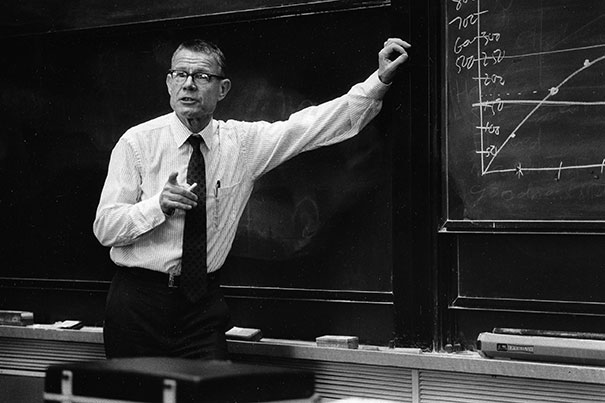
We could use “game theory” to answer these questions (see here, for example), but game theory presumes hyper-rationality, to borrow my mentor Richard Posner’s apt term. But what happens when we are dealing with a mad despot or a group of greedy owners or an avaricious labor union? In short, we also need to add culture, emotions, and psychology into the mix, and that is why the best work in this area — what I like to call “the psychology of games” — is still this remarkable collection of illuminating essays from the 1950s a/k/a “The Strategy of Conflict“. (The author of those essays, my intellectual hero Thomas Schelling, is pictured below.)
Why aren’t we giving Ukraine the fighter jets she needs to defend herself? If this report is true (see excerpt below), all I can say is that Pentagon officials are abandoning Ukraine, our supposed ally, the same way they botched our disgraceful 2021 withdrawal from Afghanistan and the same way they bungled the 1961 Bay of Pigs invasion (for more details about the latter failure, see here).
“[Zelensky] also urgently requested allies to resolve a logistical problem to move fighter jets from Poland into Ukraine. The Polish military offered its Russian-made MiG-29 fighter jets to the Ukrainian Air Force by way of a U.S. base in Germany, but the Pentagon nixed the idea, saying it would put NATO directly into combat with Russia. ‘It is simply not clear to us that there is a substantive rationale for it’, Pentagon spokesman John Kirby said of Poland’s proposal. ‘We will continue to consult with Poland and our other NATO allies about this issue and the difficult logistical challenges it presents, but we do not believe Poland’s proposal is a tenable one’.”
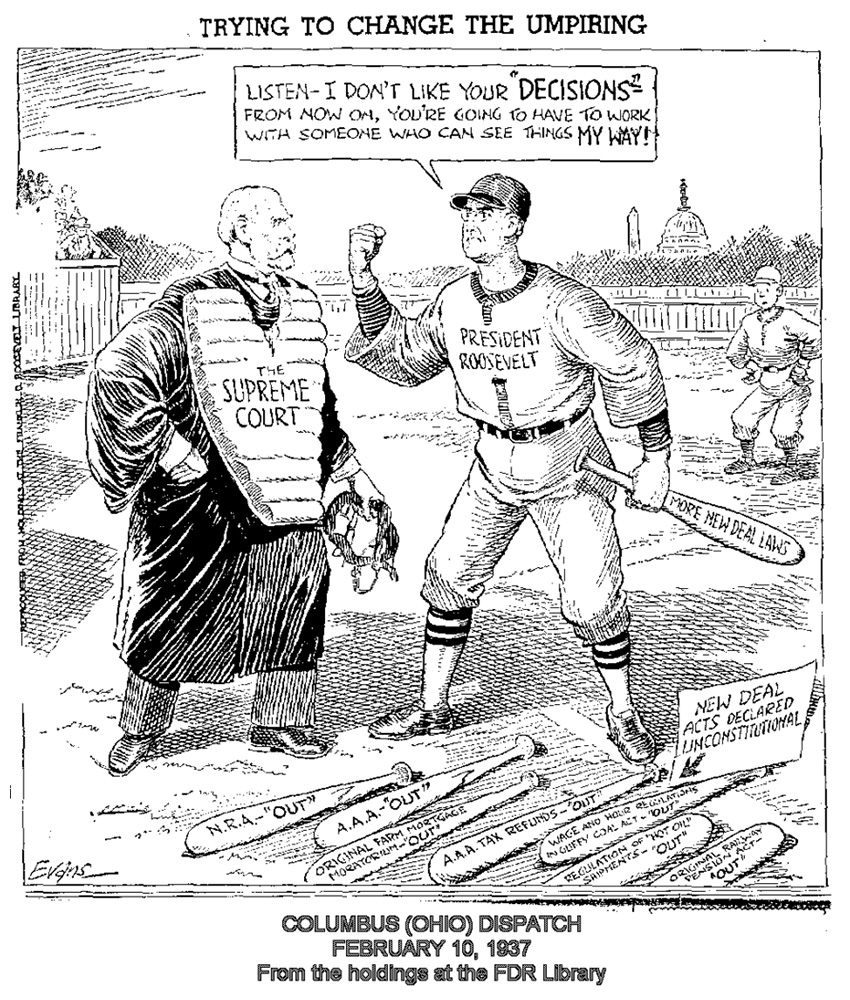
… plus c’est la même chose. (“The more things change, the more they stay the same.”) Eighty-five years ago today (9 March 1937), President Franklin Delano Roosevelt delivered one of his famous “fireside chats” via radio–the one in which FDR defends his then-unpopular and ill-fated “court-packing” plan. For your reference, here is the original audio recording of FDR’s court-packing chat, or if you prefer, here is the full text. Hat tip: Josh Blackman. PS: While we’re on the subject, see also this short but excellent paper titled “Court Packing Is a Chimera” by my colleague and friend Brian L. Frye.
Check out this 2006 blog post by Paul Burgess, which explains the rules of a chess variant called singularity chess (hat tip: @pickover). Reverend Burgess, an ordained Presbyterian minister in rural Iowa, had originally discovered this variant when he was a graduate student at the University of Wisconsin-Madison in the late 1970s/early 1980s. Below the fold are some photographic and literary excerpts from Burgess’s beautiful post:












 prior probability