If Jack Balkin were King of the Internet …

This is post #10 of a multi-part series.
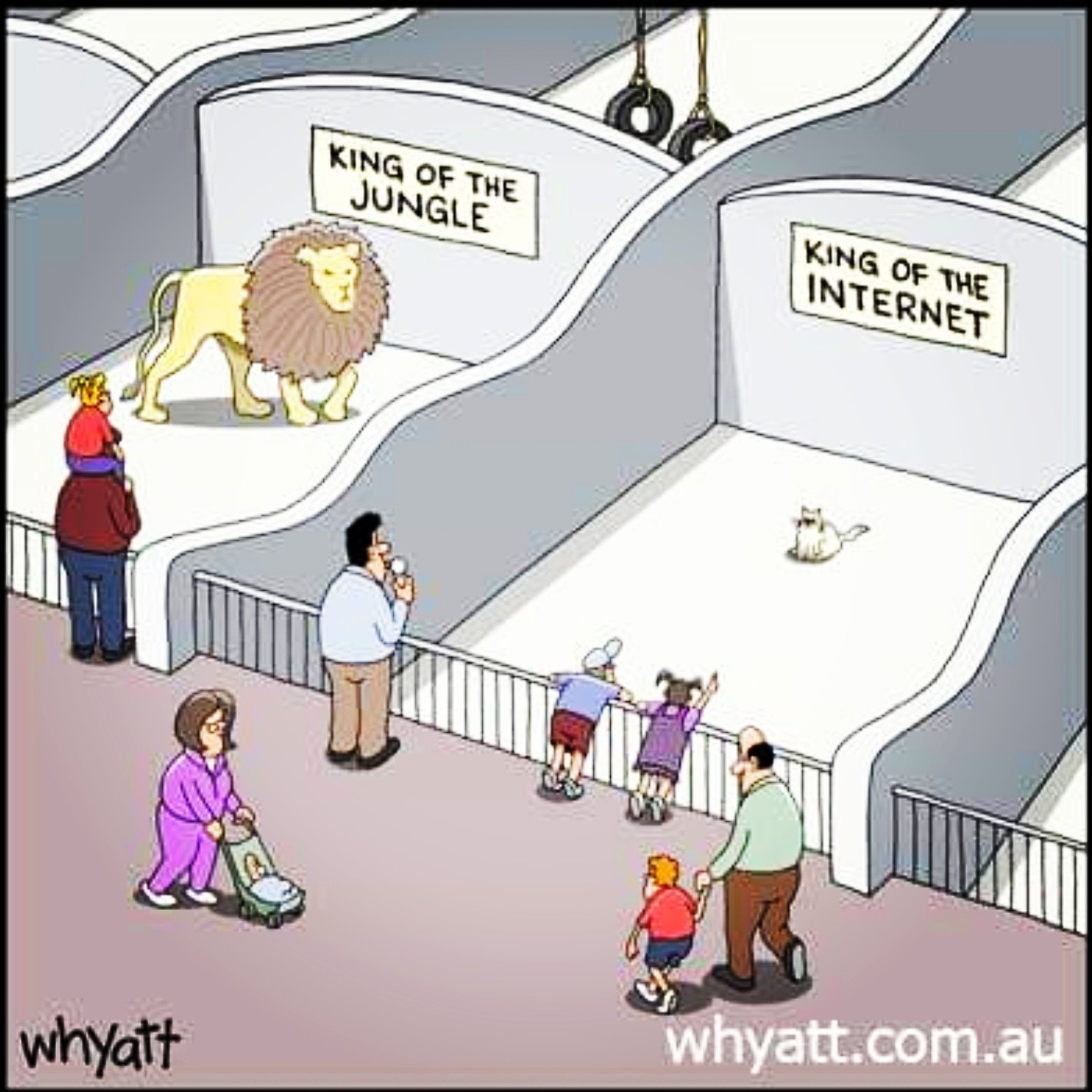
Pim Martens on Twitter: "King of the internet #Cat #whyattcartoons… "

Yale Professor Jack Balkin concludes his social media regulation paper (available here) with three specific “policy levers”:

  1. Antitrust law and regulation (pp. 91-92)
  2. Fiduciary law (pp. 92-93)
  3. Legal liability rules (i.e. “intermediary liability”) (pp. 93-96)

Let’s take a look at Prof Balkin’s first policy lever: antitrust. In summary, if Balkin were King of the Internet, the first thing he would do is re-write antitrust law in order to break up Facebook or Google into smaller companies. Specifically, he would separate Facebook and Google’s advertising and social media functions into two separate companies: one devoted to just selling ads; the other, to operating the social media or search engine services, as the case may be.

Notice, however, how lame and foolish this particular proposal is. Not only would Balkin’s proposal increase Big Tech’s costs of doing business, making everyone worse off in the process; Balkin’s antitrust proposal is also foolish to boot because it would end up making the problem he is trying to solve much worse. Why? Because a separate Facebook or Google advertising business would still be big and powerful and might even end up cornering not just Facebook’s or Google’s market for ads, but rather the entire Internet market for ads!

What about Balkin’s second policy lever, fiduciary law? This is an area of law with a rich and long history–one that goes back to ancient Rome. In brief, the common law imposes long-standing and judicially-enforced duties on fiduciaries, i.e. persons like financial advisors, accountants, and lawyers — individuals who are in a special relationship of trust with their clients. Among these fiduciary duties are the duty of loyalty, the duty of honesty, and the duty to avoid self-dealing.

So if Balkin were King of the Internet, he would designate social media companies as “information fiduciaries” and impose legally-defined fiduciary duties them. Currently, social media firms get to decide for themselves what duties, if any, they owe to their users because their legal duties are largely whatever they agree to in their own contracts (“terms of service”) with their users. The problem, of course, is that these contracts are one-sided, since they are written by their own lawyers. Under the fiduciary model described above, by contrast, social media firms would have to live up to much a higher legal standard.

Because of its Roman law pedigree, the fiduciary model looks attractive on paper. But it would probably produce a costly disaster in practice. To the point, the main problem with Balkin’s fiduciary model is that it would literally open up the floodgates of litigation. Simply put, end users would be able to allege a breach of fiduciary duty whenever they disagreed with any content moderation decision made by a social media company. Maybe that is a good thing. Maybe content moderation decisions should be subject to judicial scrutiny. But I doubt it. Do we really want courts making these kinds of decisions? Do we really want judges running social media companies? Either way, litigation would be a time-consuming and expensive way of resolving these kinds of questions.

What about Prof Balkin’s third and last policy lever, legal liability? Alas, that proposal is vulnerable to some of the same objections I raised in my previous paragraph. Nevertheless, I will conclude this series on Monday by further exploring the possibility of social media liability …

Posted in Uncategorized | 2 Comments

Hacking and Sources of Law

I will resume my analysis of Jack Balkin’s social media regulation paper in my next post; in the meantime, check out my most recent lecture on the now-infamous Face-Mash Incident, which occurred in the fall of 2003 when college sophomore Mark Zuckerberg hacked the computer databases of Harvard College and launched a controversial but popular website called “Face-Mash”. Although Face-Mash was short-lived (it was taken down after a few hours), the website literally went viral at a time when there were no iPhones, no Twitter, no YouTube. But was Face-Mash a crime, a civil wrong, a moral lapse, or just a harmless prank? In this lecture, I will address this question by surveying the main sources of law that apply to computer hacking.

Posted in Uncategorized | Leave a comment

Was Adam Smith in Love?

Check out this unorthodox and informal discussion between myself and the excellent Lipton Matthews (@MatthewsLipton), who invited me to participate in his podcast series to discuss my paper, “Adam Smith in Love.” (Matthews’ entire podcast series is available here. Added bonus: My new friend and fellow classical liberal is from Jamaica, where my wife is also from!)

Posted in Uncategorized | 3 Comments

My most recent “brief idea”

I just discovered that my micro-paper “Betting on Conspiracies?” was published in the Journal of Brief Ideas (JOBI) on September 12, 2021. (I had submitted my brief idea back in mid-July, but a notification email from JOBI got caught in my spam filter.) Here is a link; below, a screenshot:

Posted in Uncategorized | 2 Comments

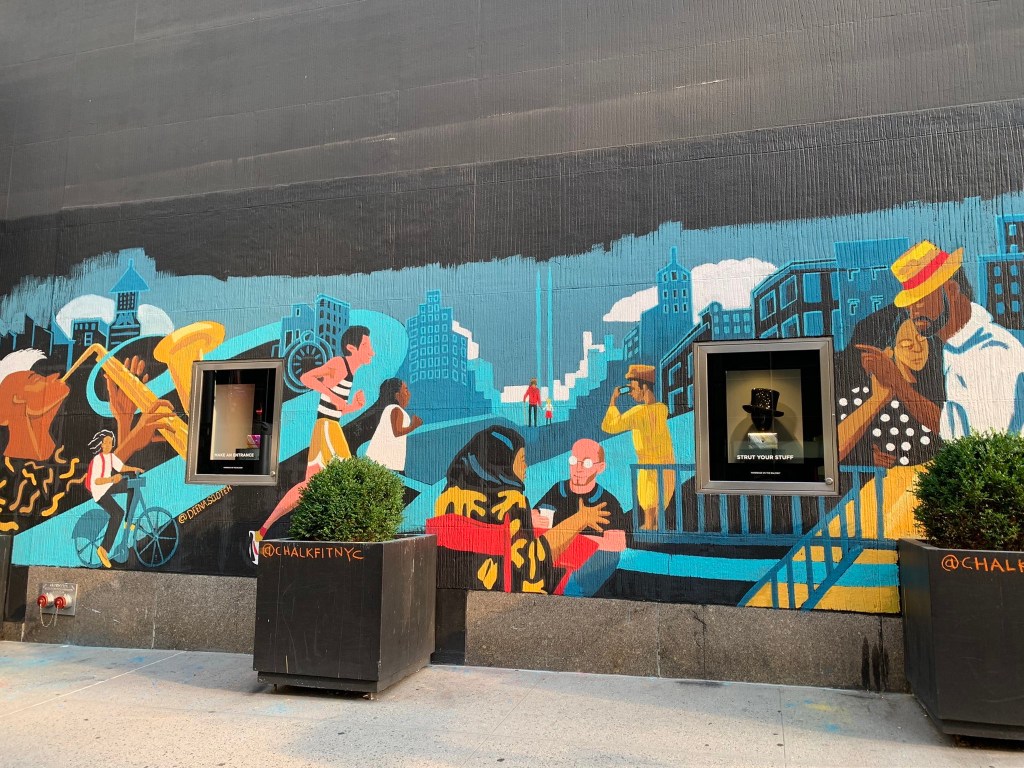
Chalk Art

Hat tip: @RBratspies
Posted in Uncategorized | Leave a comment

The Facebook apology cycle

This is post #9 of a multi-part series.

The penultimate part of Professor Jack Balkin’s paper “How to regulate … social media” contains my favorite quote about Facebook (Part 8, pp. 88-89, footnote omitted): “Facebook’s history as a company has been a cycle of engaging in bad behavior, getting caught, apologizing profusely and promising to mend its ways, followed by the company engaging in slightly different bad behavior, offering new apologies and promises of reform and so on.” (For further evidence of this apology cycle, check out this chronological compilation of Mark Zuckerberg’s insincere apologies over the years. This comprehensive compilation by Gregory Fowler and Chiqui Esteban, which is titled “14 years of Mark Zuckerberg saying sorry, not sorry,” traces this apology cycle as far back to Zuckerberg’s creation of an illegal website called Face Mash back in the fall of 2003 — a website that was memorably depicted in the 2010 movie “The Social Network.”)

After citing the work of Shoshana Zuboff, Professor Balkin then goes on to make the following remarkable claim (p. 89): “Facebook will keep misbehaving and it will keep apologizing, not because it is incompetent or clumsy, but because of the fundamental misalignment between its goals and the public’s needs, and because it has an inherent conflict of interest with its end users and … with democracy itself.” Really? Just because you say something doesn’t make it true. To the point, what is the evidence that Facebook has an “inherent conflict of interest” with “democracy”. What does that even mean? Maybe Facebook is just incompetent or clumsy.

For my part, I suspect that the true purpose of Prof Balkin’s hyperbolic rhetoric is to justify his call for regulation of social media. Indeed, Balkin will make three specific regulatory proposals in the last part of his paper, Part 9, which I will review in the next day or two …

14 years of Mark Zuckerberg saying sorry, not sorry about Facebook -  Washington Post
Ok, Zoomer!
Posted in Uncategorized | 1 Comment

Happy Hispanic Heritage Month

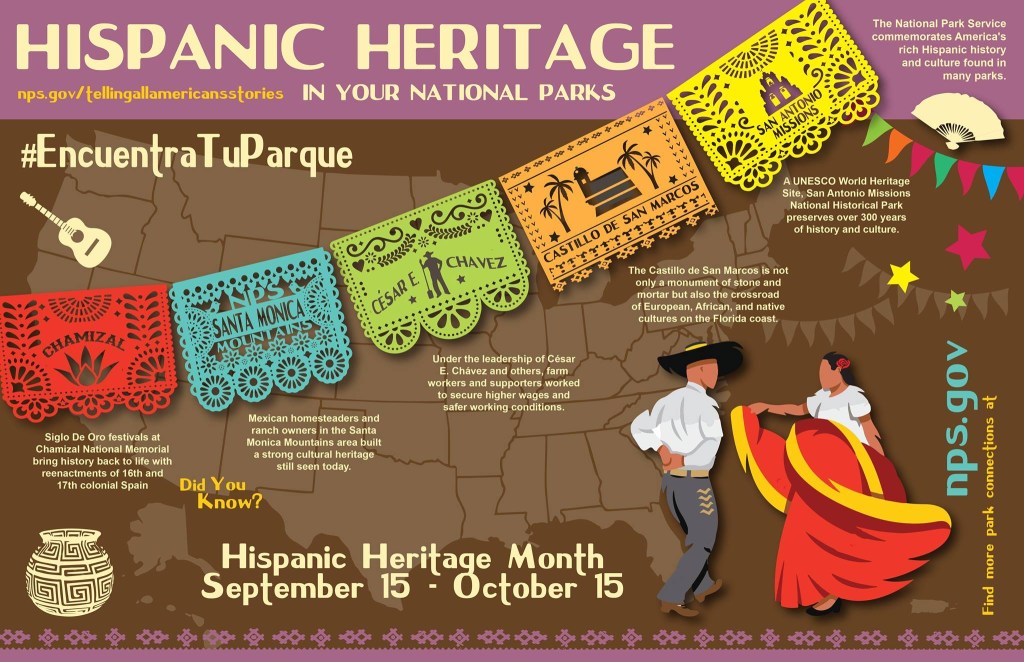
I just realized that I have not blogged about “Hispanic Heritage Month” in the eight years that I have been curating my “prior probability” blog. To help remedy this omission, I thought I would begin by sharing the poster art pictured below from the National Park Service (NPS). FYI: More details are available here, via the NPS.gov website.

Posted in Uncategorized | Leave a comment

How not to regulate social media

This is post #8 of a multi-part series.

In Part 7 of his paper “How to regulate (and not regulate) social media“, Professor Jack Balkin considers two alternatives to direct social media regulation: (1) the creation of a state-owned social media platform, and (2) turning social media and search engines into public utilities, like water and power companies. To his credit, Prof Balkin quickly rejects these two alternatives.

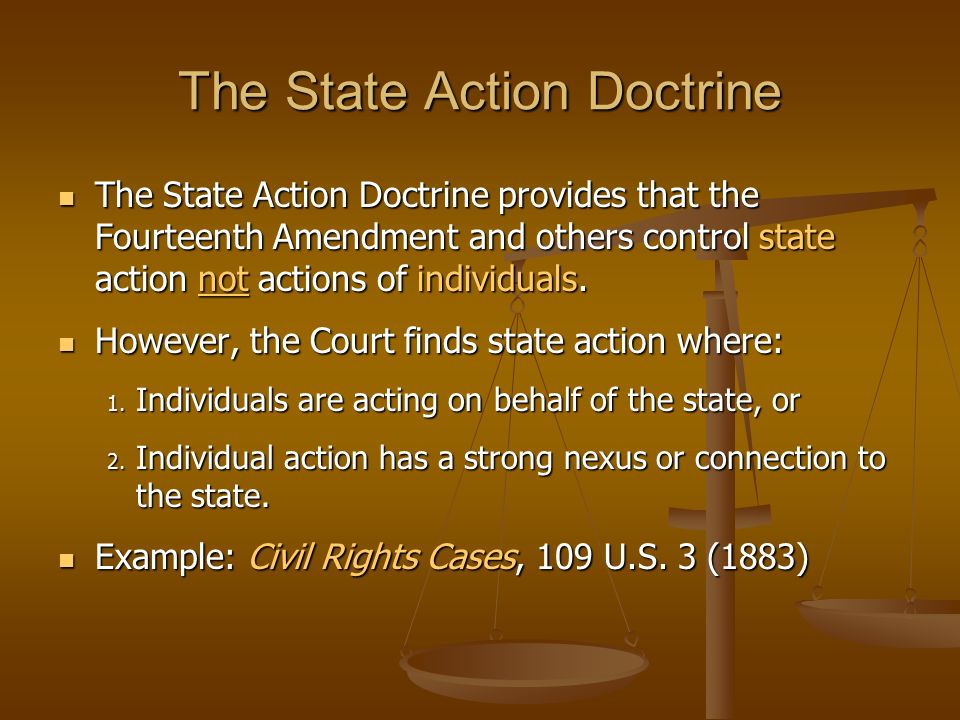
In brief, the main problem with a state-owned social media platform is that, unlike private companies like Facebook and Twitter, state actors must provide a hearing before taking any adverse action against a user, a requirement that would make content moderation costly and time-consuming. Worse yet, a state-run platform would not be able to censor hate speech, since courts have ruled that hate speech is protected speech under the First Amendment.

What about the public utility model? According to Balkin (p. 87), if social media platforms and search engines were converted into public utilities, they “would give up advertising altogether and simply provide access and content moderation services in return for a fixed monthly subscription fee.” The problem with this solution, however, is that Balkin fears that this option might have the effect of reducing the overall number of social media platforms, depending on the price elasticity of the subscription fee. Today, I can use any number of social media services for free, but if I had to pay to use a social media platform, I might cut down on my use of social media. (But would that be such a bad thing?)

For my part, I am more open to the public utility model because, in reality, social media is not “free”. In exchange for the right to post pictures and connect with “friends” on any given social media platform, the user is granting the owner of the platform the right to use the data generated by his use of the platform. Personally, I would rather pay a subscription fee and keep the rights to my data. Also, the subscription fee could be a modest one, perhaps as little $1/month, considering the large number of users many social media companies have.

Note: I will review the last two parts of Balkin’s paper (Parts 8 to 9) in my next post.

American Constitutional Law LAW ppt video online download
Credit: Derrick Joseph

Posted in Uncategorized | 1 Comment

TikTok Tuesday: how to spot hidden cameras

@malwaretech

Reply to @safarijackza How to find hidden cameras in AirBnBs #safety #travel

♬ original sound – Marcus Hutchins

Posted in Uncategorized | Leave a comment

Why did it take so long to declassify this 9/11 document?

On Friday (9/10), on the heels of our disgraceful surrender in Kabul, President Joe Biden signed an executive order directing the Department of Justice and other federal agencies to declassify documents related to the FBI’s investigation of the 9/11 terrorist attacks. Here is the first 9/11 document to be declassified. Alas, the document is still heavily redacted (what information is our government still hiding from us?), but it confirms that two of the 9/11 terrorists received material support from an unidentified official attached to the Saudi Consulate located in Los Angeles, Calif. (my hometown!). Was this Saudi official a rogue agent, or was he acting under orders of the Saudi Government? Either way, it looks like George W. Bush, a war criminal who should be hanged, ordered the invasion and military occupation of the wrong country.

Note: I will resume my review of Jack Balkin’s “How to regulate (and not regulate) social media” paper in the next day or two.

White House's release of declassified 9/11 documents may implicate Saudi  royal family - The Canary C
Posted in Uncategorized | Leave a comment