Recursive Clock

Image result for redundant-clock 2

More fun objects here (via Ji Lee).

Posted in Time, Uncategorized | Tagged | 2 Comments

Optimal sanctions (New England Patriots edition)

What is the optimal penalty for cheating in sports? Take the current controversy involving the New England Patriots, for example. While we sympathize with Michael Wilbon’s (co-host of our favorite TV show “Pardon the Interruption”) drastic position that the New England Patriots should be disqualified from playing in Super Bowl XLIX, especially given their past history of cheating, why not scrap the lame Pro Bowl and replay the game between the Patriots and the Indianapolis Colts instead?

Bill’s secret formula: Cheat, smile, and win.

Posted in Cheating, Economics, Sports | Tagged | 7 Comments

Economies of scale …

Related image

Did you know that only twelve voice actors have played over 100 cartoon characters on The Simpsons? (In the future, we wouldn’t mind seeing a graph plotting the amount of words or air time allocated to each character.)

Posted in Culture, Economics | Tagged , | 1 Comment

Compare and contrast

You may have heard the U.S. Supreme Court recently agreed to decide a set of same-sex marriage cases. (See here and here, for example. You may file this tidbit under “deciding to decide.”) Let’s compare and contrast the constitutional questions presented in these pending gay marriage cases with the original questions presented in Brown v. Board of Education, decided in 1954. Continue reading

Posted in Law | Tagged , | Leave a comment

New York City Noise Complaints

Check out this data-driven essay in The New Yorker describing the spatial and temporal distribution of noise complaints in New York City. Here is an excerpt of Ben Wellington’s excellent essay:

In New York, there are two kinds of noise: the sounds of the city (car horns, loud neighbors, construction equipment, barking dogs) and the sound of New Yorkers complaining about it. In 2007, the city modernized its noise code for the first time in thirty years, in an effort to get a better handle on the first category. Despite the changes, however, 311 logged more than a hundred and forty thousand noise-related complaints between the winter of 2013 and the fall of 2014. That works out to one complaint every four minutes, day in and day out, all year.

Here is a deeper question, however, that all these data do not address: why should New York City municipal law criminalize the production of loud noise? That is, why should the law favor silence-lovers over noise-makers? In reality, this a “reciprocal problem”: although noise-makers no doubt do disturb the peace and quiet of silence-lovers, at the same time, people who complain about noise also impose a burden on the people who produce such noise. Without more information, then, it’s not clear to us why silence should win out over noise, especially in a big and exciting city like NYC …

New York City’s most common noise complaints

Posted in Law | Tagged , , | Leave a comment

Spring 2015 Business Law reading list (honors section)

Readings. Our textbook is Richard A Epstein’s Simple Rules for a Complex World. In addition, we will read several classic legal essays this semester, including our all-time favorites “The Path of the Law” by Oliver Wendell Holmes and Federalist Paper #10 (on factions).

Law Cases. We will also study the following famous business law cases (past and present): McCulloch v. Maryland; Dodge v. Ford Motor Co.International News Service v. Associated PressKellogg Co. v. National Biscuit CompanySony v. UniversalBanco Nacional v. Sabbatino; and Facebook v. ConnectU.

Films. Lastly, we will also sit back, relax, and screen a number of movies with legal themes in order to see “the law in action,” so to speak, including The Social Network; The Insider; Hot CoffeeJudgment at Nuremberg; and various episodes of the hit TV show Entourage.

Posted in Economics, Ethics, Law | Tagged , | Leave a comment

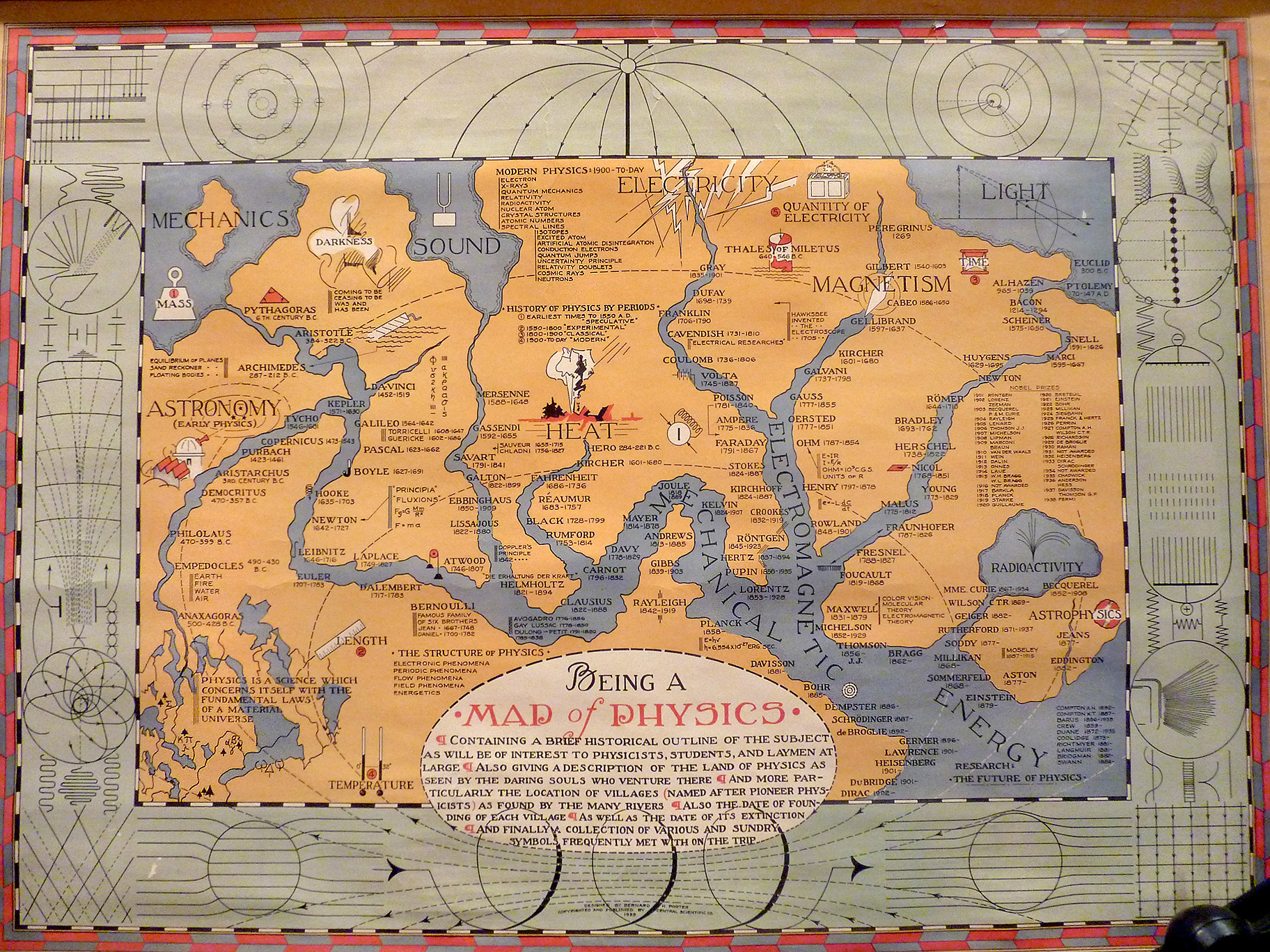
The Kingdom of Physics

Bernard H. Porter's 1939 Map of PhysicsProps to kottke for the pointer. More info about this strange map via Quantum Pontiff.

Posted in Maps, Science | Tagged | Leave a comment

“Let’s make a (marijuana) deal …”

Check out this Bloomberg Business video “Why Peter Thiel’s fund is investing in marijuana” and Andrew Ross Sorkin’s thoughtful essay in The New York Times exploring the ethics of investing in the marijuana industry. Sorkin reports that “legal marijuana businesses raised $104 million in 59 deals last year,” and he poses a sobering question, “So is cannabis socially responsible or ethically objectionable?” What do you think?

Posted in Ethics, Law | Tagged , , | Leave a comment

The geometry of airports

Posted in Maps | Tagged | Leave a comment

Is Riggs v. Palmer a “hard case”?

For many legal scholars, the paradigm or textbook example of a “hard case” in law is Riggs v. Palmer, the infamous “murdering heir” case decided in 1889 by the New York Court of Appeals. The facts of this legendary case would make tabloid and cable news headlines today: a wealthy grandfather leaves the majority of his estate in his will to his grandson. Fearing that his grandfather might revoke his will, the grandson kills his grandfather with poison. Here is the legal problem: Does the grandson still have the right to inherit his grandfather’s estate? To us, however, Riggs v. Palmer has always seemed like an easy case … Continue reading

Posted in Bayesian Reasoning, Law, Probability | Tagged , , | Leave a comment